Stainless Steel Cutlery Finishes: Mirror, Matte and Brushed Explained
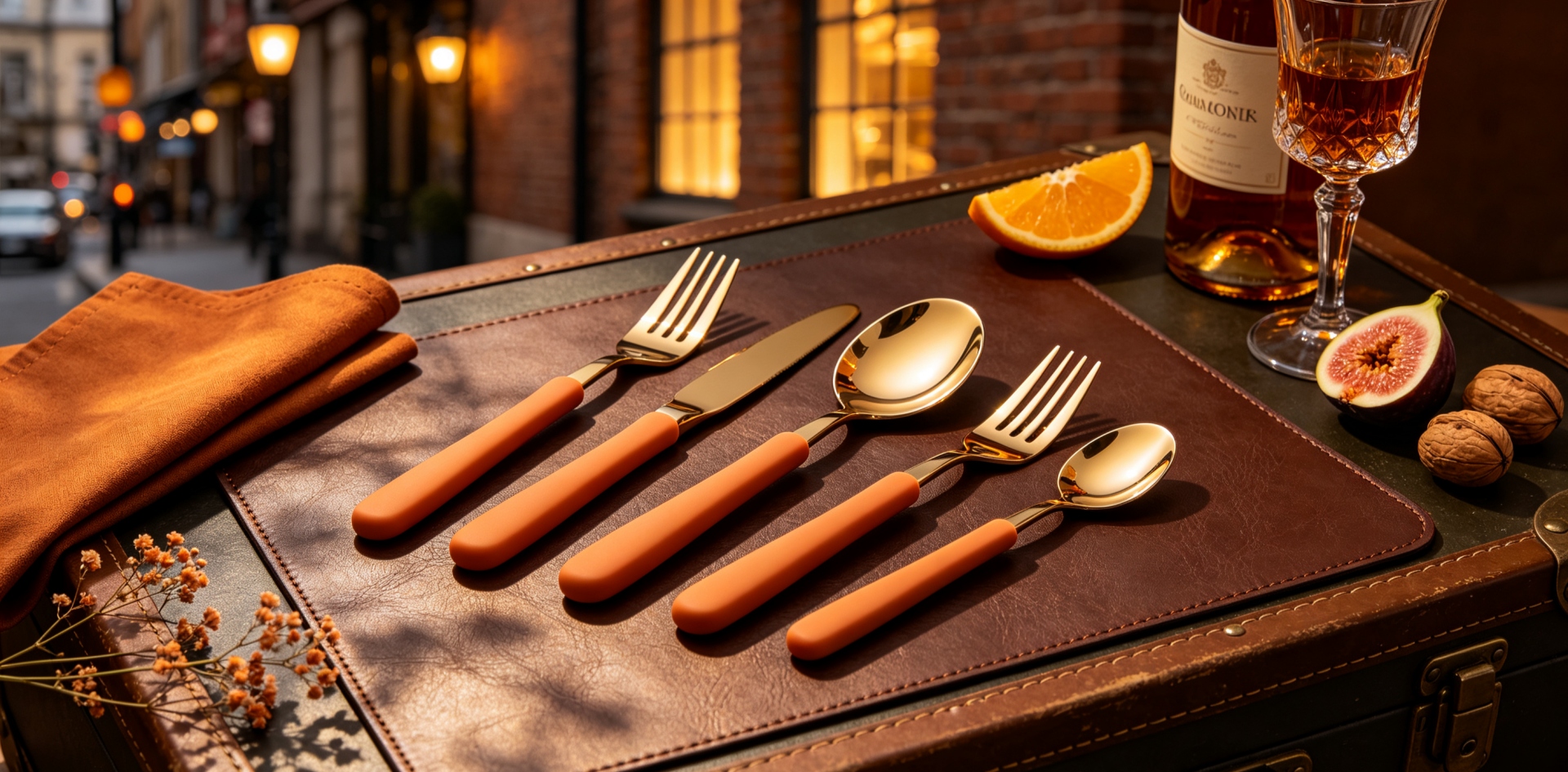
Stainless Steel Cutlery Finishes: Mirror, Matte and Brushed Explained
The surface finish of stainless steel cutlery can significantly influence the appearance, feel and market positioning of a product. Although two pieces of cutlery may use similar stainless steel material and have similar dimensions, different finishing processes can create completely different visual effects.
For wholesalers, retailers, restaurant suppliers and private label brands, understanding stainless steel cutlery finishes is important when developing or sourcing a new product collection.
The finish is not simply a decorative detail. It can influence how the product looks under different lighting conditions, how fingerprints appear on the surface, how the cutlery fits with other tableware and how the final product is positioned in the market.
This guide explains the most common stainless steel cutlery finishes and what B2B buyers should consider when selecting them.
What Is a Stainless Steel Cutlery Finish?
A cutlery finish describes the condition and appearance of the stainless steel surface after manufacturing and surface treatment.
The same basic cutlery design can have different appearances depending on the finishing process.
Common options include:
- Mirror finish
- Matte finish
- Brushed finish
- Satin finish
- Polished finish
- Decorative colored finishes
The correct choice depends on the product design and intended market.
Why Does Cutlery Finish Matter?
Surface finishing can change the visual character of a product.
For example, a highly reflective surface can create a classic and elegant appearance, while a matte surface can provide a softer contemporary look.
For B2B buyers, finish selection can affect:
- Product appearance
- Brand positioning
- Table presentation
- Design consistency
- Customer perception
- Product differentiation
This makes the finish an important specification during product development.
Mirror Finish Stainless Steel Cutlery
A mirror finish is highly polished and reflective.
It is one of the most recognizable finishes used for stainless steel flatware.
Mirror finish cutlery can provide a:
- Bright appearance
- Classic look
- Elegant presentation
- Smooth visual surface
This finish is commonly associated with traditional and premium tableware designs.
Advantages of Mirror Finish Cutlery
A mirror surface can work well for products that need a polished appearance.
Potential advantages include:
- Strong visual appeal
- Classic styling
- Easy coordination with different tableware
- Suitable for formal table settings
- Premium visual positioning
Mirror finishing can be especially attractive when combined with clean and simple cutlery shapes.
Matte Stainless Steel Cutlery
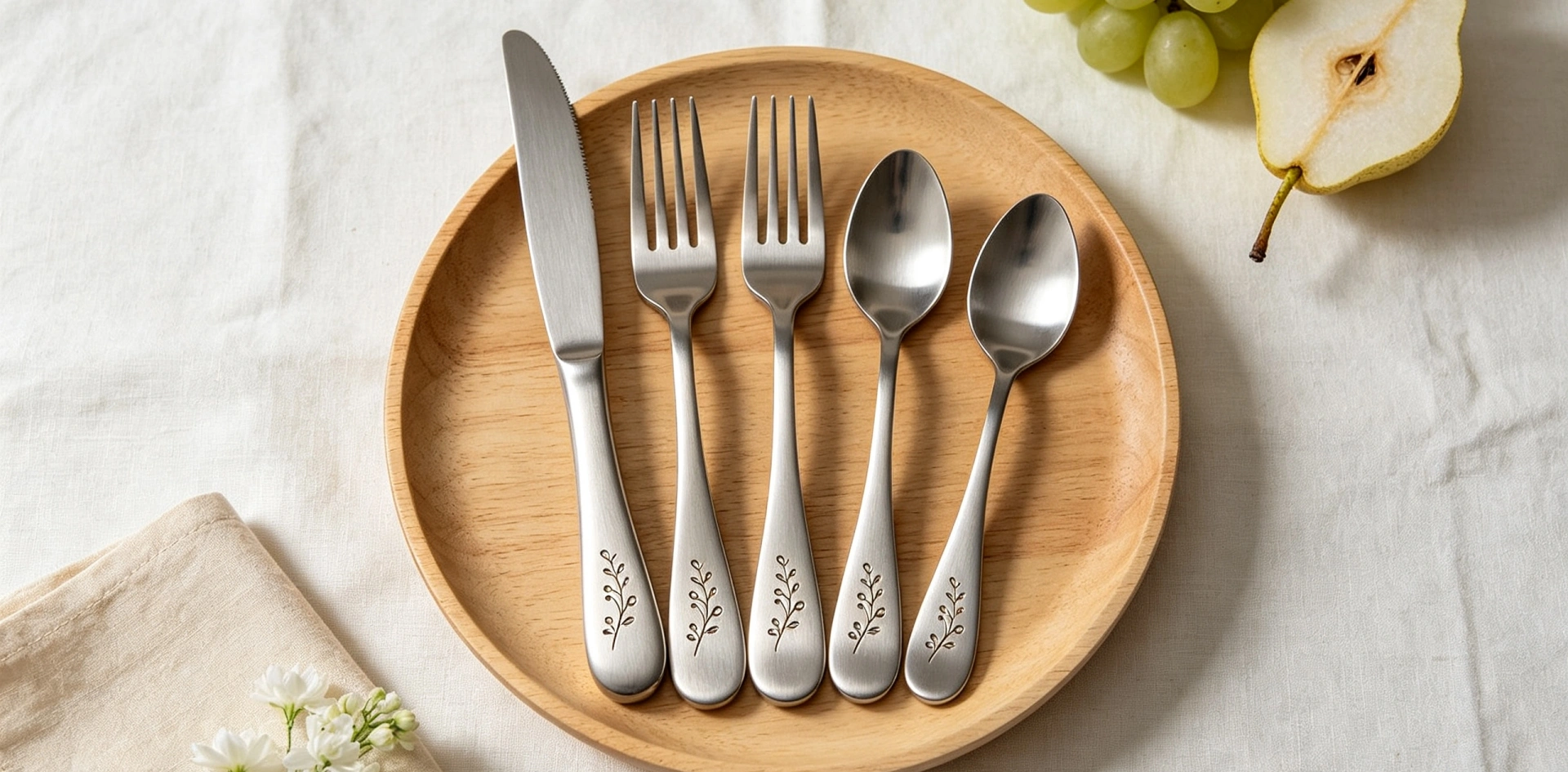
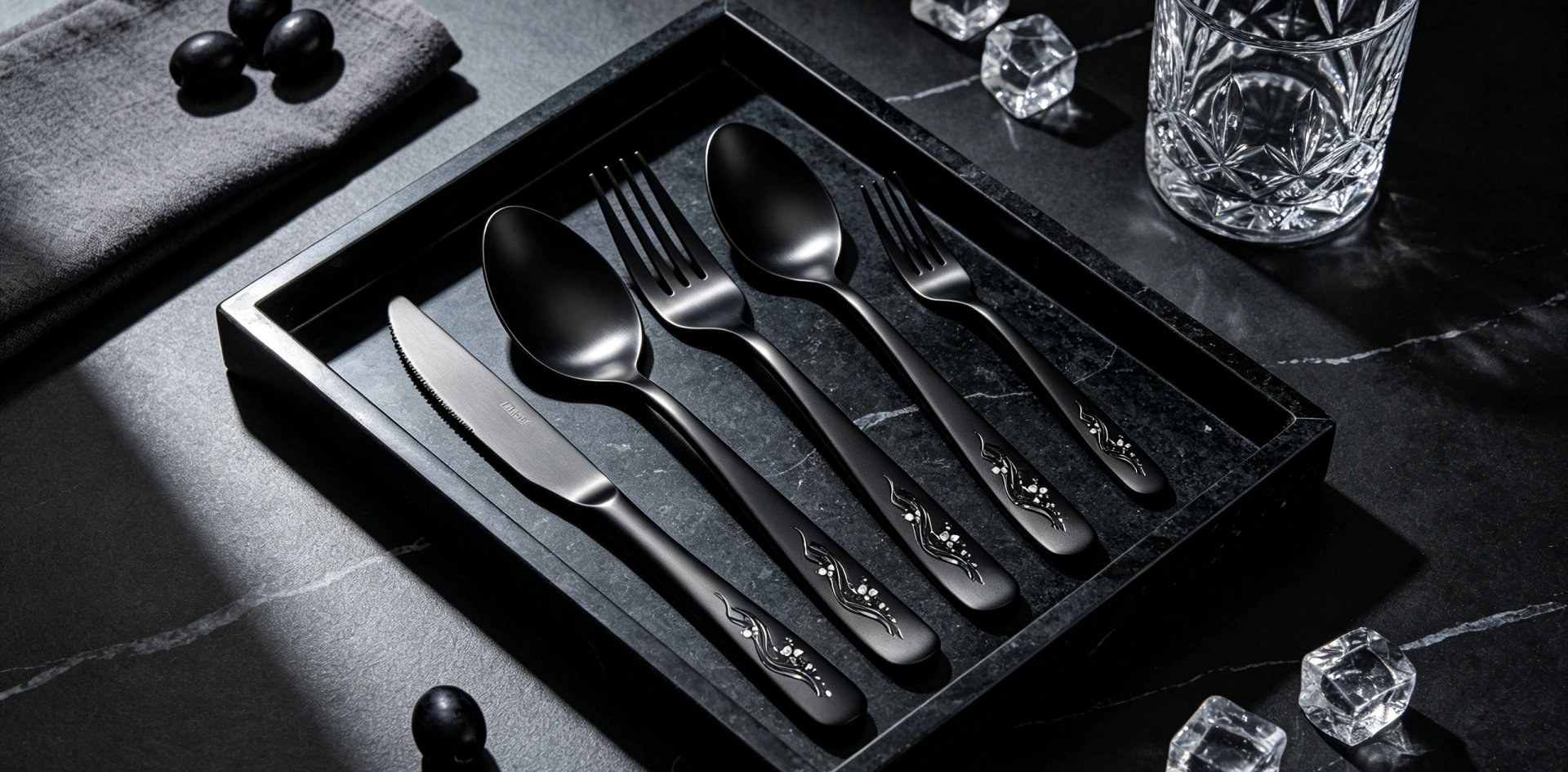
Matte stainless steel cutlery has a softer, less reflective appearance.
Instead of strongly reflecting surrounding light, the surface creates a more understated visual effect.
Matte cutlery can suit:
- Modern tableware
- Contemporary interiors
- Minimalist brands
- Lifestyle collections
- Casual premium dining
The finish can make a traditional stainless steel product look more contemporary.
Advantages of Matte Finish
Matte surfaces can provide a distinctive appearance without relying on strong reflections.
They can help create:
- Modern styling
- Subtle visual texture
- Minimalist appearance
- Contemporary product positioning
For brands focused on modern home and dining products, matte stainless steel can be an attractive option.
Brushed Stainless Steel Cutlery
Brushed stainless steel has a directional surface appearance created through controlled surface treatment.
Fine lines can be visible on the metal surface.
The result is generally less reflective than a mirror finish while retaining a clear stainless steel appearance.
Brushed finishes can work well for modern and industrial-inspired tableware.
Satin Finish Cutlery
Satin finishes typically provide a smooth appearance with lower reflectivity than highly polished surfaces.
The appearance sits between highly reflective and strongly textured finishes.
This can make satin stainless steel cutlery suitable for brands looking for a balanced visual style.
Mirror vs Matte vs Brushed
The three finishes create noticeably different visual effects.
| Finish | Appearance | Typical Positioning |
|---|---|---|
| Mirror | Bright and reflective | Classic / Elegant |
| Matte | Soft and low-reflection | Modern / Minimalist |
| Brushed | Directional texture | Contemporary / Industrial |
There is no universally best finish.
The right choice depends on the product concept and target market.
How Finish Changes Product Appearance
The same cutlery design can look completely different when the surface finish changes.
A simple handle with a mirror finish may appear elegant and traditional.
The same handle with a matte finish may appear modern and minimalist.
A brushed surface may create a more technical or industrial visual character.
This gives product developers another way to differentiate similar designs.
Finish and Tableware Matching
Cutlery should be considered together with the rest of the table setting.
For example:
Mirror stainless steel can work well with:
- White porcelain
- Glassware
- Traditional table settings
- Formal dining
Matte stainless steel can work well with:
- Stoneware
- Dark plates
- Wooden tables
- Contemporary interiors
Brushed stainless steel can complement:
- Modern interiors
- Neutral tableware
- Industrial design concepts
Finish and Product Positioning
Surface finish can influence how a product is positioned.
A highly polished product may be presented as elegant or premium.
A matte product may appeal to consumers looking for contemporary design.
A brushed finish may be suitable for customers who prefer a more understated industrial appearance.
For B2B brands, this means finishing should be selected as part of the overall product strategy.
Finish and Cutlery Design
Surface finishing should complement the physical shape of the cutlery.
For example, a highly decorative handle may benefit from a polished surface that highlights its curves.
A minimalist handle may work particularly well with a matte or brushed finish.
The best result comes from considering shape and surface treatment together.
Finish Consistency Is Important
For wholesale and private label products, consistency is critical.
Buyers should expect the same visual finish across:
- Forks
- Spoons
- Knives
- Teaspoons
- Serving utensils
If different pieces have noticeably different surface appearances, the collection may look inconsistent.
Production specifications should therefore clearly define the required finish.
How Buyers Should Specify a Cutlery Finish
Simply writing “stainless steel finish” may not be sufficient.
A better specification can identify:
- Finish type
- Reflectivity
- Surface appearance
- Product area
- Sample reference
- Color requirement where applicable
For custom projects, a physical sample is particularly useful.
Why Sample Approval Matters
Surface appearance can be difficult to judge from product photographs.
Lighting can make a polished surface look brighter, while photography can reduce visible texture on brushed products.
A physical sample allows buyers to evaluate the actual finish.
The buyer can compare:
- Reflection
- Texture
- Smoothness
- Color
- Overall appearance
The approved sample can then become the production reference.
Can Different Finishes Be Used in One Collection?
Yes, but this should be a deliberate design decision.
For example, a brand might use:
- Mirror finish for classic collections
- Matte finish for contemporary collections
- Brushed finish for a modern industrial collection
Mixing finishes within one individual collection requires careful design planning.
Otherwise, the product range may look inconsistent.
Finish Selection for Retail Products
Retail buyers should consider how the product will appear in:
- Product photography
- Packaging
- Store displays
- Online listings
A highly reflective product can create strong visual highlights in photography.
A matte product can create a softer and more understated appearance.
The finish should support the product's visual marketing strategy.
Finish Selection for Hospitality Products
Commercial buyers should consider the intended environment.
Restaurant and hospitality purchasing teams should discuss the actual application with the manufacturer before selecting a decorative finish.
Factors may include:
- Usage frequency
- Cleaning process
- Storage
- Handling
- Product positioning
The surface finish should be appropriate for the intended application rather than selected only for appearance.
Finish Selection for Private Label Brands
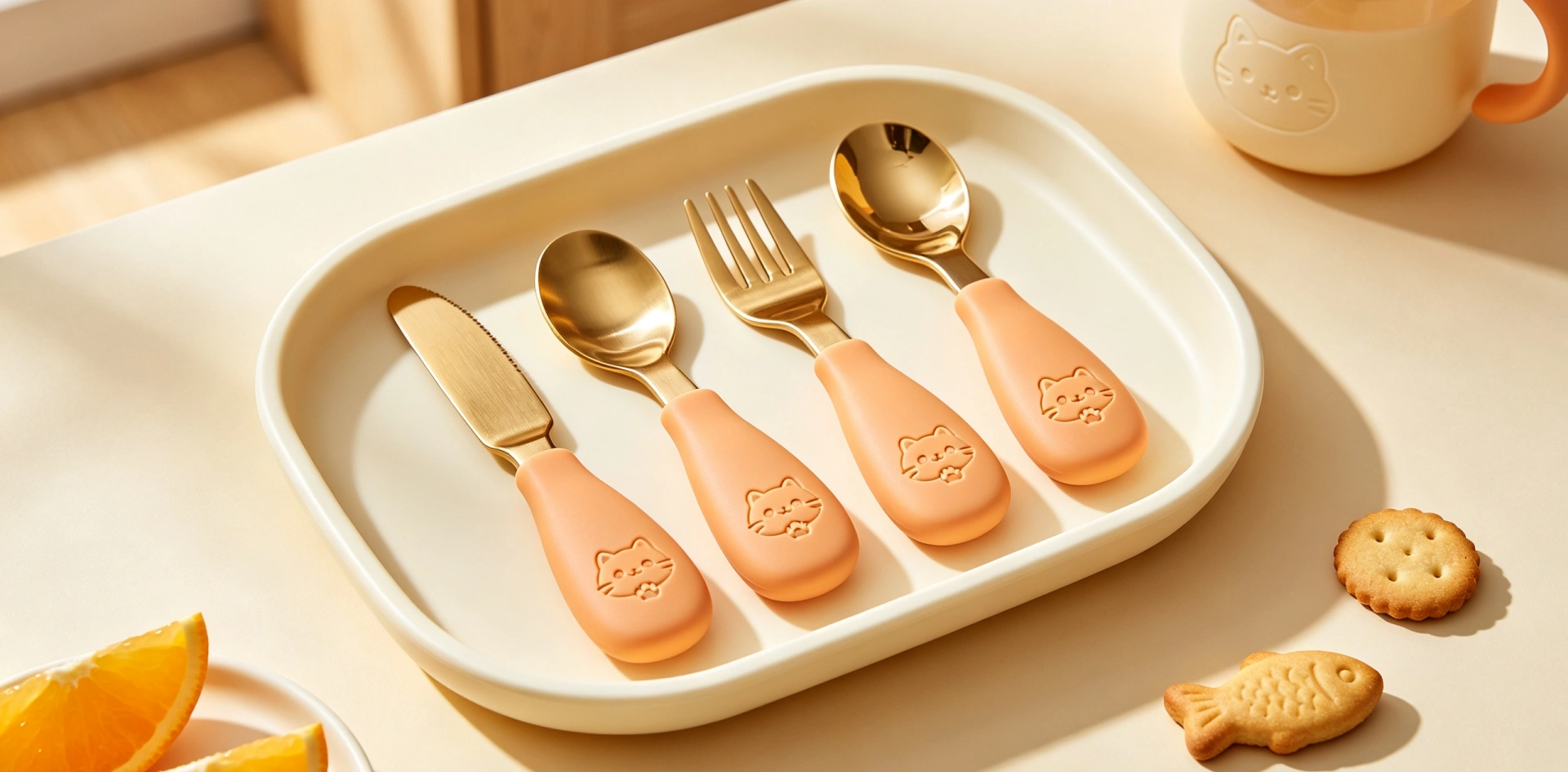
For custom flatware finish development, brands can use surface treatment as part of their visual identity.
A brand might establish a consistent design language using:
- One signature finish
- Several coordinated finishes
- Different finishes for different collections
The finish can become an important part of product differentiation.
Common Mistakes When Selecting Cutlery Finishes
Choosing Only From Photos
Images may not accurately represent surface reflection or texture.
Not Defining the Finish
“Silver stainless steel” does not clearly define whether the surface should be mirror, matte or brushed.
Ignoring the Product Design
The finish should complement the handle and overall shape.
Mixing Different Finishes
Unplanned combinations can make a product collection look inconsistent.
Not Keeping a Reference Sample
A reference sample can help maintain consistency during repeat production.
How Homefelt Can Support Different Cutlery Finishes
Homefelt is a stainless steel products factory with more than 30 years of manufacturing experience.
The factory produces:
- Stainless steel cutlery
- Kitchenware
- Tableware
- BBQ tools
- Pet bowls
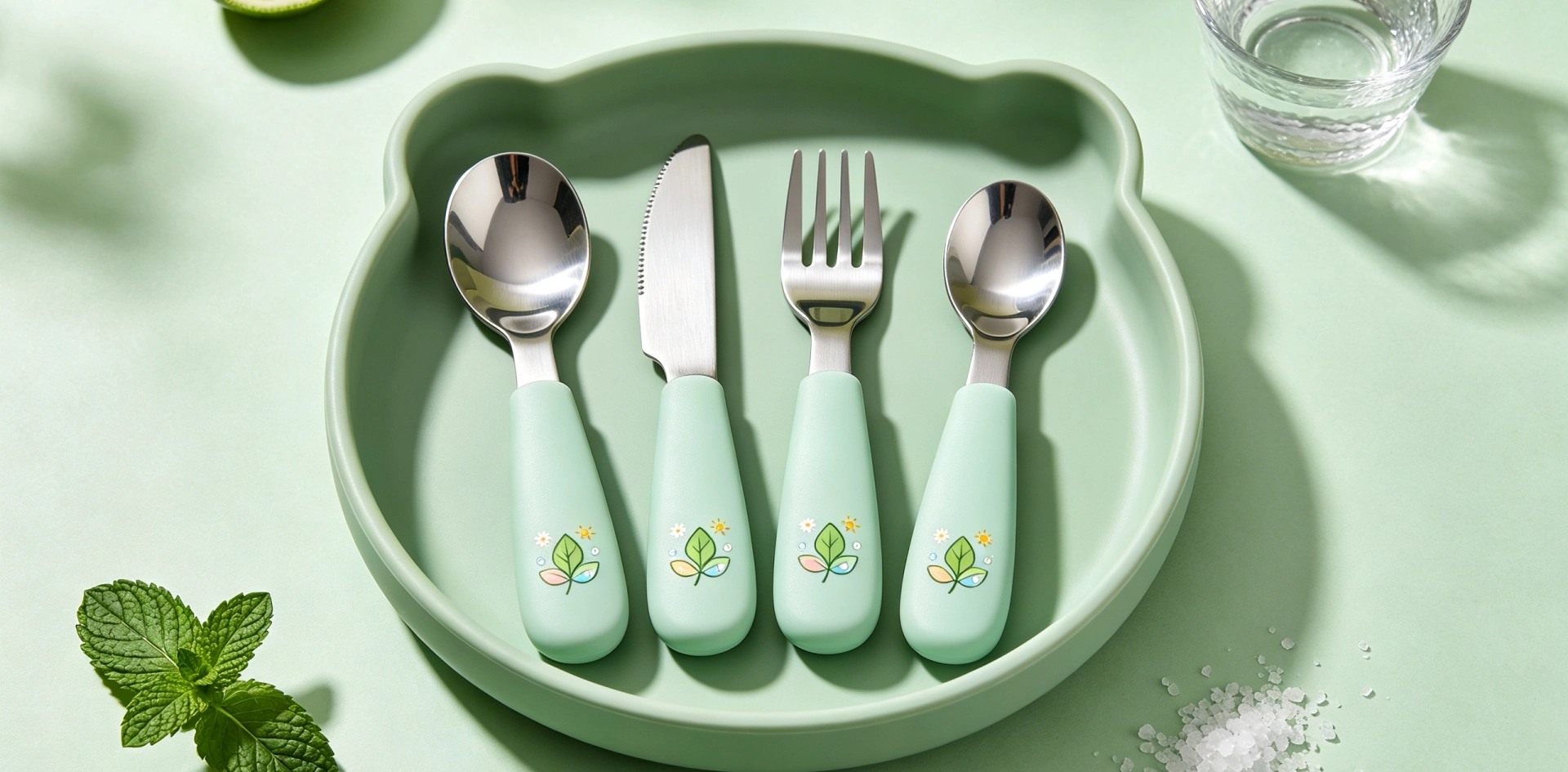
- Children's tableware
For international B2B customers, Homefelt can support stainless steel product projects with different design and finishing requirements.
Depending on the project, buyers can discuss:
- Product design
- Stainless steel material
- Mirror finish
- Matte finish
- Brushed finish
- Decorative finishes
- Product dimensions
- Product weight
- Packaging
- Custom requirements
For wholesalers, retailers and private label brands, defining the required surface finish clearly can help establish a consistent product specification.
Cutlery Finish Selection Checklist
| Item | Requirement |
|---|---|
| Product | Fork / Spoon / Knife |
| Material | Stainless steel |
| Finish Type | Mirror / Matte / Brushed / Satin |
| Reflectivity | Defined |
| Surface Texture | Defined |
| Color | If applicable |
| Sample | Approved |
| Collection | Matching finish |
| Packaging | Confirmed |
| Quality Standard | Confirmed |
Frequently Asked Questions
What is the most common stainless steel cutlery finish?
Mirror and satin-style finishes are widely used, while matte and brushed finishes are popular for contemporary designs.
What is the difference between mirror and matte cutlery?
Mirror cutlery has a highly reflective polished surface, while matte cutlery has a softer, lower-reflection appearance.
What is brushed stainless steel cutlery?
Brushed stainless steel cutlery has a directional surface texture created through controlled finishing, resulting in a less reflective appearance.
Can I customize the finish of stainless steel cutlery?
Yes. Depending on the manufacturing project, buyers can specify different surface finishes for customized cutlery.
Should I request a sample for a custom finish?
Yes. A physical sample is recommended because surface appearance can be difficult to evaluate accurately through photographs.
Can the same cutlery design have different finishes?
Yes. The same basic design can often be produced with different surface finishes, allowing brands to create different visual collections.
The main stainless steel cutlery finishes include mirror, matte, brushed and satin finishes. Mirror finishes are bright and reflective, matte finishes provide a softer modern appearance, and brushed finishes create a directional surface texture. B2B buyers should select the finish according to product design, target market, intended application and brand positioning, and approve a physical sample before mass production.
How Stainless Steel Cutlery Is Made
→ Manufacturing process
Custom Stainless Steel Cutlery
→ Custom product development
Stainless Steel Cutlery Dimensions
→ Product specifications
Gold Stainless Steel Cutlery
→ Decorative finishes
How to Choose Stainless Steel Cutlery for Your Brand
→ Brand development
Stainless Steel Cutlery for Restaurants
→ Commercial application
Conclusion
The surface finish is an important part of stainless steel cutlery design.
Mirror, matte, brushed and satin finishes can create very different appearances even when the underlying cutlery design remains the same.
For B2B buyers, the best finish depends on the target market, product positioning, tableware style and intended application.
Clear finishing specifications and physical sample approval can help ensure that the final product matches the intended design.
With more than 30 years of stainless steel manufacturing experience, Homefelt provides stainless steel cutlery manufacturing solutions for international B2B customers.
For wholesalers, retailers, restaurant suppliers and private label brands, selecting the right stainless steel cutlery finish can be an effective way to create a more distinctive and consistent product collection.


Stainless Steel Cutlery for Catering and Foodservice
Stainless Steel Cutlery for Hotels: A Complete B2B Buying Guide
Related Article