
Stainless Steel Cutlery for Restaurants: A Practical Buying Guide
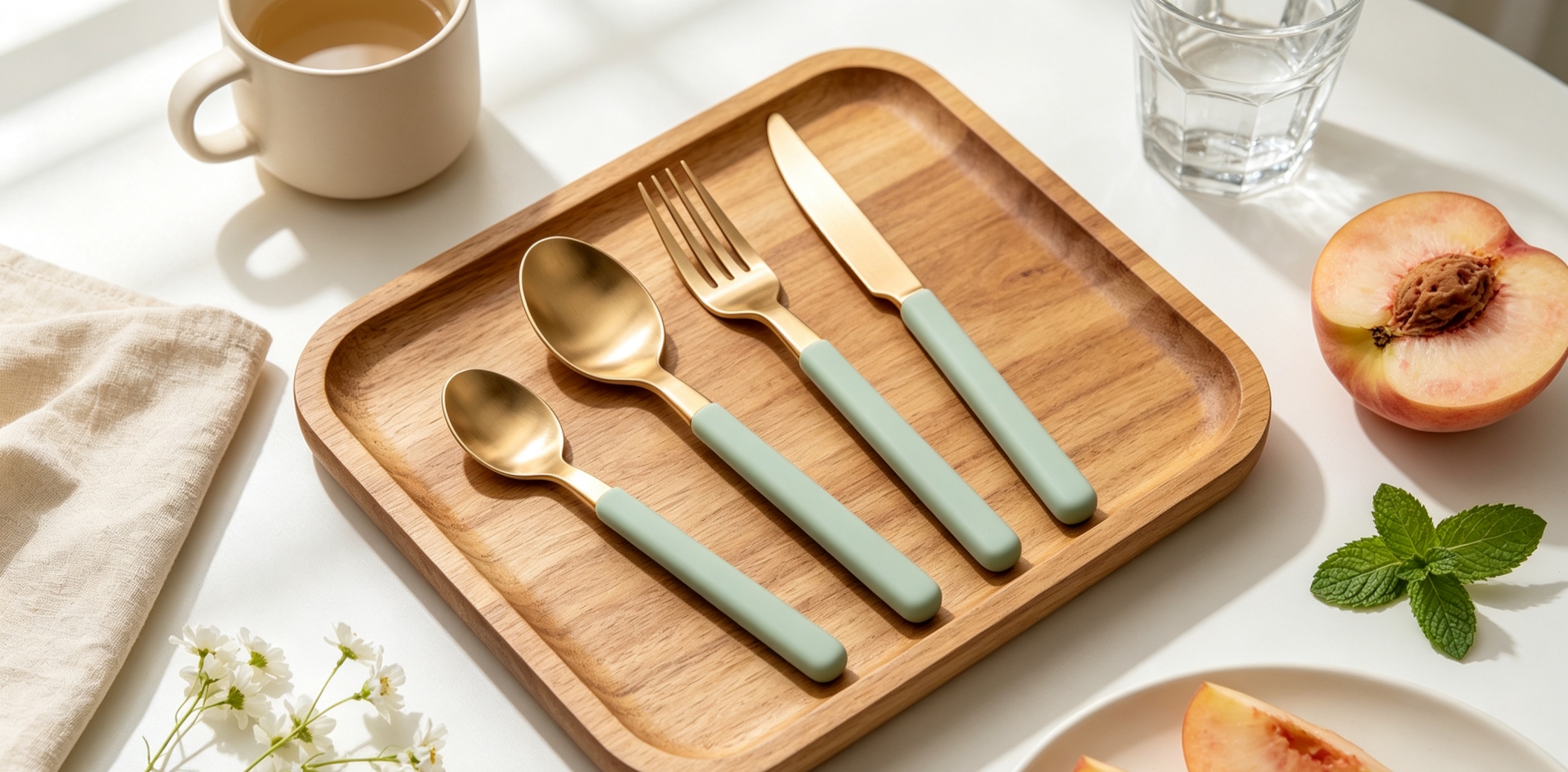
Stainless Steel Cutlery for Restaurants: A Practical Buying Guide
For restaurants, cutlery is part of the dining experience as well as an essential tool for daily service. Customers notice how a fork feels in the hand, how a knife sits beside a plate and how the complete table setting looks together.
At the same time, restaurant owners and purchasing teams need products that are practical for regular use and easy to replenish when required.
This makes stainless steel cutlery a common choice for restaurants looking for a balance between appearance, functionality and long-term supply.
What Restaurants Should Consider
Restaurant cutlery needs to work well in a busy dining environment.
Before purchasing, buyers should consider:
- Restaurant style
- Number of seats
- Customer turnover
- Product weight
- Stainless steel grade
- Surface finish
- Storage space
- Cleaning requirements
- Replacement needs
A small café may have very different requirements from a hotel restaurant or fine dining establishment.
The best product is therefore the one that fits the actual operation.
Choosing the Right Stainless Steel
Material selection is an important part of restaurant cutlery purchasing.
Common stainless steel options include 18/10, 18/8 and 18/0.
The appropriate grade depends on the buyer's requirements, product positioning and target market.
For restaurants purchasing the same collection regularly, keeping the material specification consistent can make future orders easier to manage.
Weight and Balance
The weight of cutlery influences how it feels during a meal.
Lightweight products can be practical for casual restaurants, cafés and high-volume dining environments.
Heavier products can create a more substantial feel and may be suitable for premium restaurants.
Balance is also important.
A knife, fork or spoon should feel comfortable when held and used.
Instead of choosing purely by weight, restaurant buyers should evaluate the complete product in hand.
Matching the Restaurant Style
Cutlery should complement the overall restaurant concept.
A modern restaurant may prefer clean lines and a simple finish.
A traditional restaurant may choose more decorative handles.
Fine dining establishments may prefer heavier products with polished surfaces.
Casual restaurants may focus more on practical handling and easy replacement.
The cutlery does not need to attract attention by itself. It should fit naturally with the plates, glasses, table linens and overall dining environment.
Surface Finish
The finish is another important design choice.
Mirror-polished cutlery has a bright and classic appearance.
Satin finishes provide a softer visual effect.
Matte finishes can suit contemporary restaurant interiors.
Brushed finishes create a more understated look.
When selecting a finish, buyers should consider how it works with the restaurant's existing tableware.
A sample is useful because the actual appearance can be difficult to judge from photographs alone.
Basic Restaurant Cutlery Collection
Most restaurants can start with a core collection.
This may include:
- Table fork
- Table knife
- Table spoon
- Teaspoon
Depending on the menu and service style, additional products may be needed.
Dessert spoons, cake forks, serving utensils and specialized pieces can be added as the restaurant's requirements grow.
Building a core collection first can make purchasing and inventory management more straightforward.
How Many Pieces Does a Restaurant Need?
The required quantity depends on several factors.
A restaurant should consider:
- Number of seats
- Number of dining periods per day
- Customer turnover
- Cleaning and washing cycles
- Storage capacity
- Peak service periods
- Replacement requirements
Buying exactly the number of pieces needed for the seats may not provide enough stock during busy periods.
Additional inventory can help maintain smooth service when some products are being cleaned or replaced.
Cutlery for Fine Dining
Fine dining restaurants often place greater emphasis on presentation.
The cutlery may need to complement premium plates and glassware while providing a substantial and comfortable feel.
Polished stainless steel can be suitable for formal table settings, while carefully designed handles can add visual character.
For a high-end restaurant, a customized collection can also create a more distinctive table presentation.
Cutlery for Casual Restaurants
Casual restaurants generally need practical products that can support frequent daily use.
Simple designs can be easier to manage and replace.
A straightforward stainless steel collection can also work across different menu styles, allowing the restaurant to maintain a consistent table setting without carrying too many separate products.
Restaurant Groups and Multiple Locations
Restaurant groups have additional purchasing considerations.
When several locations use the same cutlery, maintaining consistent product specifications becomes especially important.
The same collection should ideally maintain consistent:
- Material
- Dimensions
- Weight
- Finish
- Handle design
A standardized product can simplify purchasing and replacement across different restaurants.
It can also help create a consistent brand experience for customers.
Bulk Purchasing for Restaurants
Restaurants purchasing larger quantities should compare more than the unit price.
Important factors include:
- Product quality
- Material
- Weight
- Finish
- Packaging
- Order quantity
- Delivery schedule
- Repeat order capability
A supplier that can provide the same product specification over time may offer greater value than a supplier selected only for the lowest initial quotation.
Replacement Planning
Cutlery can be lost or damaged during normal restaurant operations.
Individual pieces may also disappear from inventory over time.
For this reason, restaurants should keep replacement stock available.
It is helpful to retain the original product specification so replacement pieces can match the existing collection.
This is particularly important for restaurant groups where inconsistent cutlery can become noticeable across locations.
Custom Restaurant Cutlery
Some restaurants choose customized cutlery to strengthen their brand identity.
Customization can include:
- Handle design
- Product dimensions
- Surface finish
- Logo
- Set configuration
- Packaging
A custom collection can be developed around the restaurant's interior style and tableware.
For larger restaurant groups, customized products can also become part of a consistent brand presentation across multiple locations.
Why Samples Matter
Before placing a large restaurant cutlery order, buyers should evaluate a physical sample.
Pay attention to:
- Weight
- Balance
- Handle comfort
- Finish
- Product dimensions
- Overall appearance
It is useful to test the products together with the restaurant's existing plates and glasses.
This gives a more realistic idea of how the complete table setting will look.
Homefelt Stainless Steel Cutlery Manufacturing
Homefelt has more than 30 years of experience in stainless steel manufacturing.
The factory produces stainless steel cutlery together with kitchen and dining products, BBQ tools, pet bowls and children's tableware.
For restaurant suppliers, wholesalers and hospitality businesses, Homefelt can work with different product specifications and customization requirements.
Customers can discuss material, dimensions, weight, finish, logo requirements and packaging according to the intended application.
For repeat purchasing, establishing a clear product specification and approved sample can also help maintain consistency between orders.
Choosing a Long-Term Restaurant Cutlery Supplier
A restaurant may purchase cutlery once, but a restaurant business often needs to replenish products over many years.
For this reason, supplier selection should consider future purchasing as well as the first order.
A reliable supply relationship can make it easier to:
- Reorder the same design
- Maintain consistent quality
- Add new products
- Replace missing pieces
- Expand to new locations
For growing restaurant groups, this can become an important part of purchasing management.
Conclusion
Choosing stainless steel cutlery for restaurants requires more than selecting an attractive design.
Material, weight, balance, surface finish, quantity, storage and future replacement should all be considered.
The right collection should fit the restaurant's dining style while remaining practical for everyday service.
For restaurants, hospitality suppliers and wholesalers, an experienced manufacturer can also provide useful support when developing standard or customized products.
With more than 30 years of stainless steel manufacturing experience, Homefelt works with international B2B customers on stainless steel cutlery and other kitchen and dining products.
A clear specification, physical sample and long-term supply plan can help restaurants build a consistent tableware collection that supports both daily service and future growth.
Related Topics for Your Content Matrix
How to Choose Stainless Steel Cutlery for Hotels
Stainless Steel Cutlery for Catering and Banquet Services
How to Choose the Right Stainless Steel Cutlery Supplier
What Is the Best Stainless Steel Grade for Restaurant Cutlery
How Much Restaurant Cutlery Should You Order
Custom Stainless Steel Cutlery for Restaurant Brands


Stainless Steel Cutlery for Hotels and Hospitality Businesses
Stainless Steel Cutlery Packaging for Wholesale and Export
Related Article



