How to Prepare a Stainless Steel Cutlery Collection for Market Launch
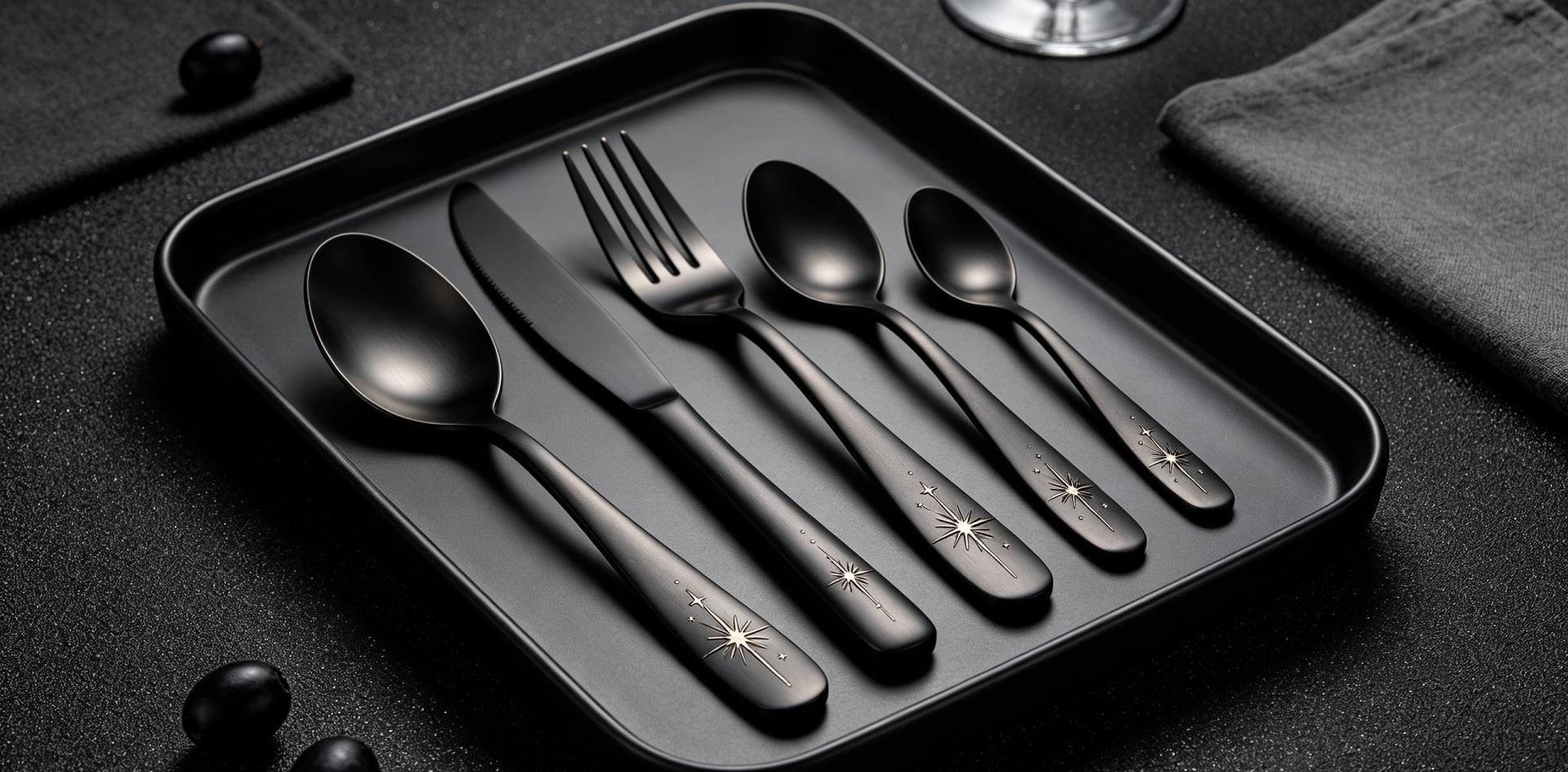
How to Prepare a Stainless Steel Cutlery Collection for Market Launch
Launching a new stainless steel cutlery collection involves more than selecting attractive spoons, forks, and knives. Importers, distributors, retailers, and private-label brands also need to coordinate product specifications, packaging, pricing, sales information, and stock planning before the first shipment arrives. When these details are prepared together, commercial teams can introduce the collection with fewer last-minute changes.
For B2B buyers, launch readiness is especially important when products are customized or manufactured in bulk. A delay in approving packaging artwork, confirming product descriptions, or preparing sales samples can affect the planned release date even when manufacturing is progressing normally.
Homefelt supports stainless steel cutlery projects for wholesale and private-label customers. By discussing the launch plan early, buyers and the factory can align product development, production requirements, packaging, and transportation around the intended commercial schedule.
Confirm the Collection Structure Before Production
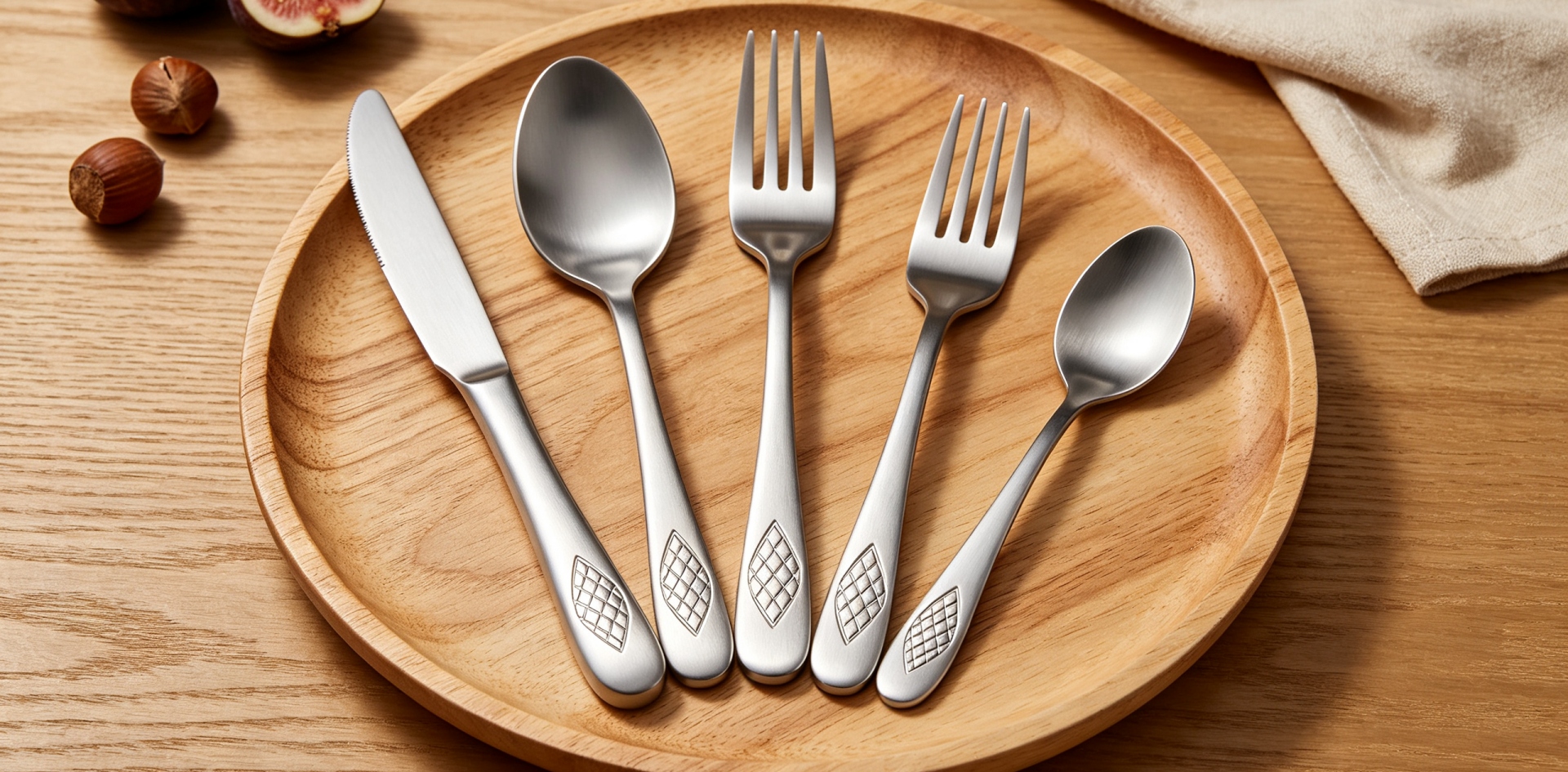
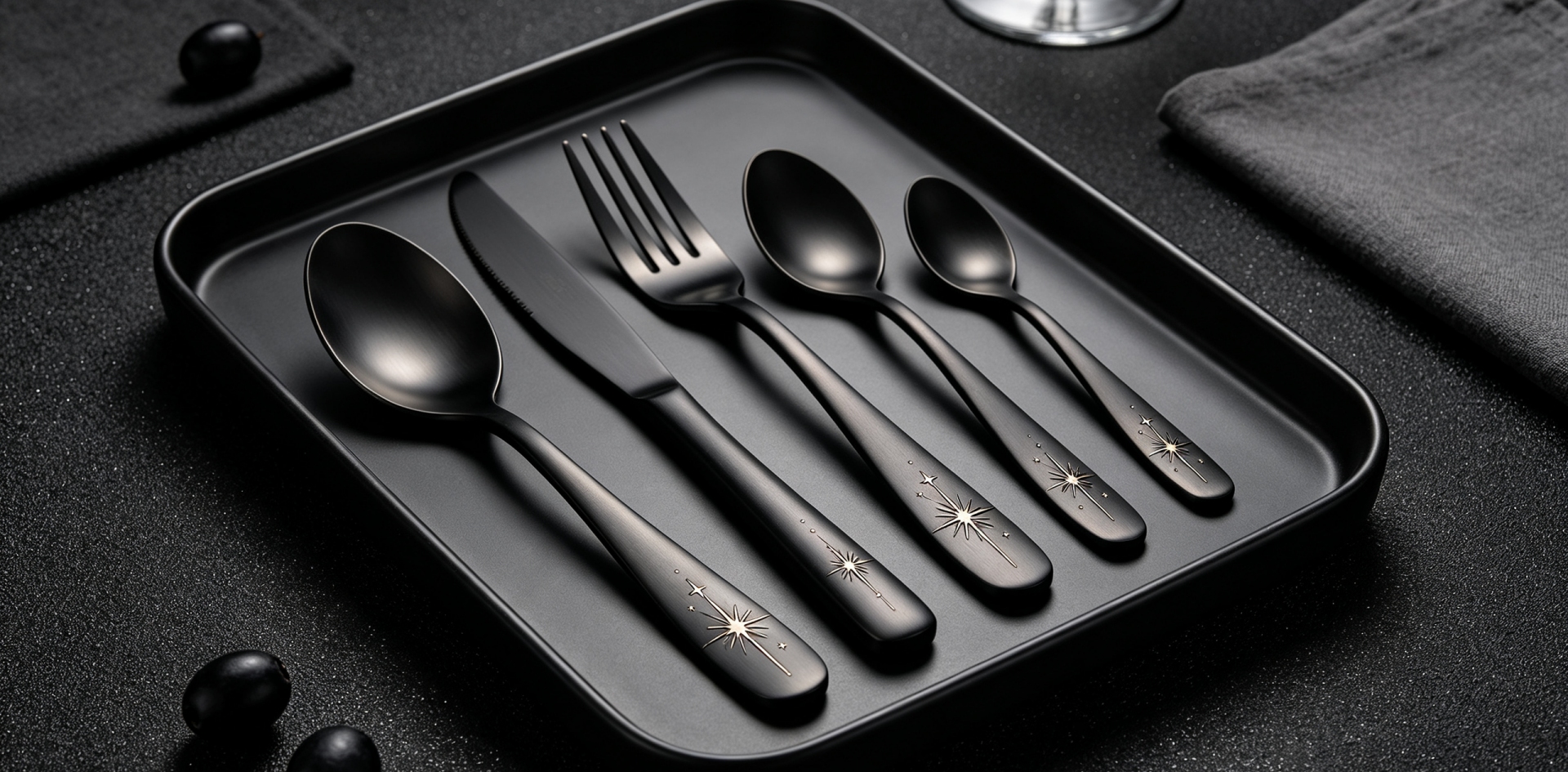
A launch plan should begin with a clear definition of the products being introduced. A collection may contain dinner spoons, teaspoons, table forks, dinner knives, and coordinated cutlery sets. Buyers should decide which products will launch together and which can be introduced in a later phase.
Create a master list showing the product name, SKU, material, dimensions, finish, unit weight, and available set combinations. If the range includes several handle designs or finishes, identify each option separately so purchasing, sales, and warehouse teams can use the same product references.
The initial assortment should reflect the target customer and expected demand. A distributor serving general retail may need coordinated sets and gift-ready packaging, while a hospitality supplier may prioritize individual pieces, consistent replenishment, and bulk packing.
Launching fewer clearly defined SKUs can make the first order easier to manage. Additional styles can be introduced after the initial products establish demand and provide useful feedback.
Align Product Specifications and Approved Samples
Before the production order is released, confirm that the specifications match the approved samples. This step is particularly important for customized stainless steel flatware, where small differences in dimensions, handle contours, decoration, or surface finish can change the final appearance.
For each SKU, document the applicable stainless steel grade, overall length, key dimensions, thickness where relevant, weight tolerance if specified, finish, and logo requirements. The specification should also identify the approved drawing or sample revision.
Buyers should inspect the actual sample rather than rely entirely on digital images. Photographs can communicate design and color references, but they may not fully represent weight, balance, edge quality, or the feel of a handle.
If any feature remains undecided, resolve it before mass production. A clear approval record gives both parties a reference when finished goods are inspected and helps prevent different departments from working from conflicting versions.
Prepare Packaging and Product Presentation
Packaging is part of the launch product, not simply the final step before shipment. Buyers should determine whether the cutlery will be sold in individual pieces, coordinated sets, gift boxes, retail cartons, or bulk packs for professional customers.
The packaging specification should include the box dimensions, material, insert arrangement, product quantity, artwork version, barcode, labels, and any market-specific information required for the intended sales channel. Confirm that the package protects the finish and prevents the pieces from rubbing against one another during transportation.
For branded products, check logo placement, color references, spelling, SKU details, and other printed information against the approved artwork. A final artwork proof should be reviewed by the responsible buyer before printing begins.
It is also useful to evaluate the complete packaged product. A box may look appropriate in a design file but prove difficult to pack efficiently or may leave too little protection around polished stainless steel surfaces. Early packaging samples can reveal these issues before a large quantity is produced.
Set Up Pricing and Sales Information
Sales teams need accurate information before they can present a new collection to distributors or retail customers. The launch file should include approved product descriptions, current images, SKU references, packaging options, and quotation information.
Pricing should be connected to the confirmed product configuration. Material grade, weight, finish, logo customization, tooling, packaging, order quantity, and shipping requirements can all affect the final commercial offer. If the buyer is comparing different configurations, each quotation should clearly identify the specification and assumptions used.
Avoid distributing preliminary prices without explaining what they include. For example, a quotation based on bulk packaging should not be compared directly with a retail-ready set that includes custom printed boxes and inserts without adjusting for the different scope.
For OEM and ODM programs, maintain a clear distinction between standard products and customized versions. This makes it easier for sales teams to explain differences and helps buyers request repeat orders using the correct specifications.
Check Product Claims and Supporting Documents
Before launch, review the information that will appear in catalogs, websites, packaging, and distributor materials. Claims about stainless steel grade, durability, corrosion resistance, dishwasher suitability, or food-contact compliance should be consistent with the actual product specifications and available evidence.
A material description should identify the confirmed grade rather than use a vague phrase that could be interpreted differently by different markets. Similarly, claims about testing or certification should be checked against the scope of the relevant document.
Homefelt has experience in stainless steel cutlery manufacturing and has participated in audit and certification programs including BSCI, SEDEX 4P, BRC, and ISO 9001-related requirements, as well as Disney audits. Buyers should confirm which documents are applicable to their specific project and destination market before publishing claims or submitting compliance materials.
A simple document checklist can include the approved product specification, applicable material records, relevant test reports, final packaging artwork, and any customer-specific documents required for order release.
Coordinate Samples, Inventory, and Launch Timing
Commercial launch dates depend on several connected activities. Product approval, tooling where required, packaging production, finished-goods inspection, and transportation all need realistic time allowances.
Work backward from the intended market launch date and identify the latest acceptable completion date for each activity. Include time for reviewing samples, correcting artwork, resolving specification questions, and preparing shipping documents. Avoid scheduling every step with no allowance for revisions.
Buyers should also define the initial order quantity using expected demand, available storage, and replenishment plans. An oversized first order can tie up working capital and warehouse space, while an undersized order may lead to stock shortages if demand grows faster than expected.
For multi-SKU collections, confirm that the quantities of individual spoons, forks, knives, and complete sets match the intended sales assortment. The factory and buyer should use the same order breakdown to avoid discrepancies during packing and receiving.
Prepare the Distributor and Customer Support Teams
A collection is not fully launch-ready if the people selling it cannot explain its features. Before release, provide the sales team with current product images, key specifications, packaging details, available customization options, and approved answers to common buyer questions.
Representatives should understand which details can be confirmed immediately and which require factory review. Questions about special materials, new logo designs, custom dimensions, and market-specific testing should be escalated rather than answered through assumptions.
Prepare a contact route for handling product questions after launch. Feedback about dimensions, finish, packaging, or customer preferences can help guide later production runs and product development. Recording feedback by SKU makes it easier to identify recurring patterns instead of treating each comment as an isolated issue.
Use a Launch Readiness Checklist
Before confirming the commercial release, purchasing and product teams can review the following points:
-
All launch SKUs and product configurations are confirmed.
-
Product specifications match approved samples.
-
Custom logos and decorative details have final approval.
-
Packaging artwork, barcodes, and labels are verified.
-
Pricing reflects the correct materials and packaging scope.
-
Product claims match available documentation.
-
Sales images and product descriptions are current.
-
Production, inspection, and transportation schedules are aligned.
-
Initial stock quantities match the planned assortment.
-
Distributor teams know where to find current product information.
Assign an owner and completion date to each item. A shared checklist helps departments identify outstanding decisions before they affect production or the planned launch.
Plan Your Next Stainless Steel Cutlery Launch With Homefelt
Homefelt works with B2B buyers developing stainless steel spoons, forks, knives, and complete flatware collections for wholesale, retail, and private-label markets. OEM/ODM discussions can include product design, material and dimension confirmation, logo customization, packaging development, and transportation coordination.
To help evaluate your project, share the target market, planned product range, estimated order quantities, preferred packaging, branding requirements, and intended launch date. These details allow the team to discuss a suitable production and delivery plan based on the actual project scope.
For product information, a wholesale quotation, or a custom stainless steel cutlery inquiry, contact ingrid@homefelt.net. Early coordination gives your team more time to confirm specifications, prepare sales materials, and bring the collection to market with confidence.
You May Be Interested In
How to Build a Purchase Order Approval Workflow for Stainless Steel Cutlery
How to Prepare Distributor Training Materials for Stainless Steel Cutlery
Related Article