
How to Manage Stainless Steel Cutlery Model Changes and Product Replacement
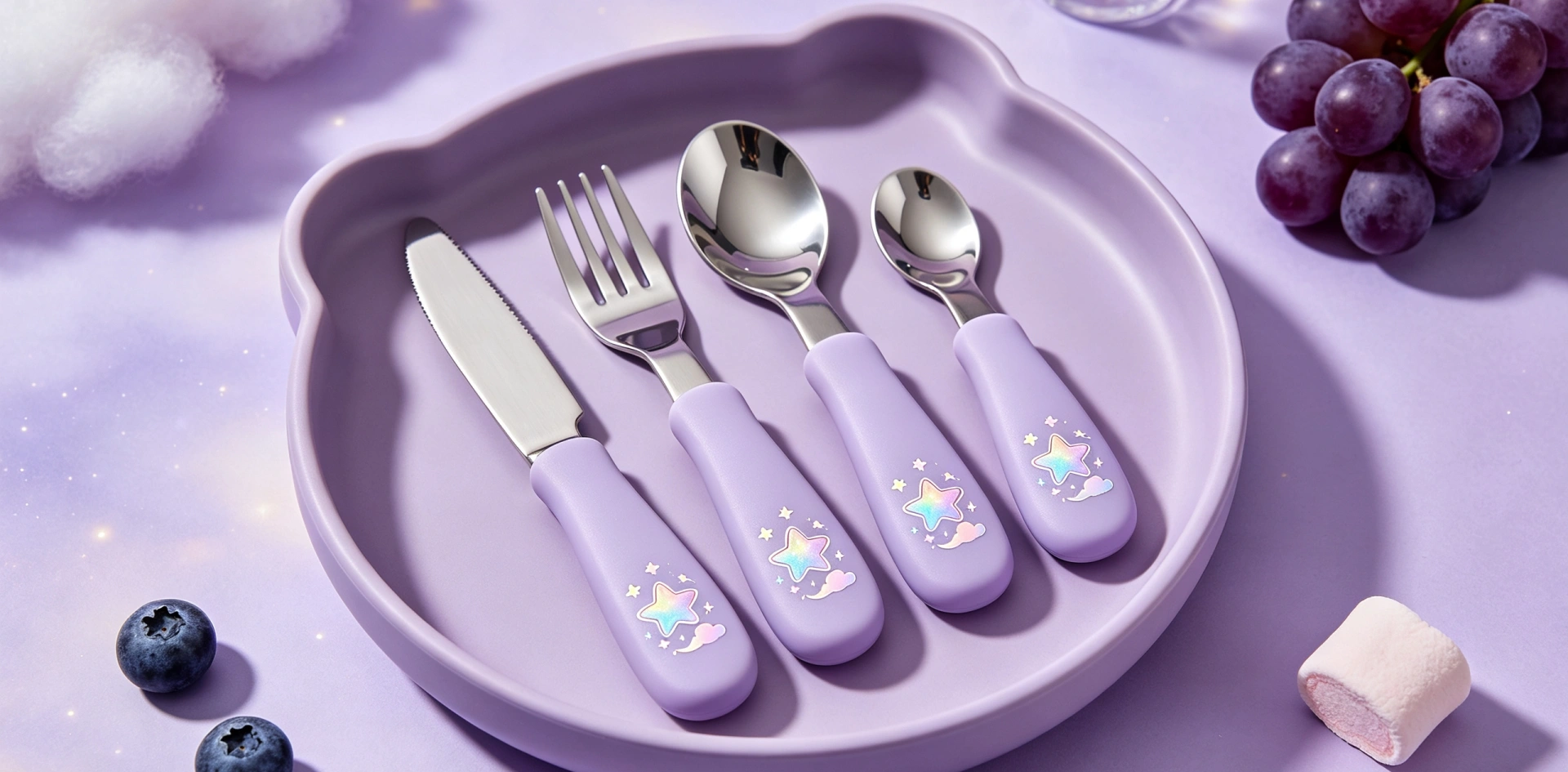
How to Manage Stainless Steel Cutlery Model Changes and Product Replacement
For importers, wholesalers, retailers, and private label brands, managing a stainless steel cutlery collection does not end when the first order is delivered. Over time, product designs may be updated, certain models may become unavailable, and purchasing teams may need to replace older items without disrupting existing sales or customer expectations.
A structured product lifecycle plan helps businesses manage these changes while maintaining consistency across knives, forks, spoons, and complete flatware sets. For B2B buyers working with the Homefelt factory, documenting model changes early can make future purchasing decisions clearer and reduce avoidable confusion between product versions.
Why Cutlery Model Lifecycle Planning Matters
A cutlery model may remain in a catalog for years, or it may need to be revised because of changing market demand, production considerations, design updates, or material availability. Without a clear record of these changes, buyers may accidentally reorder an outdated specification or select a replacement that looks similar but differs in important details.
For example, two dinner forks may have nearly identical outlines while differing in overall length, handle thickness, weight, or surface finish. These differences can affect how the product fits an established collection.
Lifecycle planning is especially valuable when a business has:
-
Multiple retail channels selling the same cutlery range.
-
Repeat orders based on previous purchase orders.
-
Private label products with approved logos and packaging.
-
Sets containing several coordinated knives, forks, and spoons.
-
Long-term customers who expect consistent replacement products.
A simple lifecycle record allows purchasing, sales, quality, and product development teams to work from the same product information.
Establish a Clear Status for Every Product Model
The first step is to define the current status of each cutlery model. A product should not be considered discontinued simply because it is temporarily unavailable or awaiting a production schedule.
A practical classification system can include the following statuses:
| Model Status | Meaning for Buyers |
|---|---|
| Active | Available for normal quotation and repeat-order review |
| Under review | Being assessed for design, demand, or specification changes |
| Revised | Updated version exists and requires clear version identification |
| Limited availability | Supply may depend on remaining stock or production conditions |
| Discontinued | New orders are no longer accepted under the previous arrangement |
| Replacement proposed | An alternative has been identified but still requires buyer approval |
The status should be recorded alongside the model number, last approved specification, and relevant purchasing references.
For private label products, the record should also identify the customer-specific logo, artwork, packaging, and other requirements that may not apply to standard catalog items.
This system helps prevent an important commercial misunderstanding: an alternative product is not automatically equivalent to the original product merely because it belongs to the same category.
Which Specifications Must Be Checked Before Replacing a Model?
When a stainless steel cutlery model changes, the replacement assessment should focus on the attributes that influence product identity, use, quality, and commercial acceptance.
Material and construction
Confirm the specified stainless steel grade and any relevant construction details. Material descriptions should be supported by appropriate product records rather than visual assumptions.
If the original product has a documented material requirement, a replacement should not be accepted until the proposed material has been checked against that requirement.
Dimensions and weight
Compare overall length, thickness, handle width, and individual piece weight where these parameters are relevant to the product specification.
Even small differences can become noticeable when a replacement is added to an existing cutlery collection. For set products, check each piece rather than reviewing only one representative item.
Surface finish and appearance
Review the polishing style, color, visible surface condition, decorative pattern, and logo presentation. A replacement with a different finish may be technically usable but unsuitable for a collection that requires a consistent appearance.
For colored or specially treated products, buyers should confirm the applicable finish specification and inspection criteria.
Functional design
Table knives, dinner forks, tablespoons, and teaspoons have different functional requirements. Replacement decisions should consider the intended use of each piece, including handle comfort, tine shape, bowl proportions, and blade profile where applicable.
The goal is to verify the relevant requirements, not to assume that every replacement needs to reproduce every minor feature of the original.
A Step-by-Step Replacement Approval Process
A documented process can help buyers move from a discontinued or revised model to an approved replacement.
First, identify the affected model and review its previous purchase records. Establish whether the change concerns availability, product design, material specification, or another factor.
Second, define the non-negotiable requirements. These may include material grade, overall dimensions, branding, finish, packaging, or compatibility with an existing set.
Third, ask the supplier to propose an alternative with supporting specifications. Compare the proposed model against the original record and identify any differences that need attention.
Fourth, obtain a physical sample when appearance, handling, or construction needs to be evaluated. Record the buyer's decision and retain the approved reference when appropriate.
Finally, update the product master record, purchasing documents, internal catalog, and relevant packaging files. The new model should not be introduced into repeat-order purchasing until the responsible team has confirmed the applicable changes.
For large-volume projects, this process is particularly important because an unapproved substitution may affect a substantial number of products.
Practical Example: Replacing a Spoon in an Existing Cutlery Set
Consider a wholesaler selling a private label set containing a table knife, dinner fork, tablespoon, and teaspoon. The original teaspoon model becomes unavailable, and the supplier proposes a similar design.
Before accepting the replacement, the buyer compares the teaspoon's length, bowl dimensions, handle shape, weight, material specification, finish, and logo placement. The buyer also checks whether the new spoon remains visually consistent with the other pieces in the set.
If the replacement differs in a way that matters to the brand, the buyer can request another option or approve a documented design change. If the alternative meets the required criteria, the product record and future purchase order can be updated accordingly.
This example shows why product substitution should be treated as a controlled purchasing decision rather than an informal catalog change. The appropriate approval steps depend on the contract, buyer requirements, and destination market.
Keeping Product Records Useful for Repeat Orders
Product lifecycle records should be concise enough for daily use but detailed enough to identify the correct item.
For each model, buyers can maintain:
-
Unique product model and version number.
-
Approved material and dimensional specifications.
-
Reference photographs or an approved physical sample.
-
Logo artwork and branding instructions.
-
Packaging specifications and related artwork references.
-
Approval date and the responsible decision-maker.
-
Current product status and any approved replacement model.
-
Previous purchase order references where useful.
When a product is revised, the record should show what changed and when. Old specifications should remain traceable rather than being overwritten without explanation.
This is especially useful for companies with multiple buyers or sales offices. A shared, controlled product record reduces dependence on individual employees' memories and informal email exchanges.
How Homefelt Factory Can Support Product Continuity
Homefelt factory supports B2B projects involving stainless steel knives, forks, spoons, and coordinated cutlery sets, including wholesale supply, OEM customization, ODM development, and private label production.
For projects involving model updates or replacement products, buyers can share the original model reference, existing specifications, photographs, sample requirements, and expected order volume. This information helps clarify whether a standard alternative may be suitable or whether a customized solution needs further assessment.
Depending on the project, support may include product specification coordination, sample review, logo and packaging updates, and planning for larger production quantities. Product-specific inspection records and relevant factory certification information can also be discussed according to the actual product and project requirements.
Any proposed replacement should be evaluated against the buyer's approved specifications. Factory certifications do not automatically establish that every alternative product is identical to a previously approved model.
With clear communication and documented approvals, buyers and suppliers can manage product changes while keeping purchasing records, branding, and production requirements aligned.
You May Be Interested In
How to Manage Customer Complaints and Corrective Actions for Stainless Steel Cutlery
How Stainless Steel Cutlery Sample Kits Help B2B Buyers Compare Products and Win
Related Article



