How New Distributors Can Negotiate MOQ for Stainless Steel Cutlery Orders
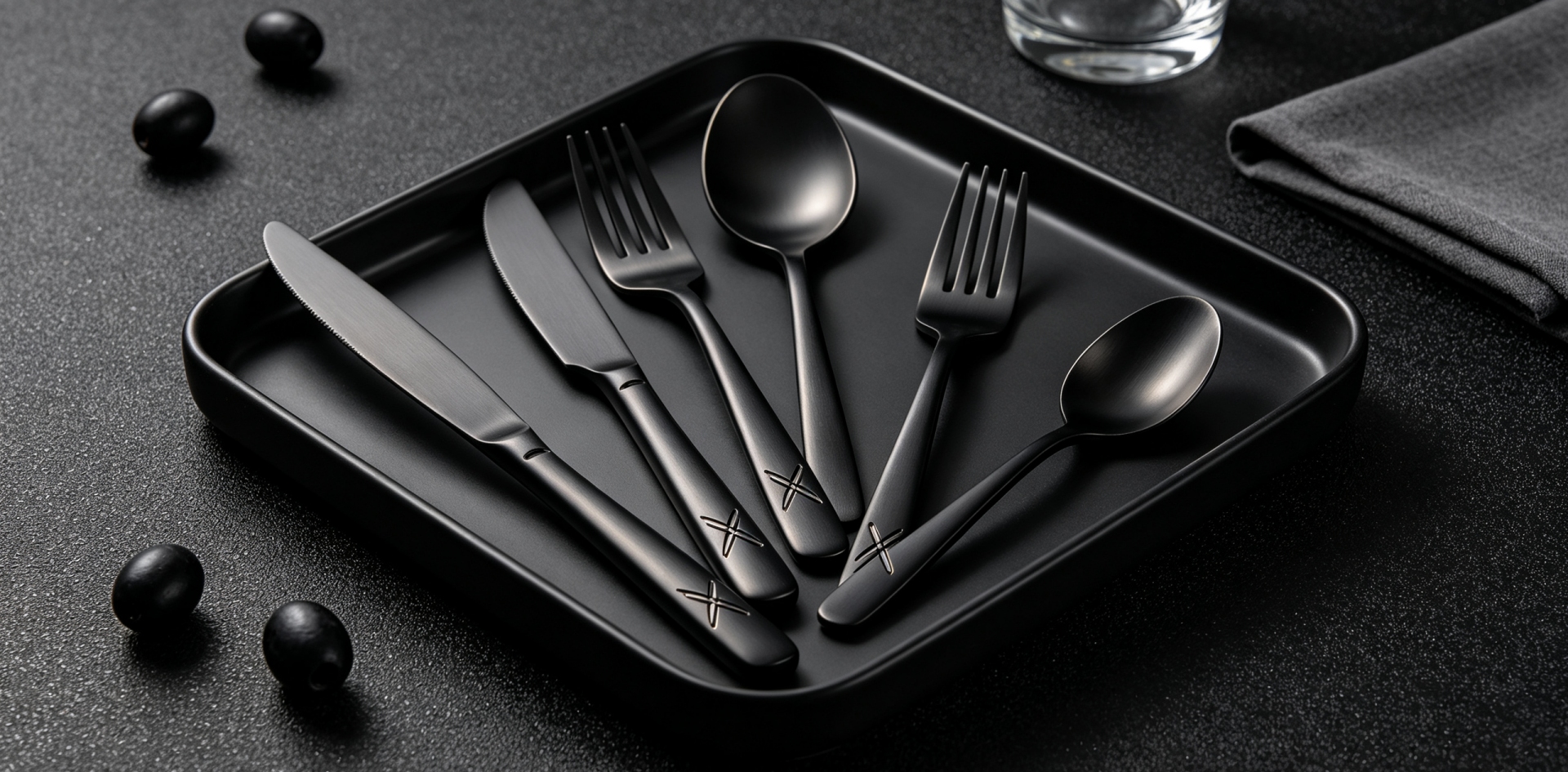
How New Distributors Can Negotiate MOQ for Stainless Steel Cutlery Orders
For a new distributor entering the stainless steel cutlery market, the minimum order quantity (MOQ) can be one of the first challenges when working with a factory. A large initial commitment may put pressure on cash flow, while an order that is too small may not support efficient production or competitive pricing. The goal is to find an order structure that gives the distributor room to test demand while allowing the manufacturer to manage materials, labor, packaging, and production schedules effectively.
Homefelt works with B2B customers looking for stainless steel spoons, forks, knives, and complete flatware sets. When discussing a new wholesale project, buyers can make MOQ negotiations more productive by understanding which product details affect the order quantity and identifying where flexibility may be possible.
Understand What Determines the MOQ
MOQ is not always a single fixed number for every product. It can depend on the cutlery design, steel grade, product dimensions, surface finish, packaging format, logo requirements, and production process.
A standard stainless steel spoon using an existing design may have different order requirements from a newly developed knife with a customized handle shape. Likewise, a regular flatware set using standard packaging may be easier to order in a smaller quantity than a project requiring printed gift boxes, customized inserts, and individual branding.
Before requesting a lower MOQ, buyers should ask the factory what the minimum applies to. It may refer to each individual item, each design, each finish, each packaging configuration, or the complete order. Clarifying this point prevents misunderstandings when a quotation includes multiple SKUs.
Separate Standard Products From Custom Requirements
One practical way to negotiate a manageable first order is to distinguish between standard products and custom-developed items.
For example, a distributor may begin with an existing stainless steel fork, spoon, and knife design, then introduce a custom handle pattern or branded packaging after confirming market demand. Standard dimensions, established tooling, and available production processes may offer more flexibility than a product requiring new molds, specialized decoration, or additional setup.
This does not mean that every standard item can be ordered below the factory's stated MOQ. It means buyers can ask which parts of the project are flexible and which create unavoidable production costs.
Homefelt can discuss OEM, ODM, and private-label requirements with buyers to help define a practical product scope. Sharing reference images, dimensions, finish preferences, and target packaging early makes it easier to identify suitable options.
Consider a Mixed-SKU Order Carefully
New distributors often want to purchase several designs in one shipment to create a broader product range. A mixed-SKU order can be useful, but combining products does not automatically mean that their quantities can be counted toward one shared MOQ.
Different spoon, fork, and knife designs may require separate production setups, material specifications, or finishing arrangements. Customized packaging can introduce another set of minimum requirements.
Buyers should ask whether the factory can combine selected products within one order while maintaining individual minimum quantities. If the MOQ applies per design, a phased assortment may be more realistic than launching ten different styles at once.
A simple planning table can help:
| Order element | Question to confirm |
|---|---|
| Product design | Can existing designs reduce setup requirements? |
| Quantity | Is the MOQ calculated per SKU or across the order? |
| Material | Can different products use the same approved steel grade? |
| Finish | Does each finish require a separate minimum quantity? |
| Branding | Can logo customization be applied to selected items only? |
| Packaging | Is the packaging MOQ separate from the cutlery MOQ? |
The answers provide a clearer basis for comparing possible order structures.
Negotiate Through Total Order Value, Not Quantity Alone
Reducing the number of pieces is not always the most economical solution. Production preparation, packaging setup, inspection, and order administration may represent costs that are spread across the total quantity. As a result, a smaller order can have a higher unit price.
Instead of asking only for a lower MOQ, distributors can request quotations for two or three realistic quantity levels. Comparing these options shows how unit pricing changes as the order grows.
For example, a buyer might compare an introductory order with a standard wholesale quantity and a larger replenishment quantity. The factory can explain whether the price difference comes from production efficiency, material purchasing, packaging, or another cost factor. Buyers should evaluate the total investment, inventory exposure, and expected selling speed rather than choosing the lowest unit price automatically.
Use a Phased Purchasing Plan
A phased purchasing plan can help a new distributor balance market testing with manufacturing efficiency. The first order may focus on a small number of core products, followed by a larger replenishment order once sales results become clearer.
Before production begins, the buyer and supplier should agree on which specifications remain unchanged across phases. These may include steel grade, thickness, dimensions, handle design, finish, logo position, and packaging requirements.
Consistency is particularly important when a distributor plans to reorder the same stainless steel flatware. If the product specifications change between orders, the second batch may not match the first batch closely enough for retail presentation or customer expectations.
A future order plan can also help the factory understand whether the initial order is part of a longer-term distribution program. However, projected quantities should be presented honestly and should not be treated as guaranteed purchases unless both parties formally agree.
Discuss Packaging Minimums Separately
Packaging can be a major consideration when negotiating MOQ for branded cutlery. Plain protective packaging, standard cartons, custom printed boxes, and premium gift packaging may each have different purchasing or setup requirements.
A distributor who needs branded packaging for a retail launch can ask whether the first shipment can use a standard box with a customized label, provided the format meets the market's requirements. A fully printed package can be introduced when demand is more predictable.
The decision should consider the intended sales channel. Wholesale cartons for a commercial buyer have different priorities from gift boxes for retail customers. Packaging should protect the product during transportation, identify the correct SKU, and present the brand appropriately.
Homefelt offers coordinated support for product design, packaging, and transportation planning, allowing buyers to discuss these requirements as part of the wider order rather than treating them as unrelated tasks.
Confirm the Negotiated Terms in Writing
Once both parties agree on a workable MOQ, record the details in the quotation, purchase order, or approved specification documents. The agreement should identify the exact product codes, quantities, materials, finishes, logo requirements, packaging format, unit prices, and applicable production schedule.
If a lower MOQ is available only for the first order, clarify whether repeat orders will use the same minimum. Also confirm whether any special price or packaging arrangement depends on a future quantity commitment.
For products that require new tooling or custom packaging, clarify the related costs and ownership arrangements before authorizing production. Clear written terms help the distributor compare quotations fairly and reduce the risk of disagreement after the order has entered production.
What New Distributors Should Prepare Before Contacting a Factory
A focused inquiry is more useful than a general request for the lowest possible MOQ. Buyers should prepare the expected product range, approximate quantities, target market, preferred steel grade if known, surface finish, logo requirements, packaging expectations, and desired delivery schedule.
If some details remain undecided, identify them as open questions rather than presenting assumptions as final specifications. A factory can then recommend existing products or customization options that fit the distributor's initial budget and business plan.
Homefelt supports B2B buyers seeking stainless steel cutlery for wholesale distribution, OEM and ODM projects, and private-label programs. With clear product requirements and realistic quantity expectations, both sides can work toward an order structure that supports quality control, commercial viability, and future growth.
To discuss your product range, target MOQ, or a customized flatware project, contact Homefelt at ingrid@homefelt.net. Share your preferred spoon, fork, and knife designs, estimated quantities, and packaging needs to request a tailored quotation.
You May Be Interested In
How to Plan Joint Marketing Activities for Stainless Steel Cutlery Distributors
How to Improve Time Zone Communication in Stainless Steel Cutlery B2B Orders
Related Article