
Stainless Steel Cutlery Price Tiers for B2B Product Lines
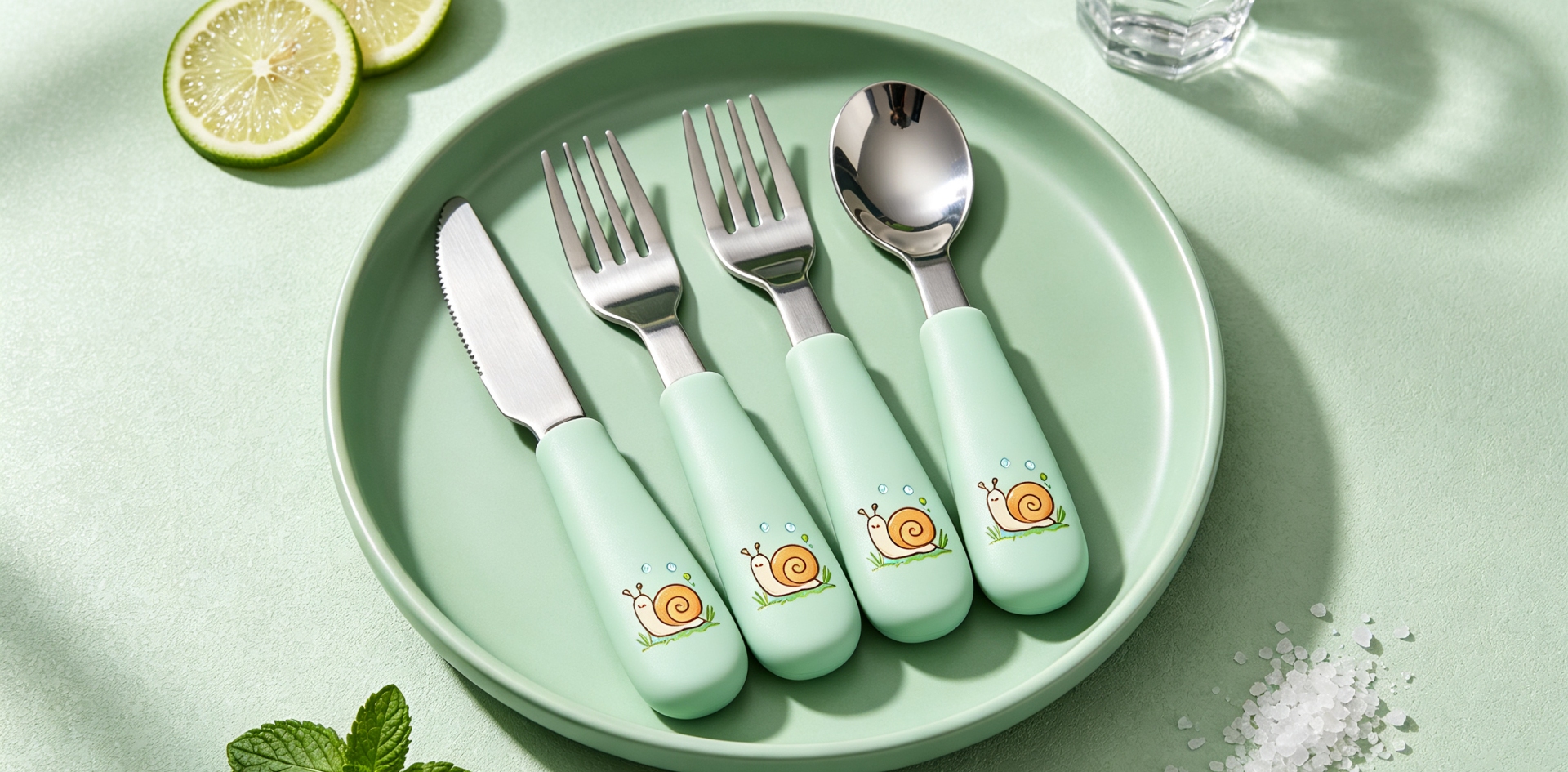
Stainless Steel Cutlery Price Tiers for B2B Product Lines
A stainless steel cutlery collection does not always need to target only one price level.
For brands, wholesalers and distributors, offering several product levels can make it possible to serve different customers while keeping a recognizable product identity.
One collection might include a practical everyday range, a more refined mid-level range and a higher-end line with additional design or finishing details.
For B2B buyers, the challenge is making these different levels commercially meaningful without creating an unnecessarily complicated product structure.
This is where a clear price-tier strategy can help.
What Is a Cutlery Price Tier?
A price tier is a defined product level within a broader product range.
The products in each tier may differ in material specifications, weight, finishing, construction, design details or packaging, depending on the brand's positioning.
The purpose is not simply to make one product more expensive than another.
Each tier should have a clear reason for its position in the range.
For example, a basic wholesale collection may focus on practical specifications and efficient production, while a premium collection may place greater emphasis on distinctive design, finishing or presentation.
Why B2B Brands Use Multiple Tiers
Different customers have different purchasing requirements.
A distributor serving foodservice customers may need a practical stainless steel cutlery range with competitive pricing and reliable supply.
The same distributor may also have retail customers looking for a more visually distinctive flatware collection.
If every product is developed at the same specification level, the brand may have difficulty covering these different requirements.
Multiple tiers provide another way to structure the product range.
Instead of developing completely unrelated products for every customer segment, the brand can create several clearly defined levels within one broader stainless steel cutlery program.
Keeping the Collection Visually Connected
Although different price tiers can have different specifications, they do not necessarily need to look unrelated.
A brand may use a common design language across several levels.
For example, the handle shape can follow a similar visual direction while the different tiers use different finishing details or construction specifications.
This creates a stronger relationship between the products.
For private label brands, a coordinated appearance can also make the overall collection easier for customers to recognize.
The goal is to create meaningful differences without making the range look fragmented.
Material and Construction
Material and construction can influence the position of a stainless steel cutlery product within a B2B range.
A buyer may choose different material specifications or product thicknesses depending on the target application and cost structure.
Weight can also be considered when developing different product levels.
A lighter product may be appropriate for one commercial application, while a heavier construction may be preferred for another.
The exact specifications should be determined according to the intended market and product requirements rather than assuming that heavier automatically means better.
Finishing Differences
Surface finishing can also create differentiation between price tiers.
A practical wholesale range may use a straightforward polished or satin finish, while a higher-level collection may include a more distinctive surface treatment.
For colored stainless steel cutlery, the finish can become an additional visual feature.
The important point is that the finishing difference should provide a clear commercial reason for the price difference.
For B2B buyers, this makes the range easier to explain to distributors, retailers and end customers.
Design Details as a Differentiator
Small design details can also help separate product levels.
A basic cutlery collection may use a relatively simple handle profile, while a higher-level product could feature a more distinctive shape or additional design elements.
This does not necessarily mean that every premium product needs to be highly decorative.
For many brands, a subtle difference in proportions, surface treatment or handle design can be enough to create a different market position.
The manufacturer should evaluate these design requirements together with production feasibility and expected volume.
Packaging and Product Presentation
Packaging can also contribute to the distinction between price tiers.
A wholesale-oriented product may use efficient bulk packaging, while a retail-focused collection may require individual presentation or branded packaging.
The packaging should support the commercial role of the product without creating unnecessary costs.
For private label brands, packaging can be developed as part of the overall product program.
This allows the product, packaging and brand presentation to communicate the intended market position together.
Avoiding Too Many Product Levels
Although multiple tiers can be useful, too many levels can make a product range difficult to manage.
If two products have almost identical specifications and appearance, customers may not understand why they belong to different price levels.
The purchasing team may also have difficulty deciding which SKU should be offered to a particular customer.
A smaller number of clearly differentiated tiers can therefore be easier to manage.
Each level should have a clear target customer, product specification and commercial purpose.
Building Tiers Around Customer Requirements
A practical way to develop price tiers is to start with the customer's needs rather than the desired selling price.
For example, a foodservice distributor may prioritize durability, practical design and cost efficiency.
A retail brand may place more emphasis on appearance, packaging and collection design.
A hospitality project may have another set of requirements.
Understanding these needs first can help the buyer decide which specifications are actually necessary for each tier.
This approach avoids adding expensive features that do not create meaningful value for the intended customer.
OEM Manufacturing for Different Price Levels
OEM manufacturing gives B2B brands more flexibility when developing multiple product tiers.
Instead of selecting only standard products from a catalog, the buyer can discuss the specifications required for each level.
The manufacturer can then review material, dimensions, weight, finishing, design and production requirements.
Homefelt factory supports OEM, ODM and private label manufacturing for stainless steel knives, forks, spoons and complete flatware sets.
For a brand developing several price levels, the factory can discuss the product requirements for each range and determine suitable production solutions.
This can be particularly useful when the buyer wants the products to share a common design language while having different technical or visual specifications.
Managing Multiple Tiers in One Collection
Once several tiers have been developed, each product should have a clear product reference and specification.
This helps the purchasing team distinguish the products and prevents similar items from being confused during quotation and ordering.
For example, a brand could have an everyday collection and a premium collection using related handle designs.
The two products should still have separate references and clearly defined specifications.
This makes future purchasing and repeat production easier to manage.
Planning Quantities for Each Tier
Different price levels may have different sales volumes.
A practical entry-level product could have relatively high demand, while a premium product may sell in smaller quantities.
This difference should be considered when discussing production quantities with the manufacturer.
The buyer can provide estimated demand for each tier so that the factory can understand which products are expected to be high-volume and which are more specialized.
This information can support more realistic quotation and production planning.
Supporting Wholesale and Private Label Programs
For wholesalers and distributors, price-tiered collections can make it easier to offer products to different customer groups.
For private label brands, the same concept can support a broader brand architecture.
The buyer can develop several product levels while maintaining a consistent visual identity.
This allows the brand to expand its stainless steel flatware offering without making every new product completely independent from the existing collection.
A well-structured range can therefore support both product differentiation and brand consistency.
Reviewing a New Price-Tier Structure
Before launching a multi-level cutlery collection, B2B buyers can review several questions:
What customer is each tier designed for?
Which product specifications are different?
Is the visual difference easy to understand?
Does each tier have a clear commercial purpose?
Are the production quantities realistic?
Can the manufacturer maintain the required specifications?
Can the products be reordered consistently?
These questions help ensure that the tiers are based on real purchasing requirements rather than simply adding more SKUs.
Developing a Tiered Stainless Steel Cutlery Collection
For brands planning a new stainless steel cutlery program, the process can start with one core collection.
The buyer can identify the main target market and then determine whether additional product levels are needed.
From there, material, construction, finish, design and packaging requirements can be defined for each tier.
Homefelt supports customized stainless steel knives, forks, spoons and flatware sets for international B2B customers.
With OEM, ODM and private label manufacturing capabilities, the factory can work with buyers developing products for wholesale, retail and other commercial applications.
A buyer can provide the target market, preferred design direction, estimated quantities and desired product levels when requesting a quotation.
The manufacturer can then review the requirements and discuss practical options for production.
Making Different Product Levels Work Together
A successful tiered collection does not require every product to be dramatically different.
The strongest structure can often come from a clear relationship between the products.
The entry level may focus on practical specifications, the middle level may add design or finishing value, and the higher level may offer more distinctive features.
The exact structure depends on the brand and market.
What matters is that each product has a clear reason for existing and that the customer can understand the difference between the available options.
For B2B buyers, this can create a more organized stainless steel cutlery program while giving distributors and retailers more flexibility when selecting products for different customers.
Custom Stainless Steel Cutlery Manufacturing
OEM & ODM Stainless Steel Flatware Factory
Private Label Cutlery Collections
Stainless Steel Cutlery Project Confirmation for B2B Orders
Colored Stainless Steel Cutlery Batch Consistency for B2B
Related Article



