
How to Maintain Brand Consistency Across Private Label Stainless Steel Cutlery
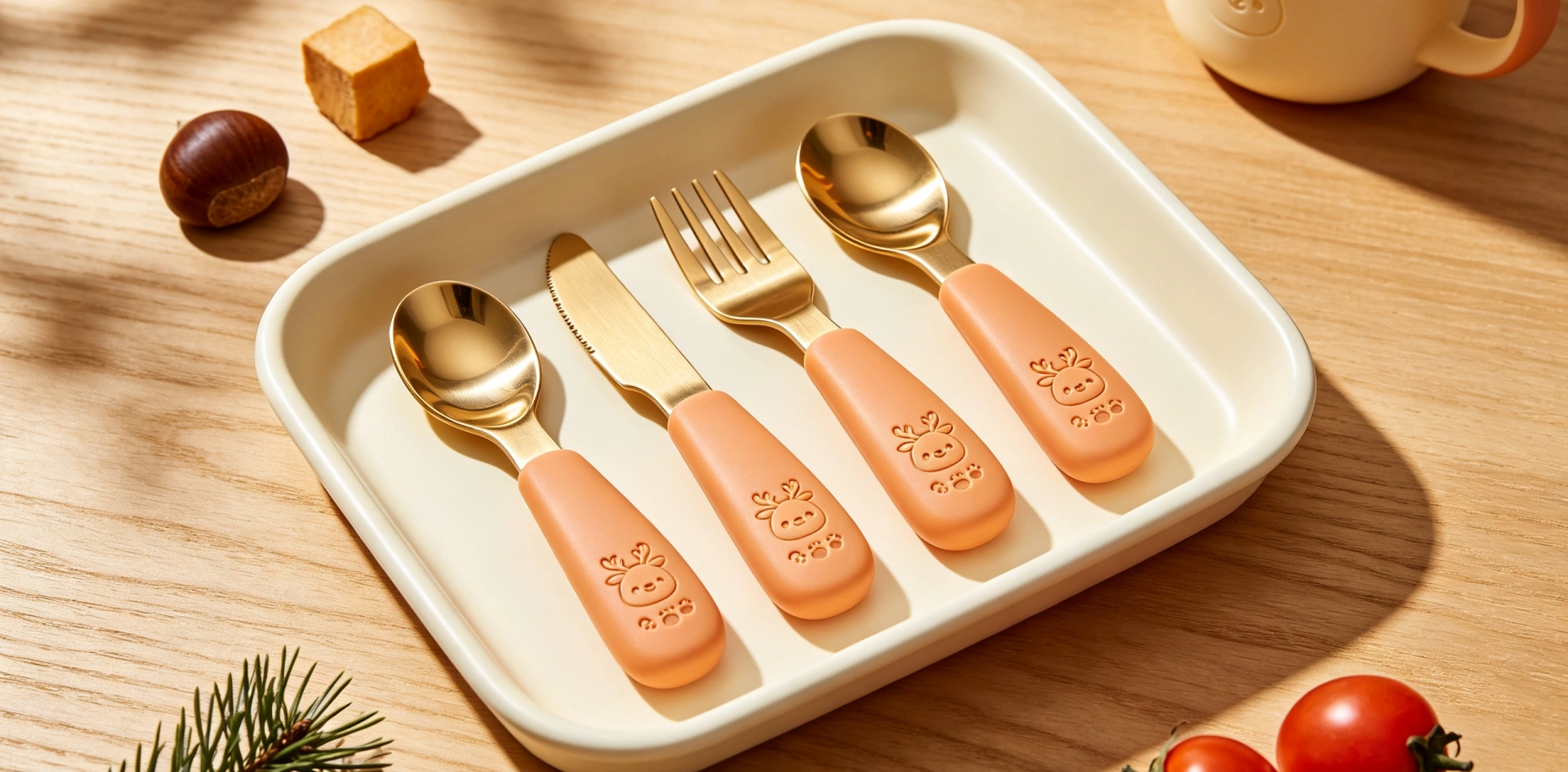
How to Maintain Brand Consistency Across Private Label Stainless Steel Cutlery
For a private-label cutlery brand, consistency is more than using the same logo on every package. Customers also notice the shape of the handles, the finish of the stainless steel, the proportions of each piece, and the way the products are presented across a collection. When these details work together, a brand can build a recognizable identity and offer a more coherent product range.
For importers, distributors, retailers, and hospitality suppliers, maintaining that consistency requires clear specifications and coordinated decisions throughout product development and repeat purchasing. Homefelt factory supports B2B stainless steel knives, forks, spoons, and flatware sets, including OEM/ODM customization, private-label production, wholesale supply, and large-volume orders.
1. Define the Brand's Product Identity Before Customization
Before requesting a customized cutlery collection, buyers should define what the brand needs its products to communicate. A contemporary retail brand may prefer clean lines and a restrained finish, while a premium gifting collection may require more distinctive detailing and carefully coordinated packaging.
The goal is not to make every product identical. It is to establish a consistent design direction that allows different models to belong to the same brand.
A practical brand specification can identify:
-
Preferred handle shapes and design language
-
Stainless steel material requirements
-
Surface finishes and approved color treatments
-
Logo placement and application method
-
Product proportions and key dimensional requirements
-
Packaging style, typography, and brand colors
-
Intended sales channel and customer profile
These choices should be realistic for the selected products, target price, and production requirements. A clear brief also helps the factory distinguish essential brand characteristics from optional design features.
2. Create a Consistent Visual Language Across Cutlery Pieces
A coordinated flatware collection may include dinner forks, dinner spoons, teaspoons, table knives, and serving pieces. Although these items perform different functions, they can share design elements that make the range visually coherent.
For example, a collection might use a common handle contour, a consistent transition between handle and working end, and a matching surface finish. The exact dimensions will naturally vary by product, but the overall design language should remain recognizable.
Buyers should review the collection as a group rather than approving each item in isolation. A fork may look attractive by itself, yet its handle proportions or decorative pattern may feel inconsistent beside the matching spoon and knife.
For customized projects, reference drawings and approved physical samples help communicate the intended relationship between products. The factory can then assess how the selected design features can be applied across the requested range.
3. Standardize Logo Application and Placement
Branding on stainless steel cutlery requires attention to the product's shape, finish, and available space. Depending on the design and production method, a logo may be applied through laser marking or another suitable process.
The brand specification should define the logo artwork, approximate dimensions, position, orientation, and any applicable appearance requirements. Buyers should provide an approved vector file where possible and confirm that the design remains clear at the intended size.
A logo that works well on a broad handle may not fit the same way on a narrow teaspoon handle. Each model should therefore be reviewed individually, even when the same brand mark is used throughout the collection.
The approval process should also establish how the logo is expected to appear on the finished product. The final reference can include sample photographs, physical samples, or agreed technical drawings, depending on the project.
This prevents different suppliers or production batches from interpreting the branding instructions in different ways.
4. Keep Material and Finish Choices Consistent
Material specifications and surface finishes influence both product appearance and purchasing expectations. A private-label range should clearly identify the stainless steel grade specified for each model and any differences between product components.
Mirror-polished cutlery creates a highly reflective surface, while brushed finishes have a more subdued appearance. Decorative treatments or colored finishes may provide additional differentiation, but availability and performance depend on the specific design and process.
A brand should not assume that visually similar finishes will always produce identical results across different models. Product geometry, polishing access, manufacturing methods, and lighting can affect the final appearance.
For a coordinated collection, buyers can establish an approved finish reference and specify which characteristics must remain consistent. Relevant material documentation and product-specific test reports should be reviewed where required by the project.
Homefelt factory can discuss material, finish, and design options according to the requirements of a particular OEM/ODM or private-label order. Final selections should be confirmed against the actual product configuration before mass production.
5. Align Packaging with the Product Identity
Packaging extends the brand experience beyond the cutlery itself. A well-designed box should accurately represent the products inside and use the same approved visual identity as the rest of the collection.
Important details include logo placement, typography, brand colors, product images, set composition, and printed descriptions. Buyers should also ensure that packaging artwork identifies the correct model and number of pieces.
For example, if a brand launches two flatware sets with different contents, the packaging can follow the same design system while using clearly differentiated product information. This maintains visual consistency without making the sets difficult to distinguish.
Artwork should be checked against the approved product sample and packaging specifications before printing. Any changes to the product finish, logo, or set composition should trigger a review of the affected packaging materials.
For international orders, buyers should also confirm the required language, labels, and other market-specific information before approving the final artwork.
6. Use a Controlled Brand Specification File
A brand specification file gives the buyer, designer, factory, and packaging supplier a shared reference. It reduces the risk of inconsistent interpretations as the product range expands.
The file can include the approved logo artwork, color references, product drawings, material specifications, finish references, packaging artwork, and sample photographs. Each document should have a clear version or revision date.
For a multi-model cutlery range, it is useful to separate shared brand rules from model-specific requirements. Shared rules might define the logo's visual proportions and packaging typography, while individual product sheets specify dimensions, handle shapes, and finish details.
When a revision is approved, the buyer should identify which documents have changed and which existing products are affected. Outdated files should not remain mixed with the current production references.
This approach is particularly valuable for distributors managing multiple suppliers or brands with overlapping product styles.
7. Protect Consistency During Repeat Orders
A product that matches its approved sample on the first order should continue to follow the same agreed specifications on repeat orders. Maintaining consistency requires the buyer and factory to retain the correct references and communicate any authorized changes.
Before placing a repeat order, confirm the model number, material, finish, logo details, set composition, and packaging version. If the brand intends to introduce a revision, identify whether it is a minor update or a change that requires new sampling and approval.
A simple comparison against the previous approved reference can help identify unintended differences. Where the project requires formal quality checks, the inspection criteria should include the brand-related characteristics that matter most, such as logo position, surface finish, handle details, and packaging accuracy.
Changes should be recorded rather than introduced informally. This is important when a distributor needs to maintain the same product presentation across several shipments or sales channels.
8. Evaluate Brand Consistency Through Real Customer Feedback
Brand guidelines should support actual customer expectations, not become a set of rules that never changes. Feedback from distributors and end customers can reveal which design features are recognizable, which product details cause confusion, and whether the packaging communicates the collection accurately.
For example, if buyers frequently mistake two similar sets for each other, clearer model identification or a more distinct packaging detail may help. If customers value a particular handle shape, the brand may choose to retain it across future product developments.
Changes should still be evaluated against manufacturing feasibility, product specifications, and the approved design direction. Customer feedback is a useful input, but every revision should be documented and checked before it is applied to bulk production.
A structured approach allows the brand to evolve while retaining the product characteristics that customers already recognize.
You May Be Interested In
How to Prepare Stainless Steel Cutlery Product Photos for Wholesale Catalogs
How to Manage Packaging Artwork Approval for Stainless Steel Cutlery Projects
Related Article



