How to Optimize Stainless Steel Cutlery Assortments for Wholesale Profitability

How to Optimize Stainless Steel Cutlery Assortments for Wholesale Profitability
For stainless steel cutlery wholesalers, a broad product catalog may attract attention, but it does not automatically create a profitable business. Too many similar spoons, forks, knives, and flatware sets can increase inventory complexity, tie up working capital, and make purchasing decisions harder. A carefully planned assortment gives buyers enough choice to serve different customer groups without carrying unnecessary variations.
The objective is not simply to reduce the number of products. It is to understand which items serve a clear commercial purpose, which combinations encourage larger orders, and which products consume resources without contributing enough value. By connecting sales data with product specifications and factory capabilities, distributors can build a more manageable range.
Start With a Clear Assortment Structure
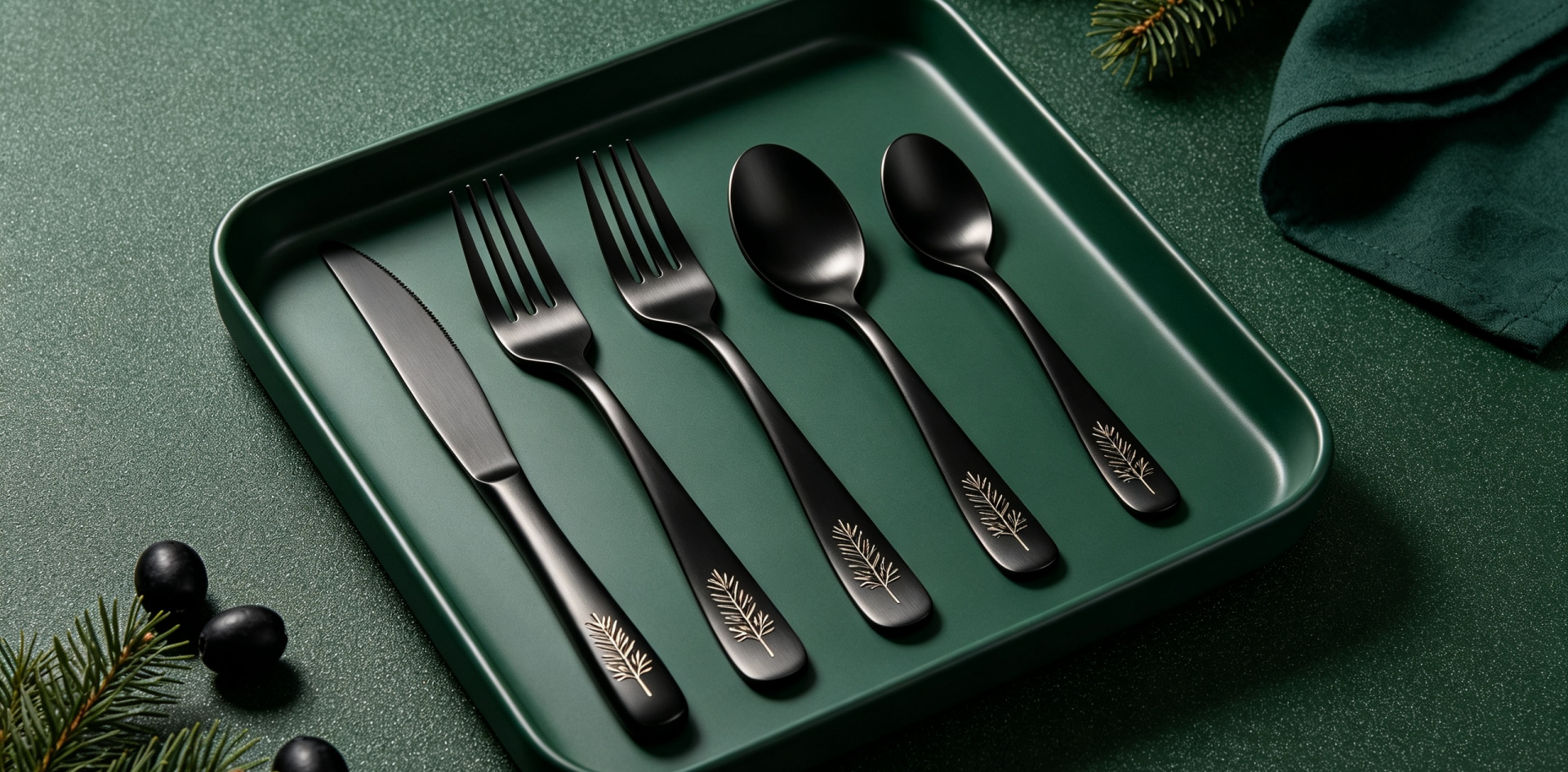
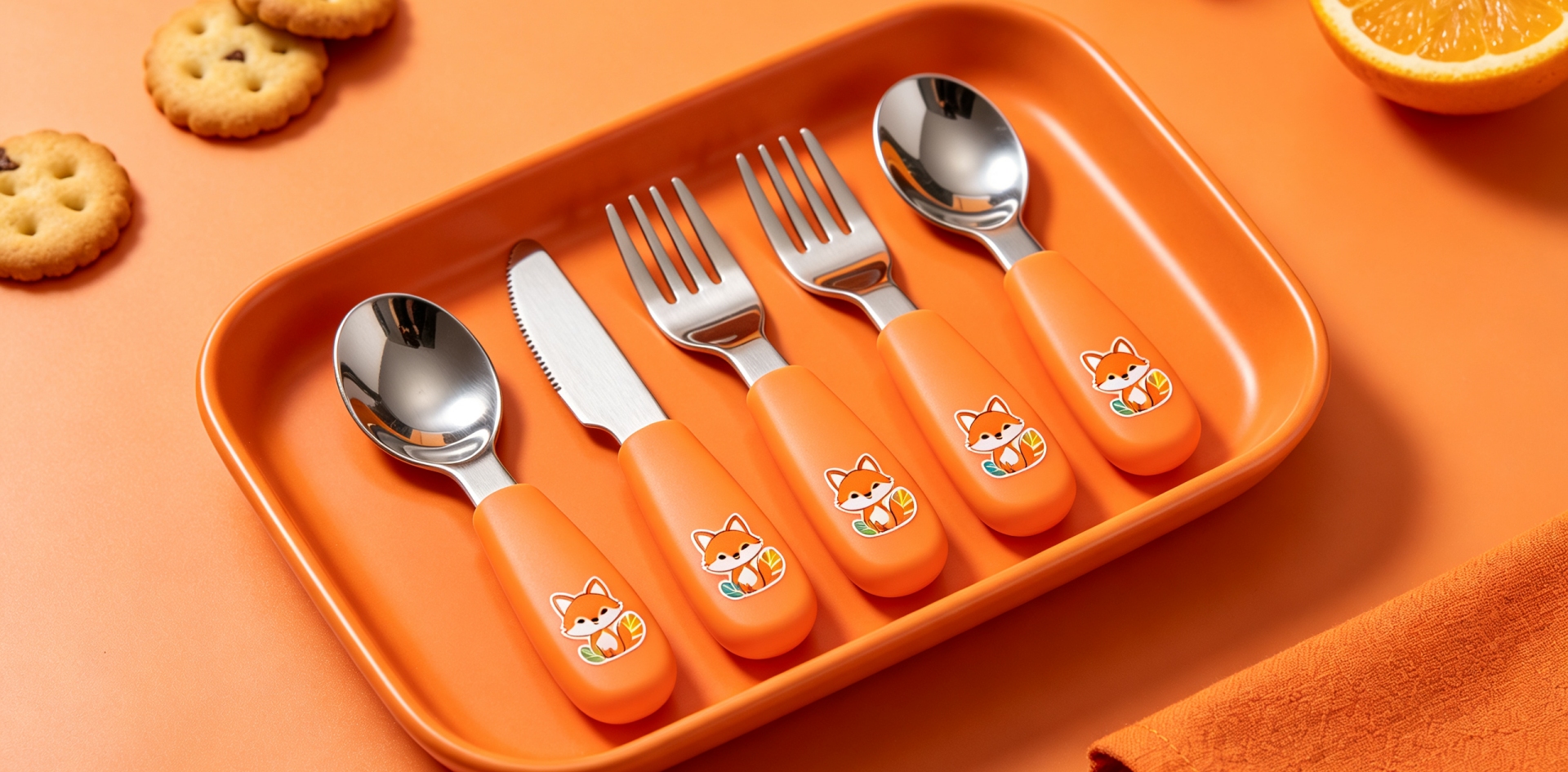
Before reviewing individual SKUs, organize the cutlery range into meaningful product groups. These may include individual spoons, forks, knives, coordinated flatware sets, entry-level products, premium designs, and customized collections.
Each group should have a defined role. A basic stainless steel spoon may serve price-sensitive wholesale customers, while a more decorative flatware set may target gift retailers or private-label brands. Products can overlap in appearance but still serve different customer needs because of their dimensions, finish, packaging, or price point.
Create a product matrix showing each SKU, its key specifications, target customer, sales channel, purchase cost, selling price, and current stock. This gives the team a consistent foundation for evaluating the range.
Avoid classifying products by appearance alone. Two designs that look similar in a catalog may have different production requirements, while products with different shapes may share compatible packaging or belong to the same customer collection.
Evaluate the Commercial Contribution of Each SKU
Sales volume is useful, but it does not tell the entire profitability story. A product with high turnover may require substantial discounts, expensive packaging, or frequent handling. Another item may sell in smaller quantities but generate a stronger contribution per order.
Review several indicators together:
-
Units sold and sales revenue
-
Gross margin or contribution after relevant variable costs
-
Inventory held and time in stock
-
Frequency of customer reorders
-
Returns, damage, and service costs
-
Discounts required to generate sales
-
Production or purchasing constraints
The appropriate cost calculation depends on the business. Importers may need to include freight, insurance, customs-related costs, warehousing, and local distribution expenses when assessing the delivered cost of stainless steel cutlery.
Use consistent assumptions when comparing products. If one SKU is assessed using factory price and another using landed cost, the comparison may lead to the wrong conclusion.
Distinguish Essential Products From Duplicated Choices
Some products remain important even if their individual sales volume is moderate. A stainless steel fork may be needed to complete a set, or a matching knife may be essential for a retailer that sells coordinated tableware.
For this reason, assortment decisions should consider relationships between products, not just standalone performance. Identify which items form a coordinated range, which are commonly purchased together, and which exist mainly as alternatives to nearly identical products.
When several SKUs serve the same customer need at similar prices, test whether all are necessary. Removing a duplicated design can simplify purchasing, reduce stock fragmentation, and make product selection clearer for wholesale customers.
However, do not discontinue an item solely because it appears weak in an aggregated report. Check whether it supports an important account, serves a distinct market, or completes a collection that would otherwise be difficult to sell.
Build Price Tiers With Meaningful Differences
A profitable assortment usually needs clear reasons for customers to choose one product tier over another. Price tiers should reflect identifiable product differences rather than arbitrary price gaps.
For example, buyers may structure a range around practical everyday flatware, upgraded designs with a different handle profile or finish, and premium sets with customized packaging. The exact structure should reflect the target market and the products the factory can consistently supply.
When reviewing each tier, compare the material specification, thickness, weight, workmanship, packaging, branding options, and expected order quantity. Do not imply that a higher price automatically means a better material or longer service life unless the relevant differences can be demonstrated.
Homefelt supports B2B buyers sourcing stainless steel spoons, forks, knives, and complete flatware sets, including OEM, ODM, and private-label projects. Discussing the intended price position early can help buyers identify suitable designs and customization options before finalizing the assortment.
Consider the Operational Cost of Product Variety
Every additional SKU can introduce more than a new product listing. It may require separate purchasing records, stock locations, product photographs, packaging details, quality references, and replenishment decisions.
Custom designs can add further complexity if they require different tooling, logo placement, surface treatment, or packaging. For wholesale buyers, this complexity can affect minimum order quantities, inventory investment, and the time needed to prepare repeat orders.
Review assortment complexity alongside commercial performance. A low-volume product that requires special packaging and dedicated stock may be less attractive than a similar product that can use established components or packaging formats.
Where practical, standardize nonessential details across related products. Consistent carton formats, clearly structured item codes, and shared documentation can make a range easier to manage without forcing every product to look the same.
Use Customer Segments to Guide Selection
Different customer groups value different features. Homeware retailers may prefer attractive coordinated sets and clear retail packaging. Hospitality distributors may prioritize functional designs, consistent specifications, and reliable replenishment. Promotional-product companies may focus on branding and presentation, while importers serving several channels may need a balanced selection.
Review actual customer orders and requests to understand which features justify a place in the assortment. Ask sales teams to record why customers select particular products, what alternatives they compare, and which items frequently appear together in quotations.
Avoid adding a new SKU whenever one customer makes an isolated request. Evaluate whether the requirement is likely to represent a broader opportunity, whether the expected volume supports the cost, and whether an existing product can meet the need.
For customized projects, confirm the design, logo, material, finish, and packaging requirements before committing to development or bulk production.
Plan Assortment Changes Without Creating Supply Gaps
Removing a slow-moving product requires coordination between inventory, sales, and purchasing. Existing stock may still need to be sold through, and some customers may depend on the product for an established collection.
Before discontinuation, review available inventory, open purchase orders, customer commitments, and the availability of replacement products. If a substitute is proposed, compare its specifications and appearance carefully. A visually similar design should not be treated as identical without customer approval.
For products that remain commercially useful but are temporarily underperforming, consider reducing the next purchase quantity rather than removing them immediately. This approach preserves flexibility while limiting further inventory accumulation.
When planning new products, confirm the sample, specification, packaging, production schedule, and initial quantity before making broad sales commitments.
Review Results Regularly
Assortment optimization should be an ongoing process rather than a one-time catalog cleanup. A quarterly review may suit many wholesale businesses, while fast-moving products or highly seasonal ranges may require more frequent analysis.
Compare the latest results with the previous review period and investigate significant changes. Check whether discontinued items reduced complexity, whether remaining products became easier to replenish, and whether customers still find the range complete.
Useful outcomes include improved stock turnover, fewer duplicated SKUs, clearer price tiers, more predictable purchasing, and stronger contribution from the overall range. No single indicator should determine the decision in isolation.
Homefelt works with importers, wholesalers, distributors, and private-label buyers seeking stainless steel cutlery solutions. By aligning product selection with customer requirements, production capabilities, packaging needs, and expected order volumes, buyers can develop assortments that support both market appeal and operational efficiency.
If you are reviewing your wholesale cutlery range or planning a new stainless steel spoon, fork, knife, or flatware collection, contact ingrid@homefelt.net with your target market, preferred product types, estimated quantities, and customization needs to discuss suitable options.
You May Be Interested In
How B2B Buyers Can Verify Factory Capacity for Large Stainless Steel Cutlery Orders
How B2B Buyers Can Review Product Liability Risks for Stainless Steel Cutlery
Related Article