How to Train Sales Teams to Sell Stainless Steel Cutlery More Effectively
How to Train Sales Teams to Sell Stainless Steel Cutlery More Effectively
For distributors, importers, wholesalers, and private-label brands, product knowledge helps sales teams turn a stainless steel cutlery catalogue into useful buying guidance. Customers may ask why two flatware sets with similar appearances have different prices, whether a particular finish suits their market, or how to choose a suitable assortment for their sales channel.
When sales representatives understand the product specifications and the questions buyers need answered, they can recommend options more accurately and reduce avoidable misunderstandings. This is particularly important for OEM and wholesale projects, where a decision about material, dimensions, finish, packaging, or order quantity can affect the final product and commercial terms.
A structured training program should connect product knowledge with real customer conversations rather than relying on memorizing catalogue descriptions.
1. Teach the Main Product Categories First
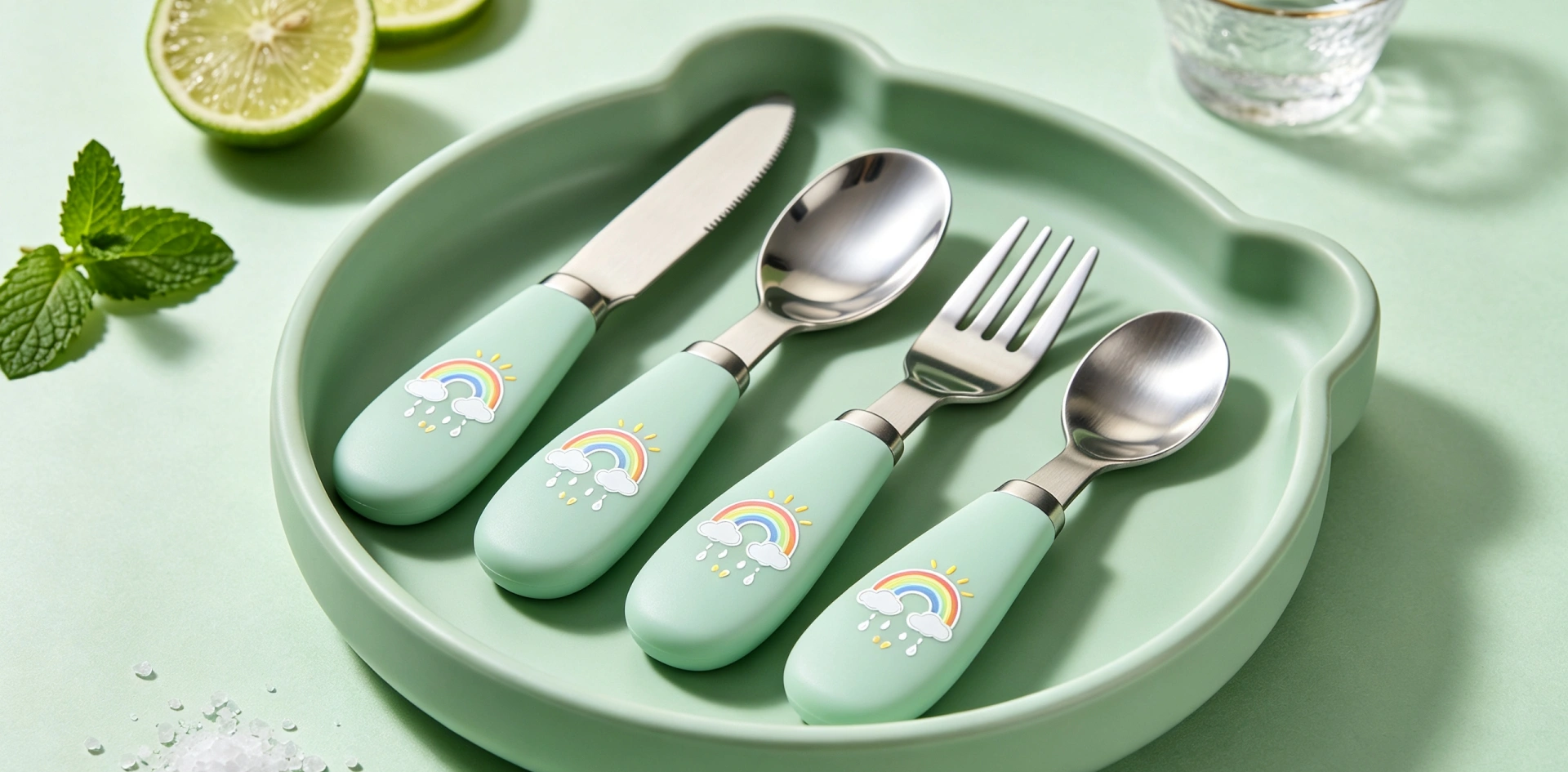
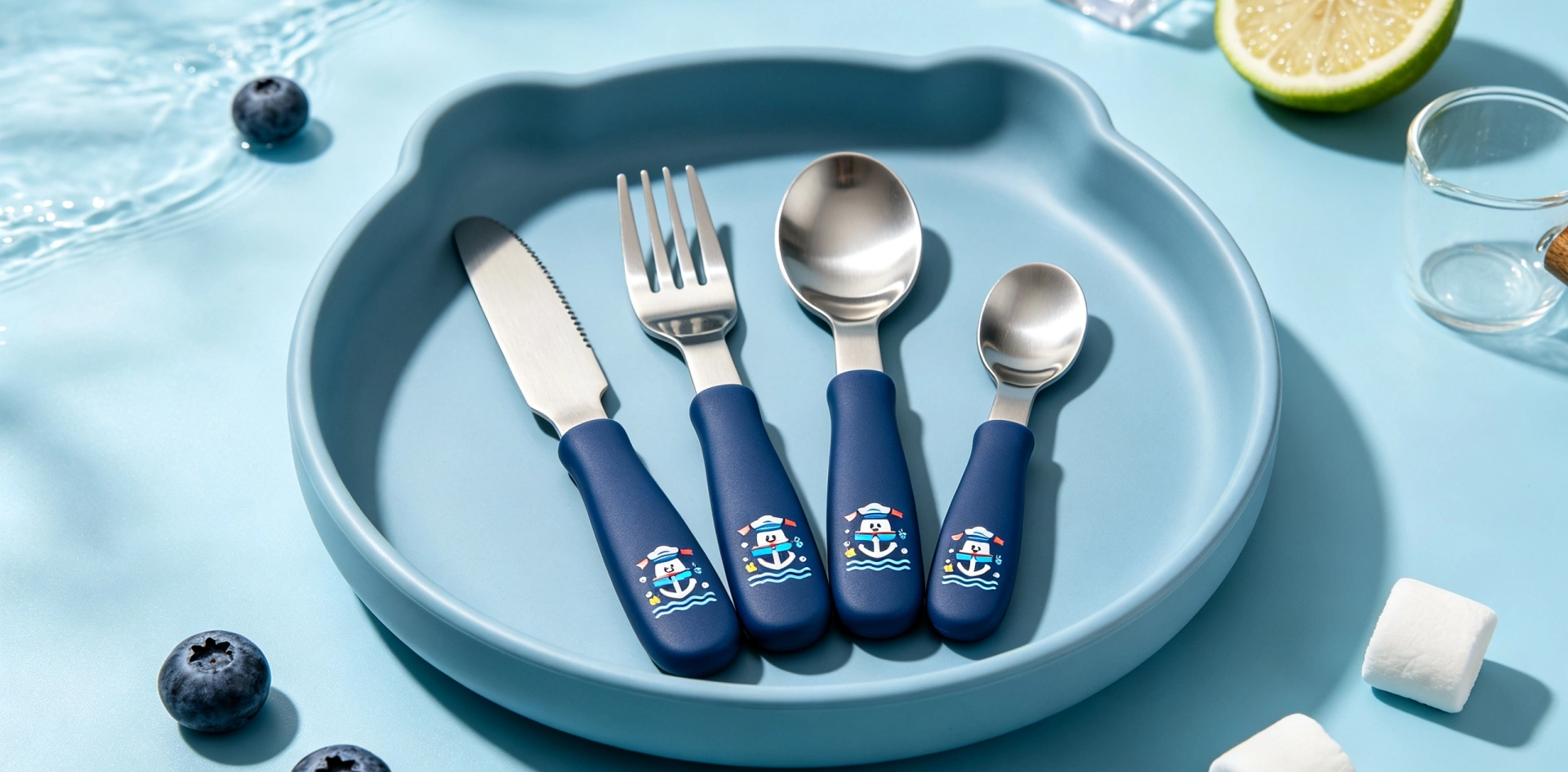
Start by helping sales representatives understand the range of products they are selling. Stainless steel cutlery may include table knives, dinner forks, tablespoons, teaspoons, serving pieces, and complete flatware sets. Products that look similar can differ in size, function, weight, and intended market.
Build a product matrix that identifies each model, its intended use, available sizes, set composition, and packaging format. Use actual samples or approved product photographs so representatives can compare shapes and proportions.
Training should cover common questions such as:
-
Which pieces are included in a particular set?
-
Is the product sold individually or as a set?
-
What dimensions and weights are specified?
-
Which finishes or handle designs are available?
-
What packaging options can be requested?
-
Which details can be customized for a private-label project?
For example, a buyer looking for a retail-ready flatware set may care most about the assortment and presentation, while a commercial distributor may focus more on durability expectations, replenishment needs, and cost per unit. Sales staff should learn to identify the customer's priorities before suggesting a model.
2. Explain Materials and Specifications Accurately
Sales teams need to understand technical information without overstating what it proves. A product specification sheet should be the primary reference for material grade, thickness, dimensions, weight, finish, and other agreed attributes.
Explain each parameter in practical terms. Thickness describes a measured dimension and should not be treated as a complete measure of product quality. Weight may affect how a piece feels in the hand, but heavier cutlery is not automatically better for every buyer. Material grade should be verified against the approved specification rather than inferred from appearance.
Representatives should also know which questions require confirmation from the factory or technical team. If a customer asks about a specific test result, material composition, or performance claim, the salesperson should refer to the appropriate documentation instead of improvising an answer.
Homefelt factory can support B2B discussions with agreed product specifications and available supporting documents for relevant products. Training materials should distinguish verified product information from general descriptions and clearly identify details that need confirmation for a particular order.
3. Help Representatives Compare Finishes and Designs
Appearance is often an important part of cutlery purchasing, especially for retailers and private-label brands. Polished, matte, colored, or other decorative finishes may create different visual effects and fit different brand positions.
Sales representatives should learn to describe finishes consistently and explain their practical considerations. For instance, a highly reflective surface may suit a premium-looking retail presentation, while a matte appearance may align with a more understated collection. The suitability of a finish depends on the customer's design brief, price positioning, intended use, and care expectations.
Use a comparison sheet containing actual product photographs, finish names, available options, and any relevant limitations. If a finish requires a particular production process or has specific care considerations, provide only information confirmed by the factory.
Avoid promising that a particular finish will never scratch, discolor, or show wear. Product performance depends on materials, finishing, usage, cleaning, and other conditions. Sales teams should communicate documented characteristics and explain any relevant limitations clearly.
4. Connect Product Features with Customer Needs
Effective training teaches sales representatives how to ask questions before making recommendations. A buyer's business model often matters as much as the product's appearance.
Useful discovery questions include:
-
Which sales channel will the cutlery serve?
-
What price range and product positioning are required?
-
Does the customer need individual pieces or complete sets?
-
Are there specific material, dimension, or finish requirements?
-
Is branded retail packaging necessary?
-
What order quantity and replenishment pattern are expected?
-
Which destination market and documentation requirements apply?
A distributor serving homeware retailers may prioritize packaging presentation and product variety. A wholesaler supplying large accounts may focus on consistent specifications, carton configuration, and repeat-order coordination.
The purpose is not to push every customer toward the same model. It is to match the available product range and customization options to the buyer's actual requirements.
5. Prepare a Reliable Answer Library for Common Questions
Sales representatives frequently receive similar questions about stainless steel cutlery. A shared answer library helps keep responses consistent across different team members and markets.
Organize the library by topic, including materials, dimensions, finish options, customization, packaging, minimum order requirements, sample procedures, lead times, and available documentation. Each answer should indicate whether it is a standard product fact or something that depends on the individual order.
For example, questions about logo placement may be answered using approved customization options, while questions about production timing should be confirmed against current capacity, materials, and order details.
Review the answer library whenever specifications or available options change. Remove outdated documents and assign responsibility for updating the information. This prevents sales staff from quoting old dimensions or promising a packaging option that is no longer available.
6. Train Teams on OEM, ODM, and Private-Label Projects
Customized cutlery projects require more coordination than standard catalogue sales. Sales representatives should understand the difference between selecting an existing model, modifying an available design, and developing a product according to a customer's brief.
For each inquiry, the team should gather the information needed to assess feasibility, such as reference images, dimensions, material expectations, logo artwork, finish preferences, packaging concepts, target quantity, and destination market.
Representatives should also explain the approval sequence. Product specifications, samples, branding, and packaging may each require separate confirmation before bulk production. Any changes after approval should be documented and assessed for possible effects on cost or schedule.
Homefelt factory provides stainless steel cutlery customization, OEM/ODM support, wholesale supply, and private-label production coordination. Sales teams can use the factory's approved product information to explain available options while referring special requests to the appropriate contact for confirmation.
7. Use Practical Exercises and Product Comparisons
Training becomes more effective when representatives apply what they learn. Instead of relying entirely on presentations, create short exercises based on realistic customer inquiries.
One exercise might ask a salesperson to compare two cutlery sets with different dimensions, finishes, and packaging. The representative should explain the differences using approved specifications, identify missing information, and recommend questions to ask the buyer.
Another exercise could simulate a private-label inquiry. The salesperson gathers the customer's product requirements, records the expected quantity, checks branding needs, and prepares a list of details that must be confirmed before quotation.
Managers can assess whether the representative communicates accurately, identifies technical questions, and avoids unsupported claims. Feedback should focus on improving customer understanding rather than memorizing sales scripts.
8. Measure Whether Training Improves Sales Performance
A training program should have practical objectives. Businesses can review whether representatives prepare more complete inquiries, reduce specification errors, improve quotation accuracy, and coordinate approvals more consistently.
Possible indicators include the completeness of customer requirement records, the frequency of quotation revisions caused by missing information, the number of avoidable product-description errors, and feedback from customers or sales managers.
These measures should be interpreted carefully. Order conversion depends on many factors beyond product knowledge, including pricing, demand, timing, and the customer's purchasing process. Training results are most useful when reviewed alongside those factors.
Refresh training when new cutlery models, finishes, packaging formats, or market requirements are introduced. A maintained product knowledge system supports both new sales employees and experienced representatives handling more complex B2B projects.
You May Be Interested In
How to Calculate Landed Costs for Stainless Steel Cutlery Import Orders
Related Article