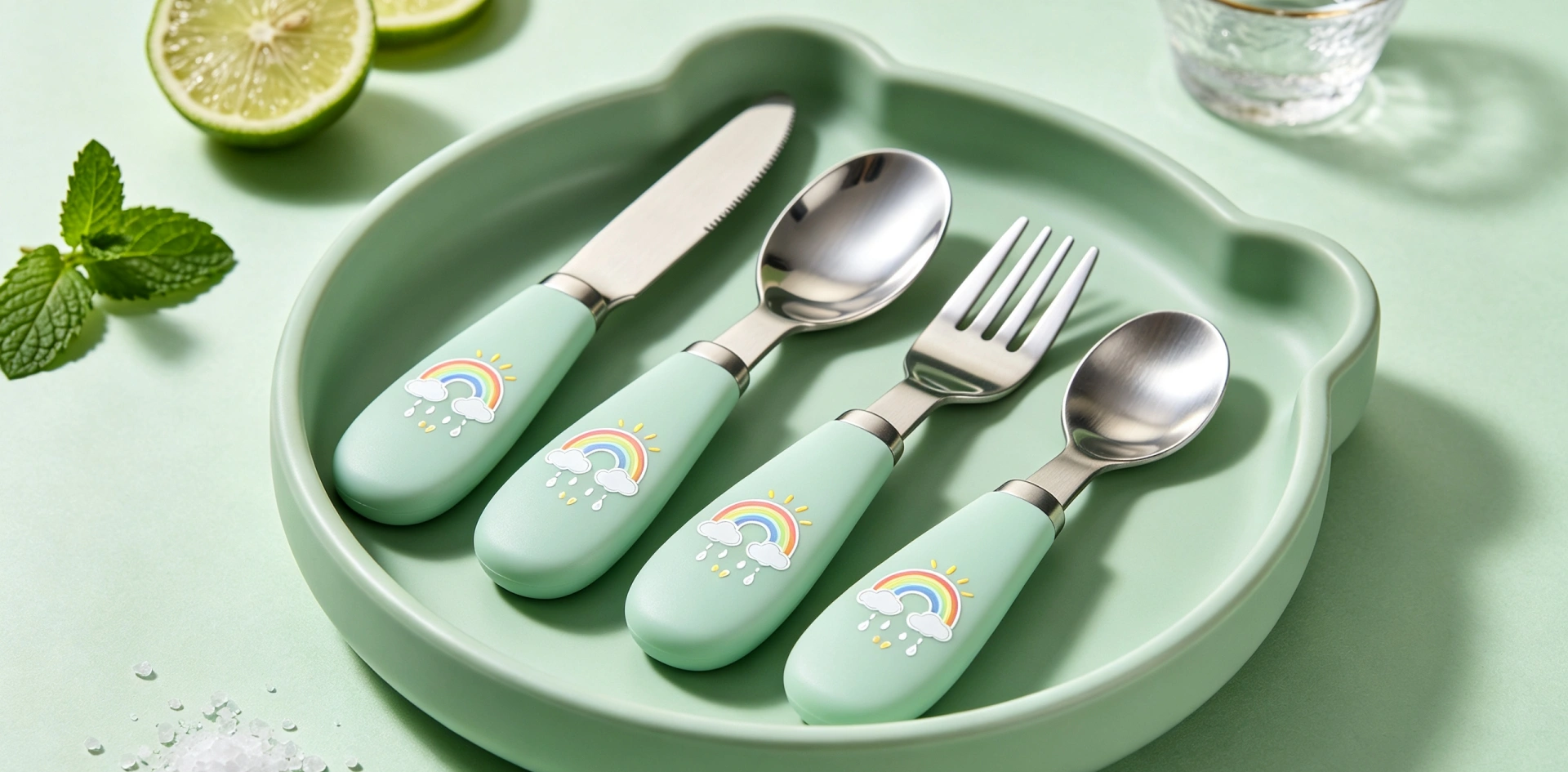
How to Choose Sustainable Packaging for Stainless Steel Cutlery Export Orders
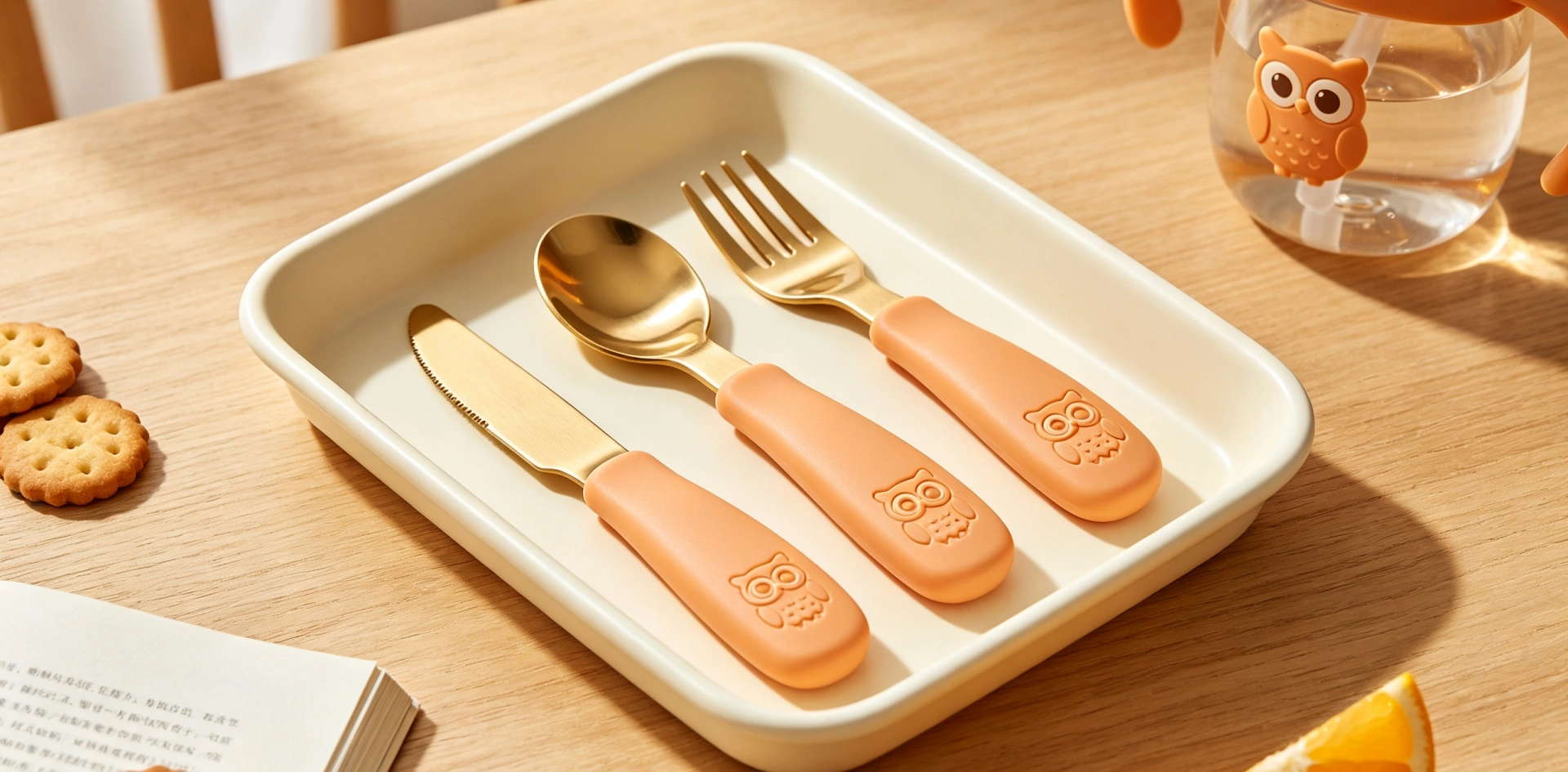
How to Choose Sustainable Packaging for Stainless Steel Cutlery Export Orders
Sustainable packaging is becoming an important consideration for importers, wholesalers, retailers, and private-label brands sourcing stainless steel cutlery. Buyers want packaging that presents knives, forks, and spoons professionally while reducing unnecessary material use and supporting their company's environmental objectives.
However, changing packaging materials is not simply a matter of replacing plastic with paper. A successful solution must protect polished metal surfaces, keep each cutlery set organized, withstand international transportation, and meet the buyer's retail requirements. For large-volume orders, packaging decisions can also influence carton dimensions, warehouse handling, and total shipping costs.
Homefelt factory works with B2B customers on stainless steel cutlery customization, OEM/ODM projects, wholesale orders, and packaging coordination. By defining packaging requirements early, buyers can evaluate sustainability goals alongside product protection and commercial practicality.
1. Define What Sustainable Packaging Means for Your Market
Before choosing materials, identify the objective behind the packaging change. Different buyers may prioritize different outcomes, including reducing virgin plastic, increasing recycled content, improving recyclability, reducing package weight, or eliminating unnecessary layers.
These objectives are related but not identical. A package containing recycled material is not automatically recyclable in every market. Similarly, a lightweight package may reduce material consumption but could require additional protection if it does not adequately protect the products.
Ask the retail customer or distribution partner which requirements are mandatory and which are preferred. Confirm whether the target market has specific packaging rules, labeling expectations, or restrictions on particular materials.
A written packaging brief should identify the intended material goals, sales channel, target market, presentation requirements, and any claims that may appear on the package. This gives the factory a clear basis for proposing alternatives.
2. Compare Packaging Materials for Cutlery Protection
Stainless steel cutlery has a hard surface that can become scratched when pieces rub against one another during handling and transportation. Packaging must therefore do more than contain the products; it should control movement and separate vulnerable surfaces.
Common material options include:
-
Paperboard sleeves and dividers for separating individual pieces
-
Recycled-content paperboard boxes where suitable strength and print quality can be achieved
-
Molded fiber inserts for organizing selected product configurations
-
Paper-based wrapping for protecting pieces during packing and transport
-
Reusable or recyclable transport packaging where the supply chain supports its return or recovery
Each option has trade-offs. Paper-based components may support a reduction in plastic use, but their performance depends on thickness, structure, moisture exposure, and the weight of the packaged cutlery.
For a polished flatware set, individual separators may be necessary to prevent forks and spoons from rubbing against each other. For heavier products or complex sets, a stronger insert or reinforced outer box may be more practical than a thin paper sleeve alone.
The appropriate choice should be confirmed through packaging samples and handling tests rather than material descriptions alone.
3. Evaluate the Complete Packaging System
Retail packaging should be assessed as a complete system, from the individual spoon to the master carton. Replacing one component without reviewing the other layers can create unexpected problems.
For example, removing a plastic inner tray may reduce plastic content but leave a 24-piece cutlery set less stable inside its retail box. Pieces could shift during transport, causing surface marks or damage to the package. A redesigned paperboard insert may solve the problem, but its fit and strength should be verified before mass production.
Review the following elements together:
-
Individual piece protection
-
Internal dividers and inserts
-
Retail box strength and closure
-
Master-carton arrangement
-
Pallet stability and transport protection
-
Storage and handling requirements
Where possible, compare the original package and the proposed alternative using the same product configuration and handling conditions. Record any changes in damaged-piece rates, packaging integrity, and packing efficiency over actual shipments.
4. Consider Packaging Weight and Shipping Efficiency
Packaging affects more than environmental positioning. It also influences the dimensions and weight of export cartons, the number of retail units that fit into each master carton, and the way goods are arranged for transport.
A lighter package may reduce material consumption, but it should not compromise protection. An overly large package can waste space, while an overly tight design may damage retail boxes or make packing slower.
Ask the factory to provide the proposed retail-box dimensions, master-carton dimensions, units per carton, and gross weight for the revised design. Compare these values with the existing package and consider how they affect storage, pallet arrangement, and the planned shipping method.
For a wholesale cutlery project, a modest packaging redesign may improve carton utilization across a large order. The actual benefit depends on the product size, carton structure, transport arrangement, and applicable freight calculation.
5. Verify Recyclability and Environmental Claims
Environmental statements on packaging should be accurate, specific, and supported by suitable evidence. Terms such as “recyclable,” “recycled content,” and “plastic-free” describe different characteristics and should not be used interchangeably.
Before approving artwork, confirm the material composition with the packaging supplier. Check whether coatings, laminations, adhesives, windows, or mixed-material components affect local recycling options. A paper box with a plastic window, for example, may be handled differently from an all-paper package.
Buyers should also confirm whether a claim applies to the entire package or only to one component. If a recycled-content percentage is displayed, retain documentation supporting the stated figure. If recyclability depends on local collection systems, avoid implying that the package can be recycled everywhere.
Requirements for environmental marketing claims differ by jurisdiction and can change over time. Retailers and importers should review the applicable market rules and obtain professional advice where necessary before approving environmental claims.
6. Balance Appearance, Branding, and Material Use
For private-label cutlery, packaging communicates product quality and brand identity. Sustainable packaging should therefore preserve essential information and a professional presentation while avoiding unnecessary layers or decorative components.
A clean paperboard design may suit some retail ranges, while gift-oriented flatware sets may require a more structured box. Both can be assessed against material use, product protection, printing needs, and the expectations of the intended customer.
Review logo placement, product descriptions, barcode visibility, language requirements, and care information as part of the packaging artwork. Keep important labels readable and ensure that the approved design matches the actual product configuration.
Homefelt factory can coordinate customized packaging with cutlery design and production requirements. Buyers should provide their branding guidelines, packaging objectives, target market, and preferred materials so the proposed design can be evaluated before bulk manufacturing.
7. Test Before Committing to Large-Volume Production
A packaging concept that looks attractive on screen may not perform as expected during packing or transportation. Before approving a large order, request a physical packaging sample containing the actual cutlery or a representative product configuration.
Evaluate whether pieces remain separated, the box closes securely, the insert holds the products in place, and the package can withstand the expected handling conditions. Where appropriate, conduct agreed drop, vibration, compression, or distribution tests based on the packaging and shipping risks.
Also review assembly time and material consistency. A design that requires complex manual folding or difficult insertion may increase packing time across a large production run.
Keep the approved sample, material specifications, artwork version, and test results as the reference for production. Any later substitution should be reviewed to ensure that it does not undermine the original packaging objectives.
8. Build a Practical Packaging Improvement Plan
Sustainable packaging decisions work best when buyers use clear criteria instead of relying on a single environmental label. A practical comparison can include material composition, protection performance, packaging weight, carton efficiency, retail appearance, cost, and evidence supporting environmental claims.
For example, a distributor changing from a plastic tray to a paper-based insert could first test one cutlery model, inspect the products after simulated handling, and compare carton dimensions before extending the design to other models. This staged approach helps identify problems before the change affects an entire wholesale order.
Homefelt factory supports OEM/ODM stainless steel cutlery projects, custom branding, packaging coordination, and bulk production. Buyers can discuss product design, packaging material options, and transportation requirements through a coordinated service process. Final material claims and market-specific requirements should be confirmed using the relevant supplier documentation and local rules.
You May Be Interested In
How to Prepare Multilingual Labels for Stainless Steel Cutlery Export Markets
How to Set Service-Level Agreements with a Stainless Steel Cutlery Supplier
Related Article