
Stainless Steel Cutlery Project Communication for B2B Buyers
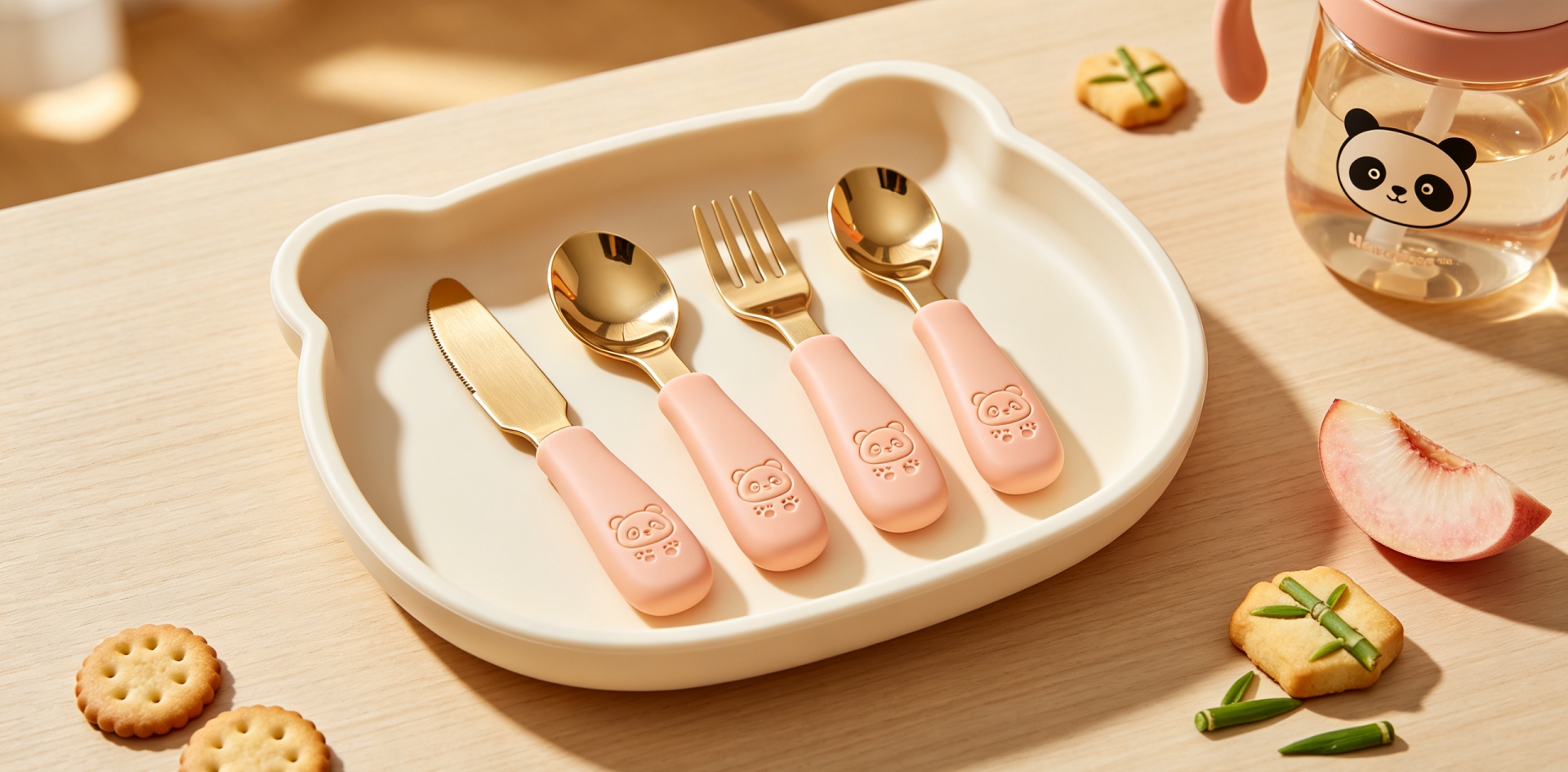
Stainless Steel Cutlery Project Communication for B2B Buyers
A successful stainless steel cutlery project depends on more than product design and manufacturing capability. Clear communication between the buyer and factory is equally important, especially when the project involves customization, OEM, ODM or private label production.
A B2B cutlery project can involve several people on both sides. Purchasing teams may discuss commercial requirements, designers may provide product references, and production teams may need technical information before manufacturing begins.
When communication is organized from the beginning, it becomes easier for everyone to understand what needs to happen next.
Why Communication Matters in Custom Cutlery Projects
A standard catalog order may require only a limited amount of discussion. A custom stainless steel flatware project is usually more detailed.
The buyer may have a product concept, existing sample, brand requirement or target market in mind. The manufacturer then needs to translate that information into a practical production plan.
During this process, questions can arise about design details, material, finish, branding, product combinations and manufacturing requirements.
If these questions are handled through scattered messages without a clear structure, important information can be missed.
A simple communication process helps keep the project moving while reducing unnecessary repetition.
Start With One Clear Project Contact
For larger B2B projects, it can be useful to have a primary contact person on each side.
The buyer may have one person responsible for collecting information from purchasing, design and management. The factory can then communicate through one main project contact who coordinates with the relevant internal teams.
This does not mean other departments cannot participate. It simply creates a clear communication path.
For an OEM stainless steel flatware manufacturer, this can make it easier to understand which instructions are confirmed and which are still under discussion.
Separate Questions From Confirmed Decisions
Not every message sent during product development represents a final requirement.
A buyer may ask whether a certain handle shape is possible, whether a finish can be developed or whether a specific set combination can be produced. These are project questions, not necessarily confirmed production instructions.
Keeping questions separate from approved decisions helps avoid misunderstandings.
Once a decision has been made, it should be clearly communicated as a confirmed requirement and connected to the relevant product reference or sample.
This approach is particularly useful when several design discussions take place before the final OEM specification is established.
Use Visual References When Discussing Design
Stainless steel cutlery is a highly visual product.
Words alone may not always describe the intended shape, proportion or finish accurately. A photograph, drawing, sample or marked reference image can often communicate a design requirement much more clearly.
For example, if a buyer wants to adjust the shape of a spoon handle, a visual reference can show exactly which area needs attention.
The same applies to knife, fork and complete flatware collection development.
For a custom stainless steel flatware project, combining written instructions with appropriate visual references can make communication more precise.
Keep One Topic Per Decision
Large projects can involve many questions at once, but discussing too many unrelated decisions in one conversation can make follow-up difficult.
A more organized approach is to group communication into practical subjects.
One discussion may focus on product design. Another may cover branding. Another may address packaging or order quantities.
This does not necessarily mean sending more messages. Instead, it makes the information easier to identify later.
When the project reaches production, the buyer and factory can quickly locate the relevant decision without searching through a long conversation containing unrelated topics.
Confirm Important Changes Clearly
Custom projects often evolve.
A buyer may review a sample and request a design adjustment. A finish may be changed after internal review. A product combination may also be modified before the final order.
When a change occurs, the new requirement should be clearly identified as an update.
It is helpful to state what has changed and what remains unchanged.
For example, if the handle design is updated but the spoon bowl remains the same, making that distinction clear prevents unnecessary changes to other parts of the product.
For an ODM stainless steel cutlery factory, this kind of communication makes it easier to keep development work aligned with the buyer's latest requirements.
Avoid Relying Only on Old Conversations
Long B2B projects can continue for weeks or months.
If important information exists only in old email threads or chat messages, it can become difficult for new team members to understand the current status.
A better approach is to periodically summarize the key project information in a clear form.
The summary does not need to repeat every conversation. It only needs to identify the current products, important decisions, outstanding questions and next steps.
This gives both sides a practical reference without requiring everyone to read the entire communication history.
Make Next Steps Clear
A productive B2B conversation should normally make it clear what happens next.
After a factory answers a technical question, the next step may be for the buyer to confirm the requirement. After sample feedback is received, the factory may need to prepare an updated version.
Clear next steps help prevent projects from remaining inactive simply because both sides are waiting for the other party.
For custom cutlery development, this is particularly useful when multiple products are being developed simultaneously.
Good Communication Supports Faster Decisions
Communication quality does not mean sending more messages.
The goal is to make each important message useful.
A concise request with a clear product reference, relevant visual information and a specific question is usually easier to process than a long message containing several unrelated subjects.
For B2B buyers, this can make factory communication more efficient. For manufacturers, it can make it easier to provide accurate feedback and identify what is required before moving to the next stage.
Communication is therefore part of the practical workflow of custom cutlery manufacturing.
A Strong Foundation for Long-Term Supply
Clear project communication becomes even more valuable when the relationship continues beyond one order.
A buyer may develop additional products with the same manufacturer, introduce new collections or place repeat orders for existing items.
When both sides already have an established communication method, new projects can be easier to coordinate.
This can be especially important for private label brands and distributors that manage multiple stainless steel cutlery products throughout the year.
Supporting B2B Cutlery Projects at Homefelt Factory
Homefelt factory works with B2B customers developing stainless steel knives, forks, spoons and complete flatware collections for OEM, ODM, private label and wholesale programs.
Customers can start with their own drawings, samples, product concepts or reference products. The factory can then work with the buyer to understand the project requirements and move the products toward sample development and bulk production.
For brands, importers, distributors and other professional buyers, a clear communication process provides a practical way to keep product development organized while working with an overseas manufacturer.
The objective is simple: both sides should understand the same product, the same requirements and the same next step.
When that foundation is established early, custom stainless steel cutlery projects can move forward with greater clarity from initial discussion to production.
Custom Stainless Steel Cutlery Manufacturing
OEM & ODM Stainless Steel Flatware
Private Label Cutlery Production
Stainless Steel Cutlery Design Benchmarking for B2B Brands
Stainless Steel Cutlery Product Naming for B2B Brands
Related Article



