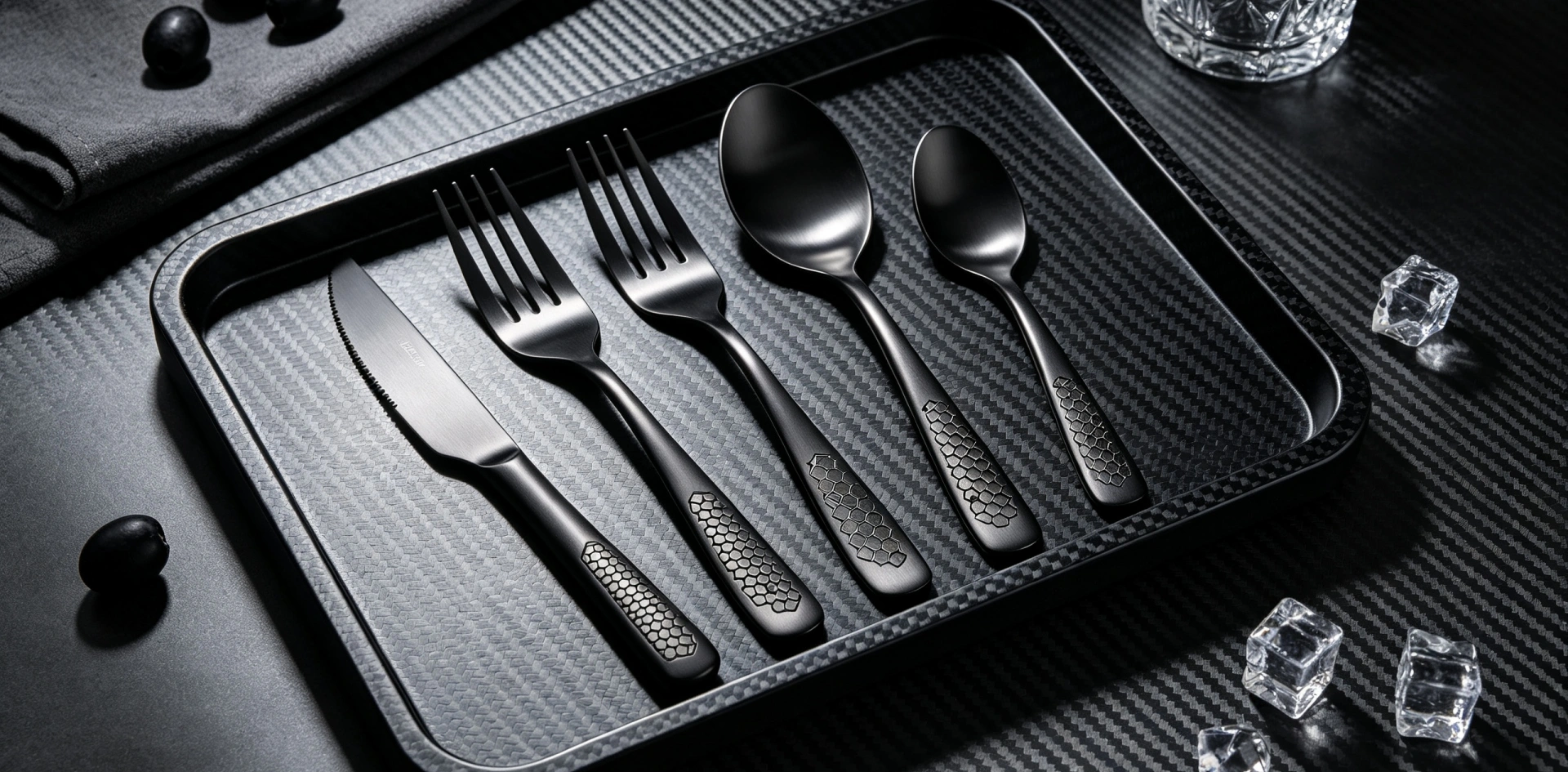
Stainless Steel Cutlery Quality Control and Inspection Guide

Stainless Steel Cutlery Quality Control and Inspection Guide for B2B Buyers
Quality control is a critical part of stainless steel cutlery sourcing. A fork, spoon or knife may look acceptable in a product photograph while still having differences in dimensions, weight, surface finish or overall consistency that become important during commercial use.
For importers, distributors, restaurant suppliers, hotels, retailers and private label brands, quality inspection should begin before mass production and continue through final packing. The goal is not simply to identify defects after production. A stronger quality control process establishes clear requirements in advance so that the manufacturer and buyer are working from the same standard.
Stainless steel flatware quality can be evaluated through measurable specifications, visual inspection, approved samples and packaging requirements. When these elements are documented clearly, B2B buyers can reduce misunderstandings and improve consistency across repeat orders.
What Does Quality Control Mean for Stainless Steel Cutlery?
Quality control refers to the process of checking whether the finished products meet the agreed requirements.
The inspection criteria can include:
-
Material
-
Product dimensions
-
Thickness
-
Weight
-
Product shape
-
Surface finish
-
Workmanship
-
Branding
-
Packaging
-
Quantity
The exact requirements should depend on the specific product and customer expectations.
Why Quality Control Should Start Before Production
Final inspection is important, but quality control should not begin when the finished goods are already packed.
The product specification should be reviewed before production.
For custom or private label products, sample approval should establish the reference standard.
Early confirmation can reduce the risk of large-scale differences between the expected and finished products.
Create a Clear Product Specification
A complete specification can provide the foundation for inspection.
It may include:
-
Product name
-
Material
-
Dimensions
-
Thickness
-
Measurement points
-
Target weight
-
Weight tolerance
-
Surface finish
-
Product drawings
-
Logo requirements
-
Packaging requirements
-
Quantity
The more clearly the product is defined, the easier it becomes to evaluate production quality.
Use an Approved Sample as a Reference
An approved physical sample can provide a practical quality benchmark.
It allows the buyer and manufacturer to compare the finished production with a known reference.
The sample can be retained with the documented specifications for future repeat orders.
For custom products, this is especially useful because a written description may not fully communicate the intended appearance.
Material Inspection
The stainless steel material should match the agreed specification.
Material is a separate requirement from thickness, weight and finish.
For example, a product specification may identify a particular stainless steel grade while separately defining dimensions and surface treatment.
B2B buyers should ensure that the material requirement is clearly stated before production.
Dimension Inspection
Dimensions should be checked according to the approved specification.
Potential measurements include:
-
Overall length
-
Handle length
-
Handle width
-
Product head width
-
Spoon bowl dimensions
-
Fork head dimensions
-
Knife dimensions
Measurement points should be identified clearly to prevent inconsistent inspection methods.
Thickness Inspection
Thickness should be measured at agreed locations.
A complex product may not have the same thickness across every area.
The buyer and manufacturer should identify the measurement point and acceptable tolerance.
Thickness results should be compared with the approved specification rather than with a general product description.
Weight Inspection
Individual product weight can be inspected when weight is a key requirement.
The target weight should be documented together with the acceptable variation.
Weight should be evaluated in the context of the complete product because dimensions and shape also influence the result.
Shape Inspection
Visual inspection should confirm that the product shape matches the approved design.
Potential checks include:
-
Symmetry
-
Straightness
-
Handle alignment
-
Fork tine alignment
-
Spoon bowl shape
-
Knife profile
The finished product should maintain a consistent appearance across the production batch.
Surface Finish Inspection
Surface finish is one of the most visible aspects of stainless steel flatware.
Inspection may check for:
-
Scratches
-
Uneven polishing
-
Inconsistent brightness
-
Irregular brushing
-
Visible grinding marks
-
Surface stains
-
Different finishes within the same collection
The products should be inspected under suitable lighting.
Edge Inspection
Edges should be reviewed according to the product design.
The inspection process can identify rough, irregular or inconsistent areas that affect appearance or handling.
The accepted edge condition should correspond with the approved sample and product specification.
Fork Inspection
Forks can be inspected for:
-
Tine alignment
-
Tine spacing
-
Head symmetry
-
Handle alignment
-
Surface consistency
The individual design determines the exact inspection criteria.
Spoon Inspection
Spoons can be inspected for:
-
Bowl symmetry
-
Bowl depth
-
Bowl shape
-
Handle alignment
-
Surface finish
The bowl should match the approved design and maintain a consistent appearance across the batch.
Knife Inspection
Knives should be inspected according to their specific construction and agreed requirements.
Potential checks may include:
-
Overall shape
-
Handle alignment
-
Blade appearance
-
Surface finish
-
Product dimensions
The exact criteria should be defined before production.
Visual Defect Inspection
Visual inspection can identify defects that may not appear in numerical measurements.
Common inspection points can include:
-
Scratches
-
Dents
-
Stains
-
Uneven surfaces
-
Visible manufacturing marks
-
Inconsistent polishing
-
Deformation
-
Surface contamination
The acceptance criteria should be agreed according to the product and market requirements.
Functional Inspection
Where relevant, products can also be checked for basic functional characteristics.
The purpose is to confirm that the finished product is suitable for its intended use.
The exact tests depend on the product design and application.
For example, commercial buyers may evaluate handling, balance and product stability.
Consistency Across the Collection
A flatware collection should maintain a coordinated appearance.
The fork, spoon and knife may have different shapes, but their design language, finish and general quality level should be consistent.
Inspection should therefore review both individual pieces and the complete collection.
Color and Appearance Consistency
Stainless steel products can appear different under varying lighting conditions.
For products with specialized surface treatments, the buyer should establish an approved visual reference.
Inspection should compare production products with the approved sample under suitable conditions.
Logo and Branding Inspection
Private label products may require logo verification.
The inspection criteria can include:
-
Correct artwork
-
Correct position
-
Consistent appearance
-
Clear reproduction
Branding should be checked against the approved artwork before the finished products are packed.
Packaging Inspection
Packaging quality should be evaluated together with product quality.
Inspection can check:
-
Correct packaging materials
-
Product protection
-
Correct product quantity
-
Correct labels
-
Carton condition
-
Shipping marks
The packaging specification should be documented before production.
Quantity Verification
The final inspection should confirm that the correct quantity has been packed.
For multiple-item sets, the contents of each package should also be checked according to the approved configuration.
Accurate quantity control can reduce problems during receiving and distribution.
Inspection During Production
Quality checks can be performed at different stages rather than only after completion.
Possible stages include:
-
Material preparation
-
Forming
-
Surface processing
-
Product assembly where applicable
-
Final finishing
-
Packaging
Early detection can prevent a small issue from affecting the full production quantity.
Final Pre-Shipment Inspection
A final inspection can review the finished goods before shipment.
The inspection can compare the products with:
-
Approved samples
-
Product specifications
-
Packaging requirements
-
Quantity requirements
-
Branding requirements
The purpose is to identify whether the completed order meets the agreed purchasing requirements.
Inspection Sampling
Large B2B orders may use a sampling approach rather than checking every individual product.
The buyer and supplier can agree on an appropriate inspection plan based on the product, order size and quality requirements.
The inspection method and acceptance criteria should be discussed before the order is completed.
Defining Acceptable Defects
Not every minor visual variation has the same commercial importance.
Buyers should distinguish between defects that affect product function, appearance or brand presentation.
The supplier and buyer can define the acceptance standard before production.
Clear definitions can make final inspection more consistent.
Quality Control for Restaurants
Restaurants may prioritize practical consistency because flatware is used frequently.
Inspection can focus on product shape, surface condition, dimensions and replacement consistency.
The approved specification can help maintain a uniform dining presentation.
Quality Control for Hotels
Hotels may require coordinated quality across multiple dining environments.
For large hospitality programs, consistent specifications can simplify replenishment and replacement.
The supplier should retain the approved product information for future orders.
Quality Control for Retail Brands
Retail products may require additional attention to visual presentation and packaging.
A small surface difference that may be acceptable in bulk foodservice packaging could be more noticeable in premium retail products.
Inspection requirements should reflect the intended sales channel.
Quality Control for Private Label Products
Private label quality control should evaluate both the physical product and brand requirements.
The inspection process should confirm that the product matches the approved design and that packaging and branding are correct.
Approved samples can serve as the main production reference.
Quality Control for Repeat Orders
Repeat orders should not rely only on the memory of the original product.
The manufacturer and buyer should retain the relevant specifications.
These may include:
-
Material
-
Dimensions
-
Thickness
-
Weight
-
Surface finish
-
Product drawings
-
Packaging
-
Approved sample
This documentation can help maintain product consistency.
Working With an Experienced Manufacturer
Quality control requires coordination throughout product development and production.
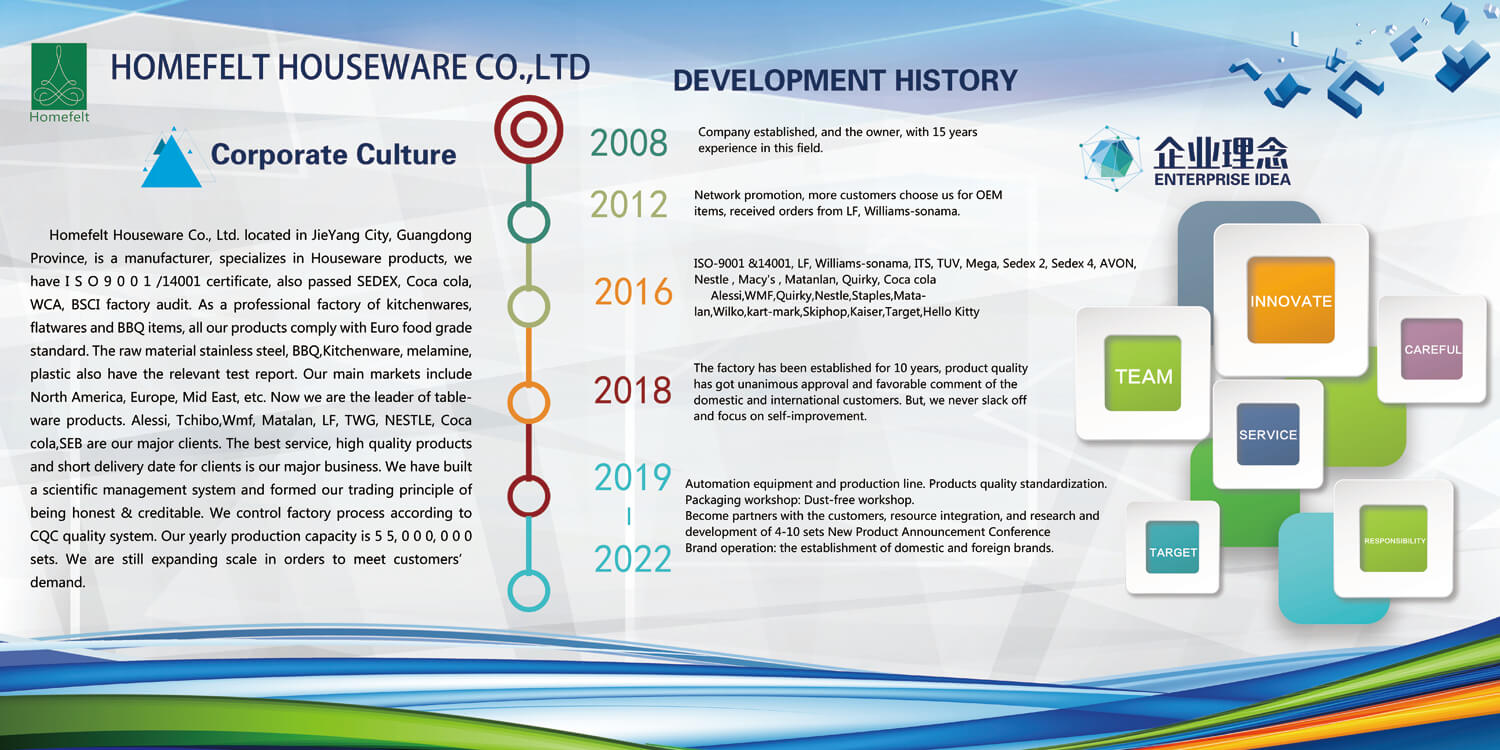
Homefelt has more than 30 years of stainless steel manufacturing experience and produces stainless steel cutlery together with kitchen and dining products, BBQ tools, pet bowls and children's tableware.
For international B2B customers, Homefelt supports standard and customized stainless steel products.
Importers, distributors, restaurant suppliers, hospitality businesses and private label brands can discuss product specifications, material, dimensions, thickness, weight, surface finish, branding, packaging and quality requirements according to their projects.
For long-term supply programs, approved samples and documented specifications can provide a practical reference for repeat production.
What Buyers Should Include in a Quality Requirement
Before placing a bulk order, buyers can prepare:
-
Product drawings
-
Approved sample
-
Material requirement
-
Dimension requirements
-
Thickness requirements
-
Weight requirements
-
Surface finish requirements
-
Branding artwork
-
Packaging specifications
-
Inspection requirements
-
Quantity requirements
-
Acceptance criteria
A complete quality requirement can make communication more efficient.
A Practical Quality Control Workflow
A structured quality process can include:
-
Confirm the product specification
-
Approve the sample
-
Confirm the inspection criteria
-
Check production during key stages
-
Review finished products
-
Inspect surface appearance
-
Verify dimensions and weight
-
Check branding and packaging
-
Confirm quantity
-
Complete final pre-shipment inspection
This workflow provides multiple opportunities to identify issues before shipment.
Conclusion
Stainless steel cutlery quality control is most effective when the buyer and manufacturer establish clear requirements before production begins. Material, dimensions, thickness, weight, shape, surface finish, branding and packaging should all be documented according to the product's intended market.
Final inspection remains important, but a strong quality program begins with product development and approved samples.
Homefelt has more than 30 years of stainless steel manufacturing experience and works with international B2B customers on standard and customized stainless steel products.
By creating complete specifications, approving physical samples and applying consistent inspection criteria, importers, distributors, restaurants, hotels, retailers and private label brands can improve product consistency and reduce uncertainty in wholesale stainless steel cutlery sourcing.
You May Be Interested In
Stainless Steel Flatware Weight Guide: A Practical Specification Guide for B2B Buyers
Stainless Steel Flatware Thickness Guide: How B2B Buyers Choose the Right Specification
Stainless Steel Flatware Finishes: A Practical Guide for B2B Buyers
Custom Stainless Steel Flatware: From Product Concept to Mass Production
Private Label Stainless Steel Flatware Manufacturing: A B2B Guide
Wholesale Stainless Steel Flatware Supplier: B2B Buying Guide

How Stainless Steel Flatware Is Made Manufacturing Process Guide
Stainless Steel Flatware Weight Guide for B2B Buyers
Related Article