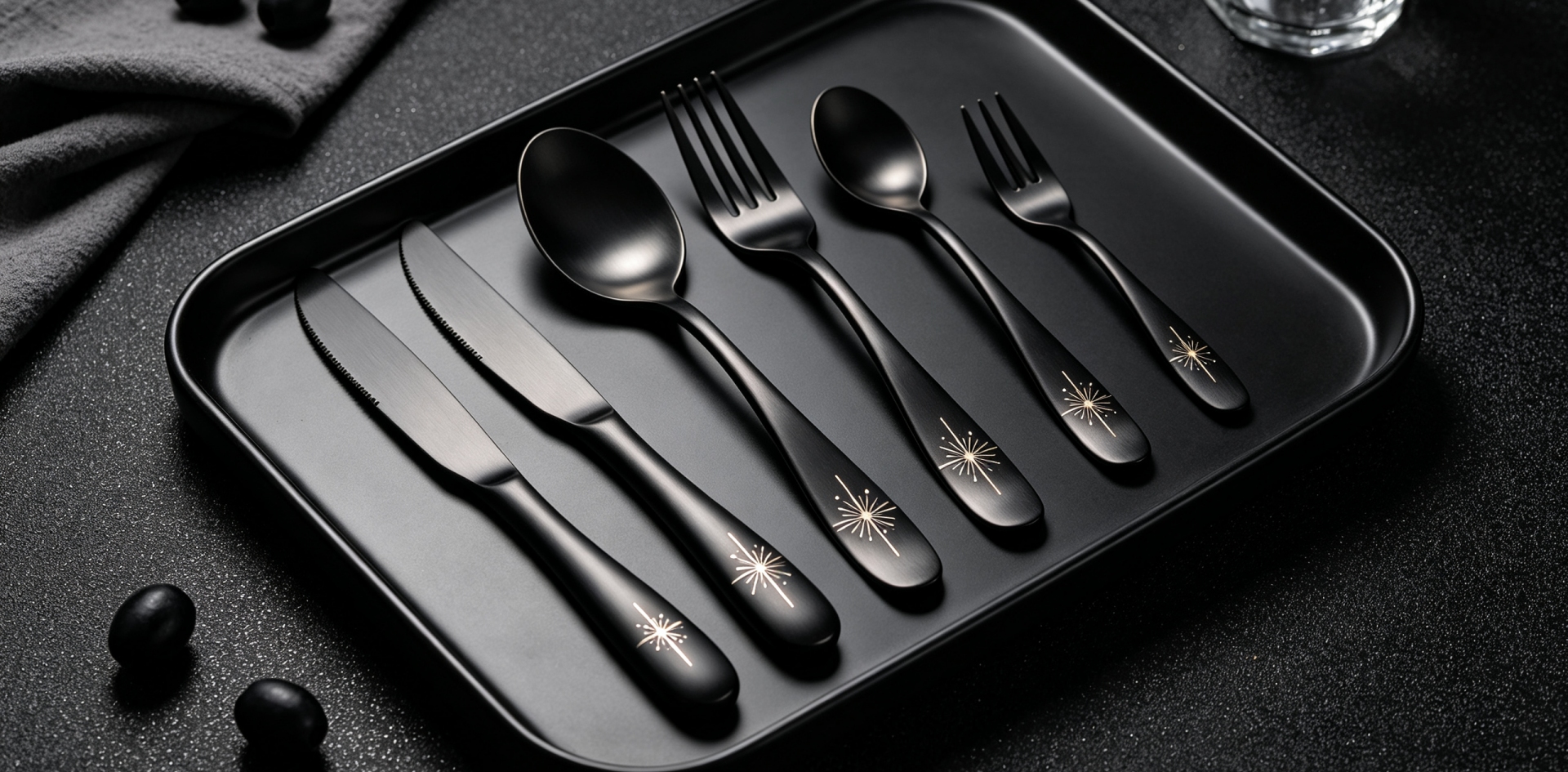
How B2B Buyers Can Build a Profitable Stainless Steel Cutlery Retail Price Structure
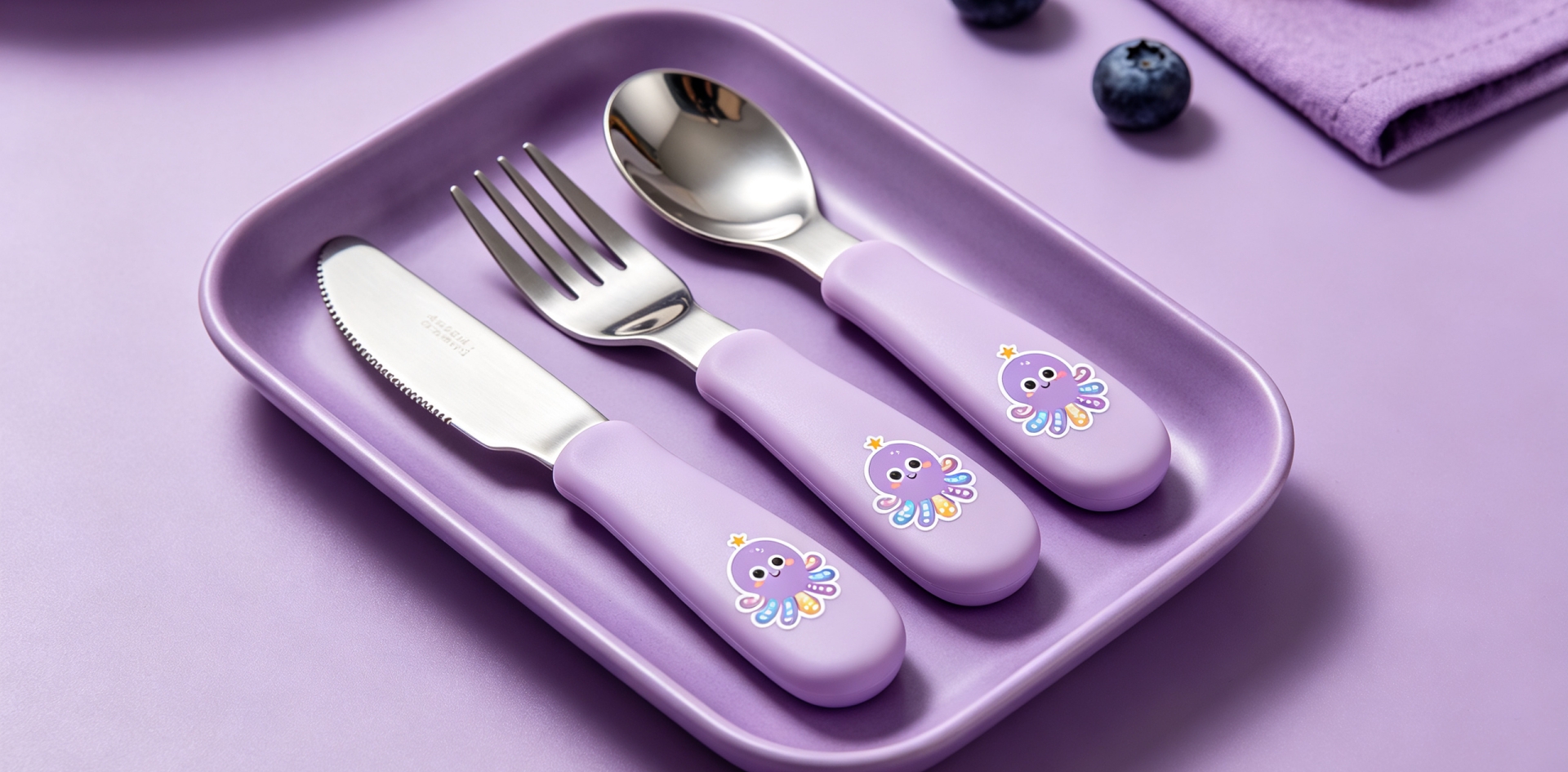
How B2B Buyers Can Build a Profitable Stainless Steel Cutlery Retail Price Structure
For importers, distributors, and private-label brands, building a profitable stainless steel cutlery range involves more than negotiating the lowest factory price. The selling price must cover the full cost of bringing products to market while remaining appropriate for the target customer and sales channel. A well-planned price structure also helps buyers distinguish entry-level products from mid-range collections and premium offerings without creating unnecessary complexity.
When a range includes stainless steel spoons, forks, knives, and complete flatware sets, each product tier should have a clear purpose. The following approach helps B2B buyers evaluate product costs, set practical assortment boundaries, and communicate value to downstream customers.
1. Define the Role of Each Product Tier
A product tier should represent a meaningful difference in customer value rather than a different price label alone. Importers may choose to organize their stainless steel cutlery range into entry, core, and premium categories.
Entry tier: Designed for price-sensitive channels, basic hospitality supply, or buyers who prioritize practical everyday use. The assortment may focus on established designs, standard finishes, and straightforward packaging.
Core tier: Intended for a broad customer base, this category may combine dependable specifications, attractive design, and retail-ready packaging. It often forms the main part of a distributor's regular assortment.
Premium tier: Designed for customers seeking distinctive styling, upgraded materials or finishes where appropriate, gift-oriented presentation, or more elaborate packaging. Higher costs should correspond to identifiable features that the intended market values.
The exact structure depends on the buyer's market, brand position, and sales channel. A premium range should not be defined by appearance alone; material specifications, construction, finish quality, packaging, and supporting documentation may all influence the customer's perception of value.
2. Calculate the Full Landed Cost Before Setting Retail Prices
The factory quotation is only one component of the final cost. Buyers should calculate the cost of getting stainless steel flatware into the warehouse or distribution network where it will be sold.
Depending on the transaction, relevant costs may include:
-
Factory product price
-
Customized tooling or development expenses
-
Retail packaging and master cartons
-
Inspection, testing, and applicable documentation
-
International freight and cargo insurance
-
Customs duties, brokerage, and port-related charges
-
Warehousing, handling, and domestic transportation
-
Currency conversion, financing, and other transaction costs
Not every order will include every cost category, and the exact amounts depend on the destination market and shipping arrangement. Buyers should use actual quotations and applicable import information rather than relying on a generic percentage.
For example, a lower-priced cutlery set may use a larger retail box or require additional protective packaging. Once freight and handling are included, the difference in landed cost may be smaller than the factory prices initially suggest.
A landed-cost model helps buyers compare products on a consistent basis and avoid pricing decisions based on incomplete figures.
3. Match Product Specifications to the Intended Price Position
The specifications of each stainless steel spoon, fork, or knife should support the product's intended selling position. Buyers should decide which features are essential, which create a meaningful upgrade, and which add cost without sufficient commercial value.
Relevant variables include steel grade, product thickness, piece weight, handle design, surface finish, decoration, and packaging configuration. Specifications should be selected according to the target market's expectations and the product's intended use.
For example, a standard wholesale collection may prioritize consistent dimensions, practical packaging, and easy replenishment. A gift-oriented collection may place greater emphasis on coordinated design, decorative details, and presentation. Both can be commercially appropriate when their specifications and costs match their intended customers.
Avoid adding features solely to justify a higher price. Every upgrade should have a clear purpose that the sales team can explain to distributors or end customers.
4. Calculate Margin Using a Consistent Method
Pricing discussions often become confusing when teams use the terms markup and margin interchangeably. They are not the same.
Markup measures the increase over cost, while gross margin measures the share of the selling price remaining after the relevant product cost is deducted.
For example, if a product has a landed cost of $10 and is sold for $15, the gross profit is $5. The gross margin is approximately 33.3% of the selling price, while the markup on cost is 50%.
These calculations are simplified examples. Actual profitability may also depend on operating expenses, channel commissions, promotional discounts, returns, taxes, and other costs that are not included in the landed product cost.
B2B buyers should agree internally on which cost base is used for each calculation. Comparing one product's margin after freight with another product's margin before freight can lead to misleading decisions.
5. Account for Different Sales Channels
A single product may be sold through distributors, physical retailers, online stores, hospitality suppliers, or direct-to-business contracts. Each channel can have a different cost structure and pricing expectation.
Distributors may require sufficient room to cover warehousing, sales support, and downstream delivery. Retailers may need to account for store operations, promotions, and markdowns. Online sellers may face platform fees, fulfillment charges, returns, and advertising costs.
For stainless steel flatware sets, the package format and assortment can also influence channel economics. A set designed for gift retail may not be the best configuration for a hospitality buyer purchasing replacement pieces in bulk.
Instead of forcing every channel into one pricing model, buyers can define suitable product configurations and commercial terms for each segment. Where multiple channels overlap, account for potential price conflicts and clarify which product variants are intended for each channel.
6. Keep Wholesale Price Lists Clear and Comparable
A useful wholesale price list should help buyers understand what they are purchasing and how the price changes with order conditions.
For each SKU, include a clear product reference, material specification, finish, dimensions or set composition, packaging format, and applicable ordering unit. If prices vary by quantity, show the relevant quantity breaks and the conditions under which each price applies.
Separate standard products from customized options where practical. A private-label order involving special logos, new packaging artwork, or dedicated tooling may have different cost assumptions from a standard catalog item.
Also state the quotation validity period, currency, delivery basis, and any important exclusions. If a quotation depends on a particular order volume or packaging configuration, make that condition visible.
A well-structured price list reduces repeated clarification and helps purchasing teams compare alternatives more accurately.
7. Review Product Tiers Using Actual Sales Results
A price structure should be reviewed after products have been introduced to the market. Buyers can examine sales volume, realized selling prices, gross margin, return rates, and replenishment frequency to understand which products perform as expected.
If an entry-level item attracts customers but consistently produces inadequate returns, the buyer may need to review its landed cost, packaging, sales channel, or role within the assortment. If a premium product sells slowly, it may be necessary to reassess the target customer or explain its distinctive features more effectively.
Avoid changing prices based on one isolated order or short-term fluctuation. Look at comparable periods and account for changes in freight, currency, purchasing volume, and promotional activity.
Regular review helps keep the assortment commercially relevant without unnecessary price adjustments across the entire range.
8. Work With the Factory on Cost-Effective Product Choices
A productive supplier relationship can help buyers identify practical ways to manage cost while maintaining the required product standard. Options may include simplifying an assortment, standardizing components across related products, adjusting packaging dimensions, or selecting an alternative finish that meets the same commercial objective.
Any proposed change should be evaluated against the approved specifications and intended market. Reducing thickness, changing materials, or removing protective packaging may affect performance or compliance and should never be treated as a purely financial decision.
Homefelt supports B2B customers sourcing stainless steel spoons, forks, knives, and flatware sets for wholesale and customized programs. Depending on project requirements, cooperation can include OEM/ODM development, product design, private-label packaging, and transportation coordination.
When requesting a quotation, buyers can provide target quantities, product references, preferred specifications, packaging needs, and destination market. These details help the factory evaluate the proposed configuration and prepare pricing based on a more clearly defined scope.
Build a Price Structure That Supports Long-Term Growth
A profitable stainless steel cutlery range balances customer expectations, product specifications, landed cost, channel requirements, and realistic margin targets. Clear product tiers make the assortment easier to manage, while consistent cost calculations help buyers compare options and identify where adjustments may be worthwhile.
Homefelt welcomes inquiries from importers, distributors, wholesalers, and private-label brands looking for stainless steel cutlery manufacturing and bulk supply. For product specifications, quotation requests, or customized collection discussions, contact ingrid@homefelt.net with your target market, estimated volume, and product requirements.
You May Be Interested In
-
How to Compare Stainless Steel Cutlery Quotations for Wholesale Purchasing
-
How to Build a Stainless Steel Flatware Assortment for Different Customer Segments
-
How to Plan Packaging Specifications for Private Label Cutlery Sets
-
How to Evaluate Stainless Steel Cutlery Product Costs Before Bulk Ordering
How to Organize Warehouse Storage for Stainless Steel Cutlery Inventory
How to Turn Stainless Steel Cutlery Trade Show Contacts Into B2B Orders
Related Article