How to Manage Stainless Steel Cutlery Samples After Product Evaluation
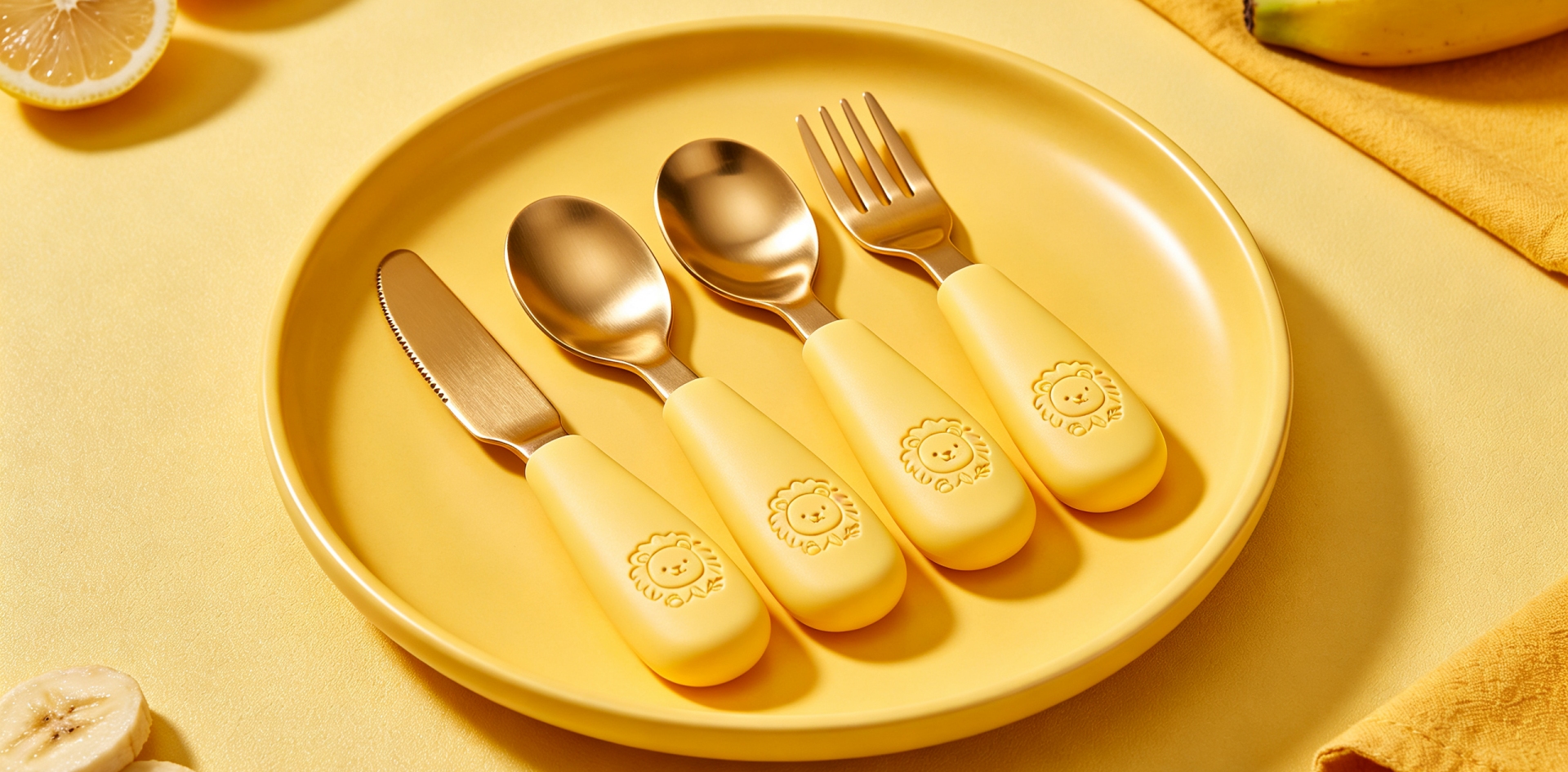
How to Manage Stainless Steel Cutlery Samples After Product Evaluation
Stainless steel cutlery samples are valuable references during product development, supplier evaluation, and bulk purchasing. Importers and distributors may receive several spoons, forks, knives, finishes, or packaging versions before deciding which products to order. Once the evaluation is complete, however, the samples can become difficult to manage if nobody records their status or decides what should happen next.
Some samples need to be retained as approved production references. Others may need to be returned to the supplier, stored for future comparison, or disposed of because they contain outdated designs, unapproved logos, or confidential project information. A clear procedure helps purchasing teams control costs, avoid confusion, and protect the integrity of future orders.
For B2B buyers working with a stainless steel cutlery factory, sample management should be treated as part of the product approval process rather than an informal task. Homefelt supports stainless steel spoon, fork, knife, and flatware projects involving wholesale supply, OEM/ODM development, and customized production. The following practices can help businesses manage samples efficiently after evaluation.
1. Identify Every Sample Before Making a Decision
Begin by creating a record for each sample received. A simple label or sample number can connect the physical product with its supplier, product description, specification, and evaluation history.
Useful information includes:
-
Sample ID and supplier name
-
Product type, such as spoon, fork, or knife
-
Material specification, dimensions, and target weight
-
Surface finish, handle design, and logo details
-
Date received and evaluation purpose
-
Current status and responsible person
-
Decision date and next action
For projects with multiple versions, make sure the record distinguishes between the initial sample, revised sample, and final approved sample. Similar-looking stainless steel flatware items may have important differences in thickness, handle shape, or finish that are not obvious from a brief description.
Use durable labels or separate storage sleeves where appropriate. Avoid placing adhesive labels directly on polished or coated surfaces if they could leave marks or affect the product's appearance.
2. Assign a Clear Status to Each Sample
Once the evaluation is finished, assign each sample a status. This makes it easier for purchasing, quality, design, and sales teams to understand which products can be used as references.
A practical status system might include:
-
Approved reference: accepted for the agreed production specification.
-
Pending review: awaiting feedback or a decision.
-
Revision required: needs a design, material, finish, or packaging adjustment.
-
Superseded: replaced by a newer sample or specification.
-
Return required: must be sent back to the supplier or another party.
-
Dispose: no longer required and cleared for disposal.
The status should be recorded in the sample register and, where practical, marked on the storage container rather than directly on the cutlery.
Do not treat every sample that looks acceptable as an approved production reference. Formal approval should confirm the relevant specification, including material, dimensions, finish, logo placement, and other critical requirements. If packaging is part of the project, record its approval separately when necessary.
3. Retain Approved Samples for Repeat Orders
Approved samples can help buyers and factories maintain consistency across production runs. They provide a physical reference for appearance, dimensions, finish, and other characteristics that may be difficult to communicate through photographs alone.
Before retaining a sample, connect it to the final product specification and the applicable drawing or artwork revision. Record which features the sample represents and whether any characteristics are still subject to separate confirmation.
Store retained samples in a clean, dry location where they are protected from scratches, contamination, moisture, and unnecessary handling. Individual protective sleeves or compartments can reduce contact between pieces, especially for polished surfaces.
For larger projects, define who is responsible for maintaining the approved sample and how long it should be retained. The retention period can depend on product life cycle, expected reorder frequency, customer requirements, and the time needed to resolve potential quality questions.
If a new version is approved, do not silently replace the old reference. Record the change date and identify which version applies to each order.
4. Decide When Samples Should Be Returned
Some samples may need to be returned because they belong to the supplier, include loaned display items, or are part of a specific development agreement. Before shipping them back, confirm the supplier's requirements and the condition expected on return.
The parties should agree on:
-
Which sample IDs must be returned
-
Whether original packaging is required
-
Who arranges and pays for transportation
-
The return address and recipient
-
The expected return date
-
Whether tracking information must be shared
If the sample has been modified during testing or evaluation, inform the supplier before arranging shipment. For example, a sample may have undergone a finish assessment, logo review, or other evaluation that affects its original condition.
For international returns, check the courier and customs requirements before dispatch. Use accurate descriptions and declarations, and consult the carrier or customs broker if the shipment's status or documentation requirements are unclear. Do not assume that a returned sample is automatically exempt from import or export procedures.
Where the cost of returning a low-value sample is disproportionate, ask whether another arrangement is acceptable rather than shipping it without prior agreement.
5. Control Outdated Designs and Unapproved Samples
Superseded samples can create problems if they remain mixed with approved products. A team member may accidentally use an old spoon design, outdated handle finish, or incorrect logo version when preparing a presentation or placing a repeat order.
Separate outdated samples from current references and mark them clearly as superseded. Update the corresponding record to show which sample replaced them.
If an old sample is kept for comparison, label its purpose and prevent it from being used as the current production standard. This is particularly important when several stainless steel cutlery designs have similar shapes but different specifications.
For custom and private-label projects, check whether outdated samples contain confidential logos, customer-specific artwork, or information that should not be reused. Follow the relevant agreement and internal policy when deciding whether those materials may be retained, returned, or destroyed.
6. Dispose of Unneeded Samples Responsibly
Not every sample needs to remain in storage indefinitely. Once a sample is no longer required, verify that it is not linked to an open quality issue, pending customer decision, or contractual return obligation.
Before disposal, check whether the sample contains sensitive branding, proprietary design details, or customer information. Remove or destroy associated paperwork and labels according to the company's information-handling procedures.
Stainless steel is a recyclable material in many waste-management systems, but the actual route depends on local collection arrangements and the condition of the item. Mixed-material handles, coatings, adhesives, and attached components may require different treatment from a plain stainless steel piece.
If recycling is available, follow the local facility's requirements for separating materials. Avoid making broad environmental claims based solely on the fact that the product contains stainless steel. Record disposal or recycling decisions where traceability is important to the project.
7. Review Sample Costs and Project Status
Sample management also provides a useful opportunity to review development costs. Customized stainless steel cutlery may involve sample preparation, logo setup, special finishes, packaging prototypes, or courier charges.
Maintain a record of sample-related expenses and identify whether they were paid directly, included in a development charge, or subject to a separate agreement. This helps the purchasing team understand the total development cost and prevents repeated charges from being overlooked.
When a sample is no longer needed, update the project status so that unresolved development work is not mistaken for an active requirement. If the project has been postponed, record the reason and whether the sample should be retained for a possible future order.
A clear sample register can also reveal repeated revision patterns. If several samples are rejected for the same reason, the buyer and supplier may need to clarify the specification or approval criteria before another version is prepared.
8. Establish a Repeatable Sample Management Procedure
For companies handling multiple cutlery projects, the process should be consistent across departments and suppliers. Define who receives samples, who inspects them, who approves specifications, and who authorizes returns or disposal.
A straightforward procedure can follow this sequence:
-
Register each sample when it arrives.
-
Link it to the relevant product specification and project.
-
Record evaluation results and required revisions.
-
Obtain documented approval or rejection.
-
Assign a retention, return, or disposal status.
-
Update the register after the action is completed.
The procedure does not need to be complicated. Its value comes from maintaining accurate records and ensuring that physical samples agree with the current documentation.
For stainless steel cutlery manufacturers and buyers, this approach supports clearer communication, better specification control, and more reliable repeat purchasing. It also helps avoid unnecessary storage, duplicate courier costs, and accidental use of obsolete samples.
Homefelt can discuss sample requirements for stainless steel spoons, forks, knives, and complete flatware collections as part of a wholesale or customized project. Buyers planning a new product range should identify the samples needed, the approval process, and any return or retention requirements before development begins.
To discuss a stainless steel cutlery project, request sample support, or confirm requirements for a bulk order, contact ingrid@homefelt.net. Providing product references, estimated quantities, customization details, and the intended approval process will help establish a clear starting point.
You May Be Interested In
-
How to Manage Sample Shipping for Stainless Steel Cutlery Projects
-
How to Evaluate a Trial Order Before Expanding a Stainless Steel Cutlery Supplier Partnership
-
How to Prepare Stainless Steel Cutlery Sample Kits for B2B Trade Shows
-
How to Manage Customer-Specific Specifications for Stainless Steel Cutlery Orders
How to Manage Distribution Channel Conflicts in Stainless Steel Cutlery Markets
How to Set Quotation Validity and Price Adjustment Terms for Stainless Steel Cutlery
Related Article