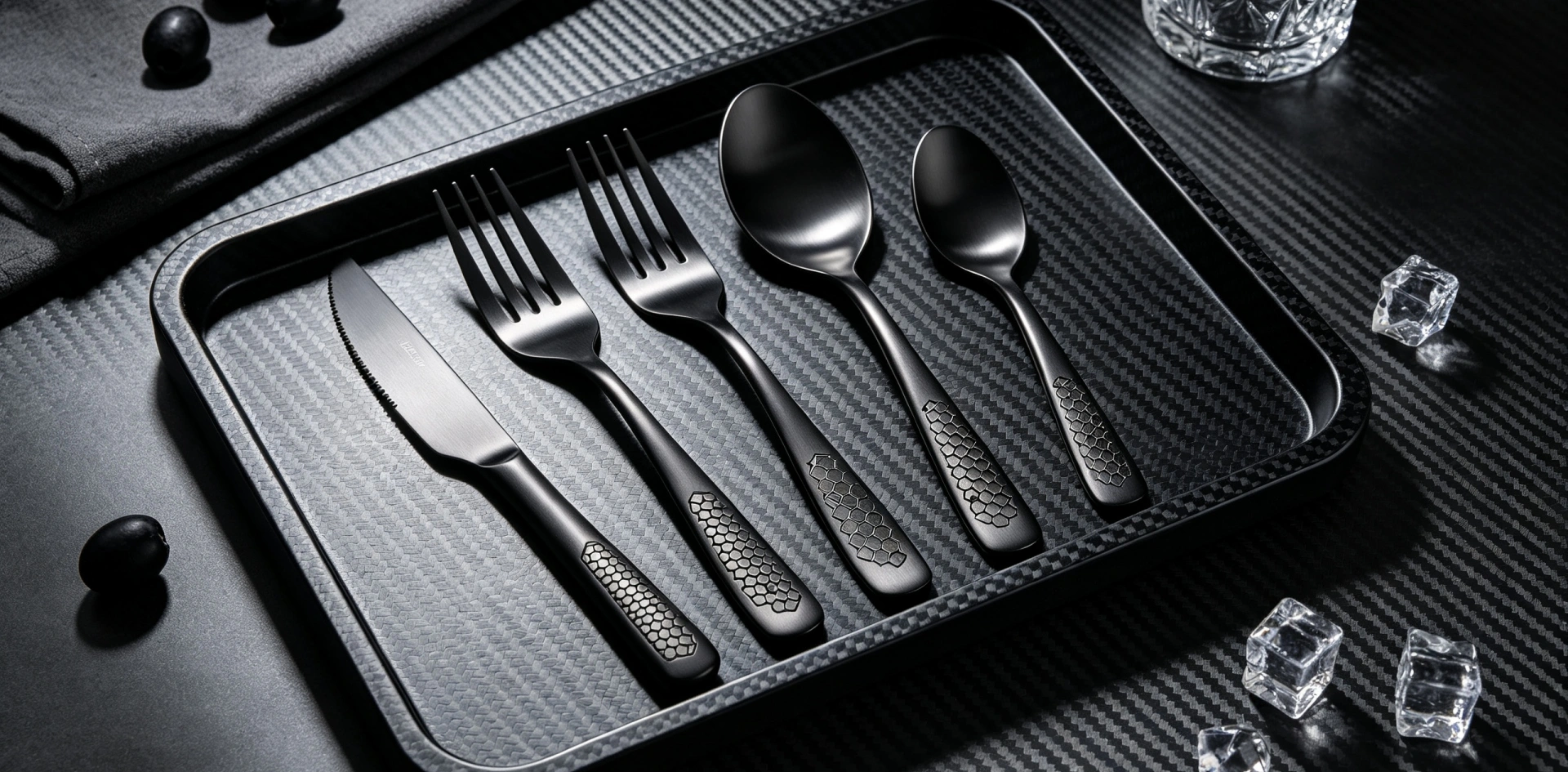
Stainless Steel Cutlery Thickness Guide for B2B Buyers

Stainless Steel Cutlery Thickness Guide: What B2B Buyers Need to Consider
Thickness is one of the most important specifications to review when sourcing stainless steel cutlery. It can influence product strength, weight, handling, appearance and manufacturing cost. However, thickness alone does not determine whether a fork, knife or spoon is suitable for a particular market or foodservice application.
For importers, distributors, hospitality suppliers, restaurant groups and private label brands, understanding how cutlery thickness is specified can help avoid misunderstandings during sampling and production. A product described simply as thick or heavy may not provide enough information for accurate purchasing. Buyers should know which part of the product is being measured and how the agreed specification will be communicated to the manufacturer.
The most reliable approach is to review thickness together with material, dimensions, product shape, weight and approved samples. These factors work together to determine the overall characteristics of a finished stainless steel flatware collection.
What Does Cutlery Thickness Mean?
In stainless steel flatware, thickness generally refers to the thickness of the stainless steel material used to form the product. The exact measurement point can vary according to the design and manufacturing process.
A spoon may have different thickness characteristics at the handle and bowl. A fork can vary between the handle and the area around the tines. A knife may use a different construction and should not automatically be compared with a fork or spoon using the same measurement method.
For this reason, buyers should define the measurement point when thickness is included in a purchasing specification.
Why Thickness Matters
Thickness can influence several aspects of the finished product:
-
Overall weight
-
Perceived solidity
-
Handle feel
-
Product rigidity
-
Visual proportions
-
Manufacturing material consumption
-
Production cost
A thicker product may feel more substantial, but a well-designed product with balanced dimensions can also provide a comfortable and stable user experience.
Thickness and Product Weight
Thickness is related to weight, but the relationship is not always direct.
A long, wide product made from thinner material may weigh more than a shorter product made from thicker material.
The final weight depends on the total material volume, including length, width, shape and thickness.
B2B buyers should therefore avoid using thickness as the only weight requirement. If weight is important to the target market, the specification should include an agreed weight range together with other product dimensions.
Thickness and Handle Design
The visual effect of thickness can change according to the handle profile.
A narrow handle may appear more substantial at the same thickness than a wide handle. A rounded or shaped handle can also create a different feeling from a flat profile.
When developing custom cutlery, buyers should evaluate the complete design instead of selecting thickness independently.
Thickness for Forks
Fork thickness can affect the appearance and feel of the handle and neck area.
The product design may include transitions between different sections.
When requesting a fork specification, buyers should identify the relevant measurement location rather than assuming one thickness applies equally across the entire product.
Thickness for Spoons
Spoon thickness should be considered together with the bowl shape and handle profile.
The bowl may be formed through production processes that create different characteristics from the handle.
A supplier and buyer should therefore agree on the appropriate measurement point for the specific product.
Thickness for Knives
Knives require separate consideration because knife construction can differ from forks and spoons.
A stainless steel table knife may be produced using a different structure or manufacturing method.
Buyers should request detailed product information and confirm which dimensions and thickness measurements apply to the selected knife design.
Avoid Comparing Thickness Numbers Without Context
A thickness figure can be misleading when taken out of context.
For example, two products with the same stated thickness can have different weight, rigidity and appearance because of differences in length, width, material grade and product shape.
When comparing supplier quotations, buyers should request equivalent specifications and measurement methods.
The best comparison includes product drawings, dimensions, weight information and physical samples.
Thickness and Product Positioning
Different markets can have different expectations for flatware.
Some buyers may prefer lightweight products for high-volume foodservice. Others may want a more substantial feel for hospitality or premium retail collections.
The selected thickness should support the intended product positioning.
Before development begins, buyers should consider the target customer, expected price level, dining environment and product range.
Lightweight Commercial Flatware
Lightweight products may be suitable for applications where efficient handling and large-volume purchasing are priorities.
The overall design should still be reviewed for appropriate proportions and intended use.
A lighter product does not automatically mean lower quality because material, design and manufacturing quality must all be considered together.
Medium-Weight Flatware
Many commercial and retail collections fall between very lightweight and heavy designs.
These products can provide a balanced combination of handling comfort and material usage.
The appropriate specification depends on the buyer's product design and market requirements.
Heavy-Feel Flatware
Some hospitality and premium dining collections are developed to provide a more substantial feel.
Weight, handle design, length and thickness can all contribute to this result.
Rather than requesting only the thickest available product, buyers should evaluate several samples to determine the balance that best fits the intended collection.
Thickness and Manufacturing Cost
Material usage can affect production cost.
As thickness increases, the amount of stainless steel required for a product design may also increase.
However, the final quotation depends on more than material consumption. Product shape, dimensions, finish, production complexity, order quantity and packaging can all influence cost.
For accurate price comparison, buyers should provide complete specifications.
Thickness and Product Consistency
For repeat orders, thickness should be documented as part of the approved specification where relevant.
A small variation can change the weight or overall feel of the finished product.
Maintaining drawings, samples and agreed measurement points can help support more consistent repeat production.
How to Specify Thickness Clearly
A useful purchasing specification can identify:
-
Product type
-
Material
-
Measurement location
-
Target thickness
-
Permitted tolerance if applicable
-
Overall dimensions
-
Target weight or weight range
-
Surface finish
-
Approved sample reference
This creates a clearer basis for supplier communication.
Use Product Drawings When Possible
A technical drawing can identify the exact point where a measurement should be taken.
This can reduce uncertainty during production and inspection.
For custom flatware, drawings may also define length, width, thickness and other critical dimensions.
Where no drawing is available, a physical approved sample can serve as the primary reference.
Sample Approval Is Essential
Photographs cannot always show the true thickness or handling characteristics of cutlery.
Physical samples allow buyers to compare different options directly.
During sample review, buyers can check:
-
Thickness
-
Weight
-
Balance
-
Handle comfort
-
Overall proportions
-
Surface finish
-
Workmanship
Approved samples should be retained for future production reference.
Thickness and Quality Inspection
If thickness is a critical requirement, the inspection process should define how it will be checked.
The measurement tool and measurement location should be agreed where necessary.
This helps ensure that the supplier and buyer are using the same reference during quality evaluation.
Comparing Multiple Suppliers
When requesting quotations from multiple suppliers, buyers should provide the same specification to every supplier.
Comparing prices for products with different thickness, weight or dimensions may lead to inaccurate conclusions.
Equivalent samples are often the most practical way to compare product characteristics.
Thickness for Private Label Projects
Private label brands may use thickness as one element of product positioning.
A brand can develop a specification that matches its target price range and customer expectations.
The final product should be approved through samples before mass production begins.
Detailed records can support consistent future orders.
Thickness for Restaurant and Hospitality Buyers
Restaurants and hospitality businesses may select thickness based on the dining concept and expected guest experience.
A casual operation may choose a practical product with balanced proportions.
A premium restaurant may prefer a collection with a more substantial feel.
The best choice should be made after handling samples with the intended tableware.
Thickness for Wholesale Distributors
Wholesale distributors may serve several customer groups with different requirements.
Maintaining a range of lightweight, medium-weight and more substantial collections can help address different market segments.
Clear specifications make it easier for distributors to manage product selection and repeat purchasing.
Thickness and Custom Cutlery Development
Custom development provides buyers with more control over product proportions.
Thickness can be considered together with length, handle width, shape and finish during the design stage.
The manufacturer can then produce samples for evaluation before the final specification is approved.
This process helps avoid making decisions based on one measurement alone.
Work With the Manufacturer Before Finalizing Specifications
Buyers can discuss their intended application and product positioning with the manufacturer before confirming thickness.
The manufacturer can review whether the requested combination of dimensions, shape and thickness is practical for the proposed design.
This early discussion can reduce unnecessary changes during sample development.
Working With an Experienced Manufacturer
Homefelt has more than 30 years of stainless steel manufacturing experience and produces stainless steel cutlery together with kitchen and dining products, BBQ tools, pet bowls and children's tableware.
For international B2B customers, Homefelt supports standard and customized stainless steel products.
Importers, distributors, restaurant suppliers, hospitality companies and private label brands can discuss material, dimensions, thickness, weight, finish, packaging and estimated quantities according to their requirements.
For custom and repeat orders, approved samples and detailed specifications can provide a reference for consistent production.
What B2B Buyers Should Prepare
Before requesting a quotation for stainless steel cutlery, buyers can prepare:
-
Product type
-
Product design or reference image
-
Material requirement
-
Overall dimensions
-
Thickness requirement
-
Target weight
-
Surface finish
-
Order quantity
-
Packaging requirements
-
Target market
-
Expected repeat demand
This information gives the manufacturer a clearer understanding of the project.
Build a Complete Specification
Thickness should be part of a complete product specification rather than an isolated number.
By documenting material, dimensions, weight, finish and approved samples together, buyers can create a stronger reference for both initial production and future repeat orders.
This approach is useful for distributors, hospitality suppliers, restaurant groups and private label brands that need product consistency over time.
Conclusion
Stainless steel cutlery thickness can influence product weight, appearance, handling and manufacturing cost, but it should always be evaluated together with the complete product design.
B2B buyers should define the measurement location, confirm the material and dimensions, review target weight and approve physical samples before mass production.
For accurate supplier comparison, equivalent specifications are essential.
Homefelt has more than 30 years of stainless steel manufacturing experience and works with international B2B customers on standard and customized stainless steel products.
By discussing thickness together with design, dimensions, weight and intended application, buyers can develop a stainless steel cutlery specification that is clearer for production, inspection and long-term repeat purchasing.
You May Be Interested In
How to Buy Stainless Steel Cutlery in Bulk for Hotels, Restaurants and Distributors
18/10 vs 18/0 Stainless Steel Flatware: Which Is Better for B2B Buyers?
How Stainless Steel Flatware Is Made: From Sheet to Finished Product
Stainless Steel Cutlery Weight Guide for Wholesale Buyers
How to Choose Stainless Steel Cutlery for Commercial Foodservice
Custom Stainless Steel Flatware Development From Sample to Production


Stainless Steel Cutlery Weight Guide for Bulk and Wholesale Buyers
Commercial Stainless Steel Cutlery for Foodservice Businesses
Related Article