How to Prepare Stainless Steel Cutlery Sample Kits for B2B Trade Shows
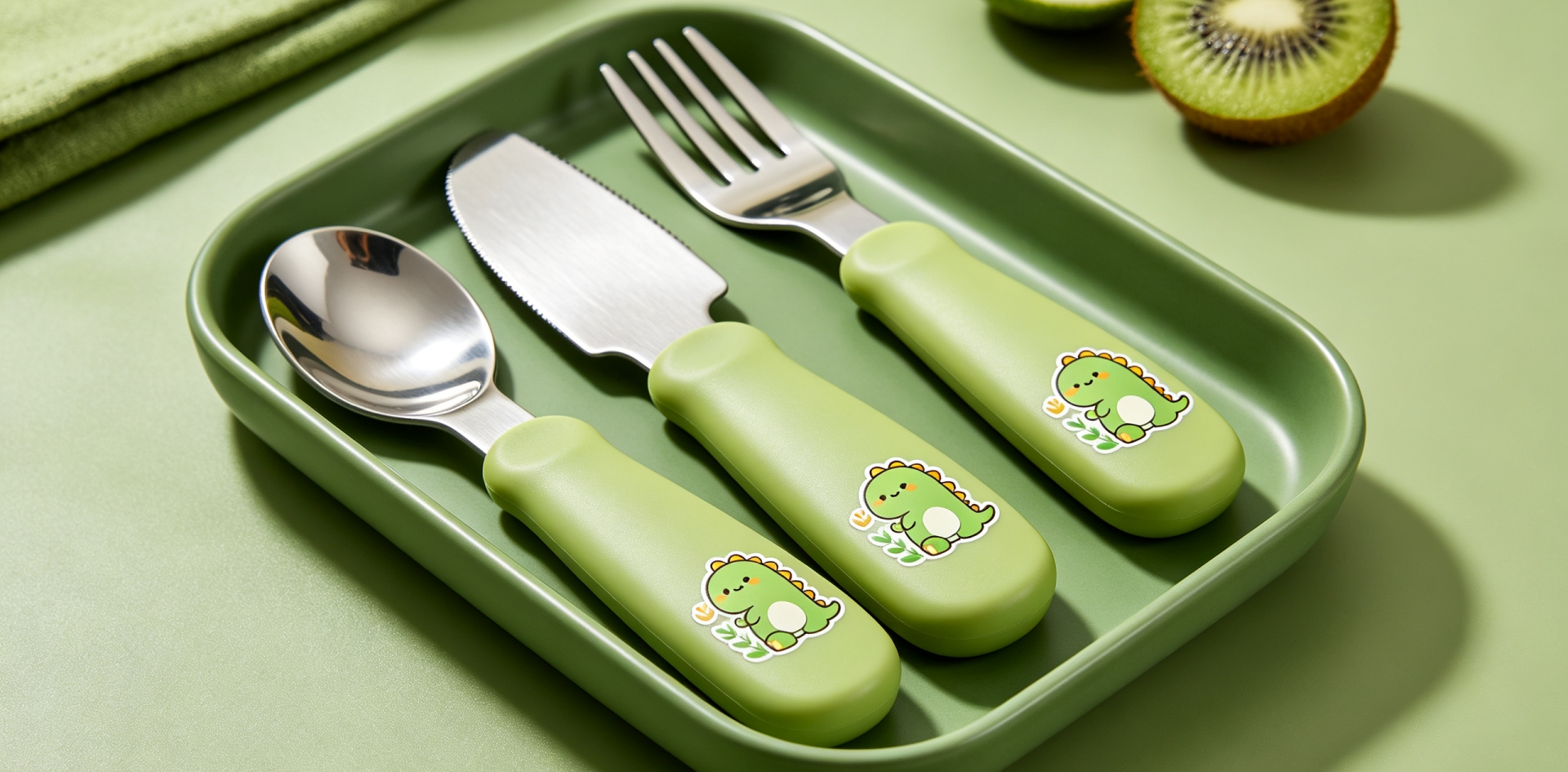
How to Prepare Stainless Steel Cutlery Sample Kits for B2B Trade Shows
For stainless steel cutlery manufacturers, a trade show sample kit is more than a collection of spoons, forks, and knives. It is a practical sales tool that helps importers, wholesalers, distributors, and private-label brands compare product options and decide which items deserve further evaluation.
A well-organized kit allows buyers to examine the weight, balance, finish, shape, and construction of actual products instead of relying only on catalog photographs. It also helps sales teams explain technical differences efficiently, particularly when visitors have limited time to review several suppliers.
For Homefelt and other B2B cutlery suppliers, planning sample kits around buyer needs can make trade show conversations more focused and help move qualified inquiries toward specifications, quotations, and customized projects.
1. Select Samples for the Buyers You Expect to Meet
The first decision is which products to include. Carrying every available SKU may make a sample kit heavy, difficult to organize, and confusing for visitors. A more useful approach is to select representative products based on the expected audience and the purpose of the event.
For example, a wholesaler-focused event may call for established stainless steel flatware collections with practical specifications and packaging options. A private-label event may require more examples of handle designs, surface finishes, logo treatments, and coordinated set configurations.
A balanced sample kit might include:
-
Representative stainless steel spoons in different bowl shapes or sizes
-
Forks with clearly distinguishable tine designs or handle profiles
-
Knives suited to the product category being presented
-
Complete flatware sets that demonstrate coordinated design
-
Selected finishes that buyers can compare in person
-
Packaging examples relevant to retail or wholesale distribution
Each sample should have a clear reason for inclusion. If two items differ only slightly, include both only when the distinction is important to a target customer or helps demonstrate a genuine manufacturing option.
2. Make Product Differences Easy to Understand
Visitors should be able to identify what makes one sample different from another without depending entirely on a salesperson's explanation.
Prepare a product card for each item or collection. Useful details include the product code, material grade where verified, dimensions, thickness, piece weight, surface finish, and available ordering formats. If the item belongs to a complete set, identify the included spoons, forks, knives, and any other pieces.
Avoid descriptions such as “better quality” or “premium material” without a specific explanation. Instead, identify the actual difference, such as a heavier construction, a particular handle profile, a different finish, or a distinct set composition.
For material claims, use the approved product specification and supporting documentation. Visual appearance alone cannot confirm stainless steel composition. Where technical performance is relevant, provide the applicable test information rather than relying on broad verbal claims.
Clear product cards also help visitors share accurate information with colleagues after the event.
3. Demonstrate Surface Finishes With Care
Surface appearance can strongly influence a buyer's decision, especially when the buyer is developing a coordinated private-label collection. However, finishes can be difficult to compare if samples are dirty, scratched, or displayed under inconsistent lighting.
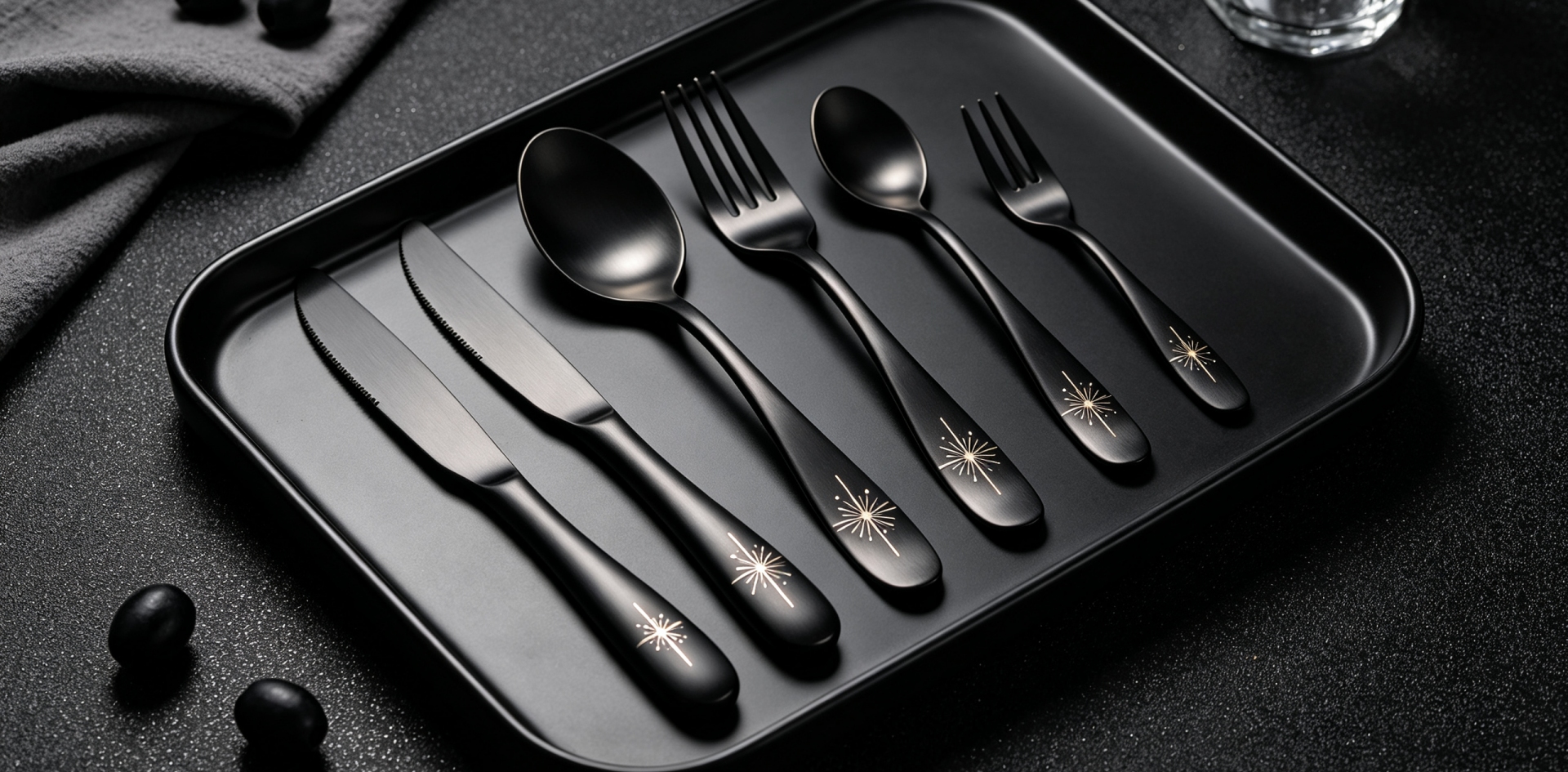
Prepare clean, representative samples and group comparable finishes together. Where available, show the differences between standard polished surfaces and other approved finish options without suggesting that a visual comparison proves performance or durability.
Use consistent lighting where possible. Strong reflections may make mirror-polished stainless steel appear different from its normal appearance, while colored or decorative surfaces may look different under warm and cool lighting.
If buyers request a finish that is not included in the kit, record the reference and confirm whether a suitable sample can be prepared. Do not promise that an untested color or surface treatment will match another product exactly without a technical review.
4. Include Examples of Customization and Private Label Options
Many B2B buyers want to understand how a standard cutlery design can be adapted to their own brand or sales channel. Sample kits can demonstrate selected customization options without requiring every variation to be physically displayed.
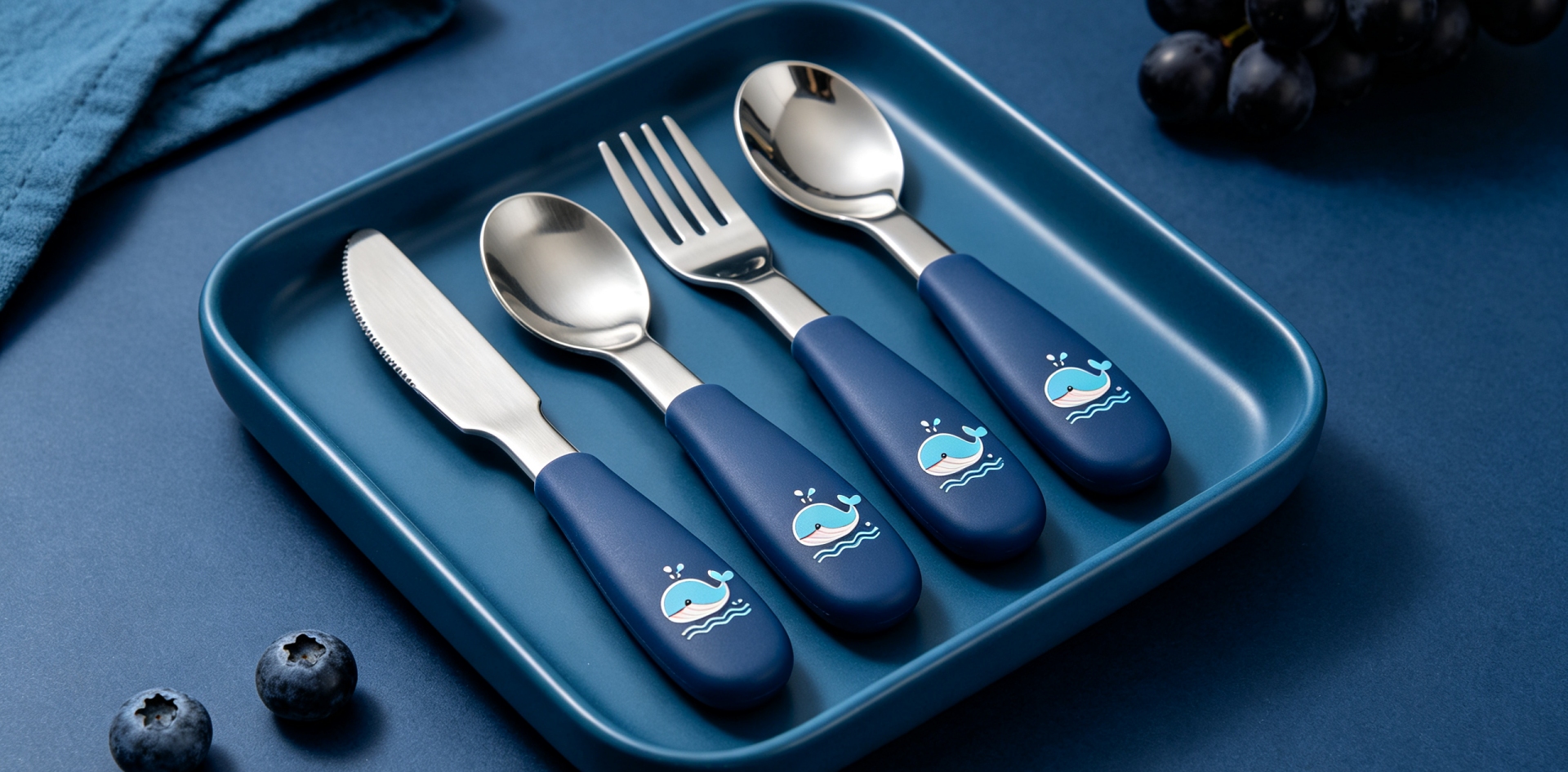
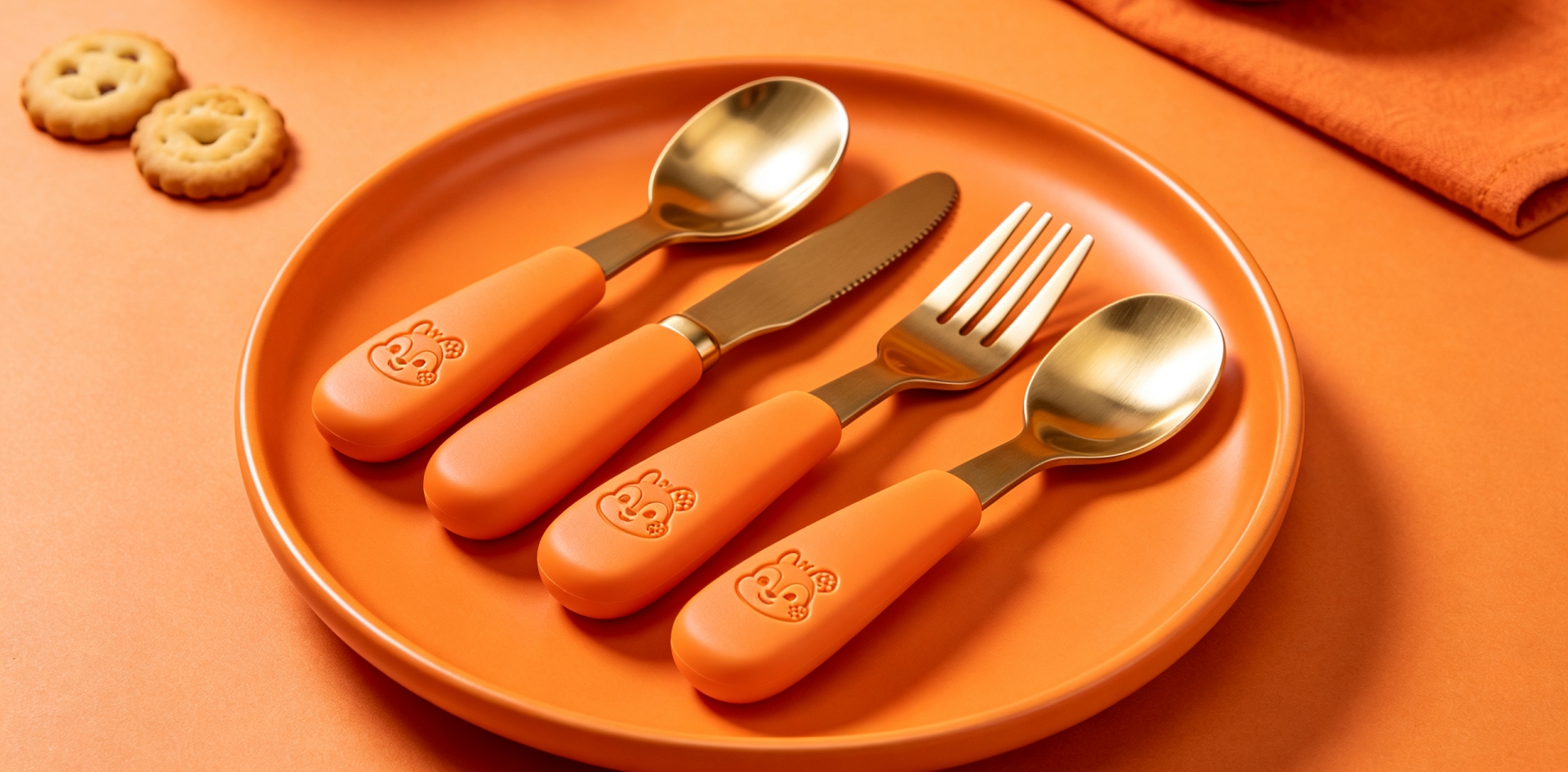
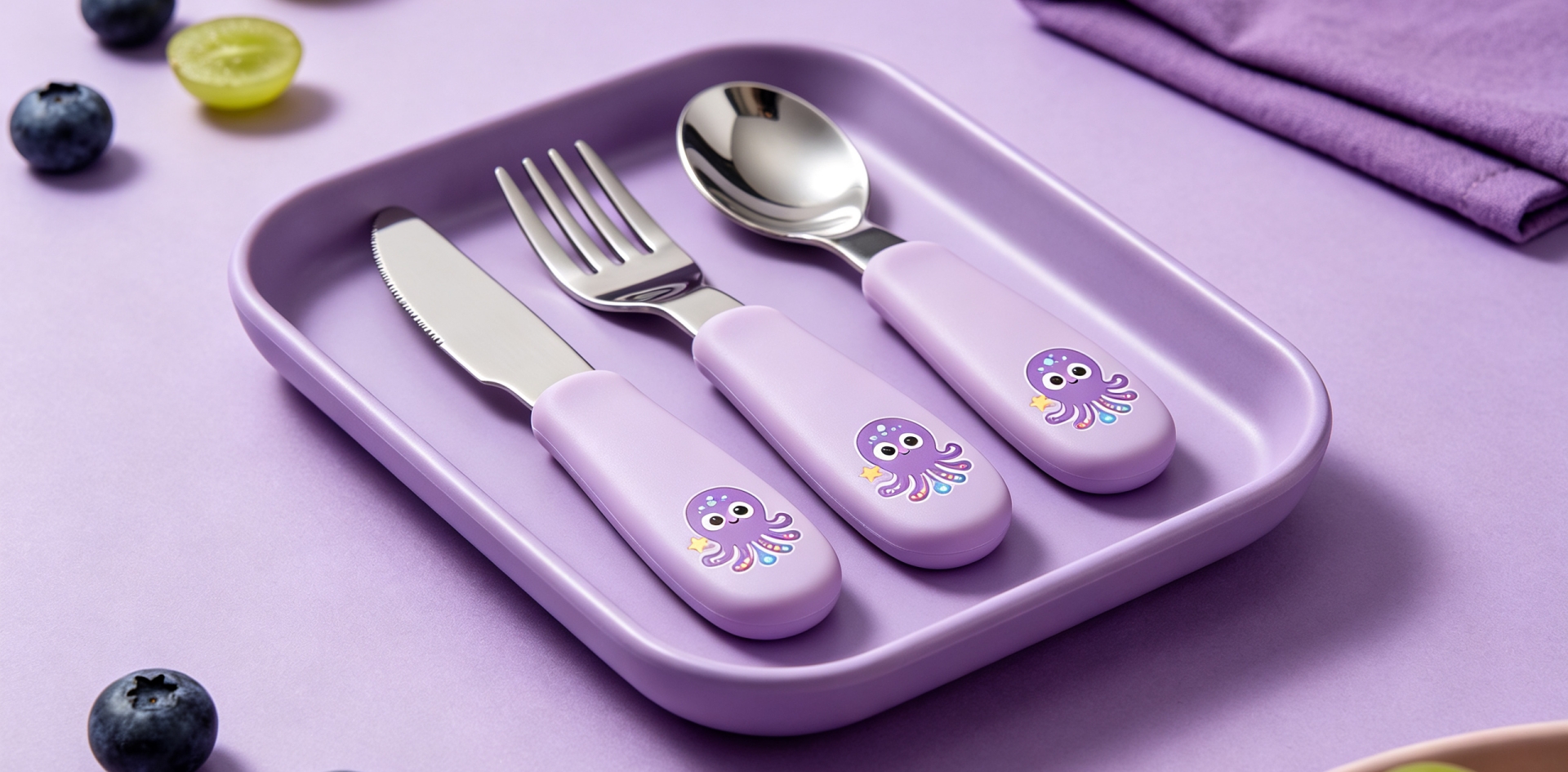
Depending on the product and manufacturing process, useful examples may include logo placement, handle patterns, customized set combinations, and different retail packaging concepts. A printed packaging sample or approved artwork proof can help explain presentation options even when a fully customized production sample is not available.
Separate standard catalog products from customer-specific examples. If a sample contains another brand's logo or distinctive artwork, obtain the appropriate authorization before displaying it and avoid sharing confidential customer details.
For OEM and ODM projects, explain which decisions require further confirmation. A requested design may affect tooling, production feasibility, minimum quantities, cost, or development time. Buyers should understand that a trade show sample demonstrates an option, not automatic approval for every production requirement.
5. Show Packaging That Matches Real Purchasing Needs
Packaging samples help buyers assess more than appearance. They can also reveal how a product will be presented, stored, counted, and transported.
For retail customers, show relevant box styles, set arrangements, inserts, labels, and available branding areas. For wholesale distributors, it may be more useful to demonstrate inner-box and master-carton configurations, pack quantities, and practical handling information.
The packaging should correspond to the product it is intended to hold. A box that fits one spoon design may not accommodate a longer handle or a different set composition. If a sample box is only illustrative, label it clearly so buyers do not mistake it for an approved production package.
Discuss packaging requirements early when a project involves private labeling or multiple SKUs. This allows the buyer and supplier to consider product dimensions, protective materials, artwork, and shipping efficiency together.
6. Keep Samples Organized and Easy to Handle
Sample presentation influences how efficiently buyers can evaluate a collection. Each item should be easy to pick up, return to its designated position, and identify after comparison.
Use trays, labeled compartments, or sample boards to prevent pieces from becoming mixed. Keep related spoons, forks, and knives together when they form one coordinated collection. For loose samples, use product cards or durable identification tags that remain associated with the correct item.
Check samples before the event for fingerprints, surface marks, loose components, damaged packaging, and outdated product details. Replace items that no longer represent the current approved design.
A compact reference list can record which samples are displayed, which are available for follow-up, and which need to be returned or replaced after the show. This is especially helpful when several sales representatives share the same collection.
7. Prepare Buyer Information Before the Event
A sample kit is more effective when supported by concise, accurate product information. Buyers often need to evaluate several suppliers and may not remember every specification discussed during a short meeting.
Prepare a digital or printed reference that includes product codes, key specifications, available finishes, set options, packaging details, and the appropriate contact information. Where applicable, identify available certifications and test documentation, ensuring that the documents correspond to the relevant products and claims.
It is also useful to prepare a simple inquiry record covering the buyer's target market, product interest, estimated quantity, branding needs, and purchasing timeline. Sales staff can then record requirements without interrupting the product demonstration.
After the event, these records make it easier to send relevant information instead of a large, generic catalog. They also help the supplier determine which samples or technical documents should be provided next.
8. Use Sample Feedback to Plan the Next Step
Buyer reactions during a trade show can reveal which product features deserve further discussion. Record specific feedback rather than only noting whether a visitor liked a sample.
Useful observations may include a preference for a particular spoon bowl shape, a requested fork length, an interest in a certain finish, or a packaging format that better fits the buyer's retail channel. Distinguish between personal preferences and confirmed purchasing requirements.
If a buyer requests a customized sample, confirm the necessary drawings, material specification, logo files, packaging requirements, and evaluation criteria. Agree on who will review the sample and what decision is expected after evaluation.
Not every conversation needs to progress immediately to product development. Some buyers may simply need a catalog or wholesale price information, while others may be ready to discuss a defined OEM project. Recording the next action helps keep follow-up relevant.
Turn Trade Show Samples Into Useful B2B Opportunities
A successful stainless steel cutlery sample kit combines representative products, accurate specifications, clear customization examples, and organized buyer information. It allows visitors to compare real products efficiently and gives sales teams a practical foundation for discussing wholesale and private-label requirements.
Homefelt supports importers, wholesalers, distributors, and brands seeking stainless steel spoons, forks, knives, and complete flatware collections. Depending on project needs, cooperation can include OEM/ODM development, product customization, packaging coordination, and transportation planning.
If you are preparing a new collection or looking for a stainless steel cutlery factory for bulk orders, share your preferred products, target quantities, finish requirements, and packaging plans with Homefelt. For catalogs, quotations, and customization inquiries, contact ingrid@homefelt.net.
You May Be Interested In
-
How to Evaluate a Trial Order Before Expanding a Stainless Steel Cutlery Supplier Partnership
-
How to Prepare Stainless Steel Cutlery Product Specifications for Wholesale Buyers
-
How to Plan Packaging for Private Label Stainless Steel Flatware Sets
-
How to Compare Stainless Steel Spoon and Fork Designs for Bulk Purchasing
How to Improve Time Zone Communication in Stainless Steel Cutlery B2B Orders
How to Define Territory and Distribution Terms for Stainless Steel Cutlery Partnerships
Related Article