Stainless Steel Flatware Tooling Development for OEM and Bulk Production
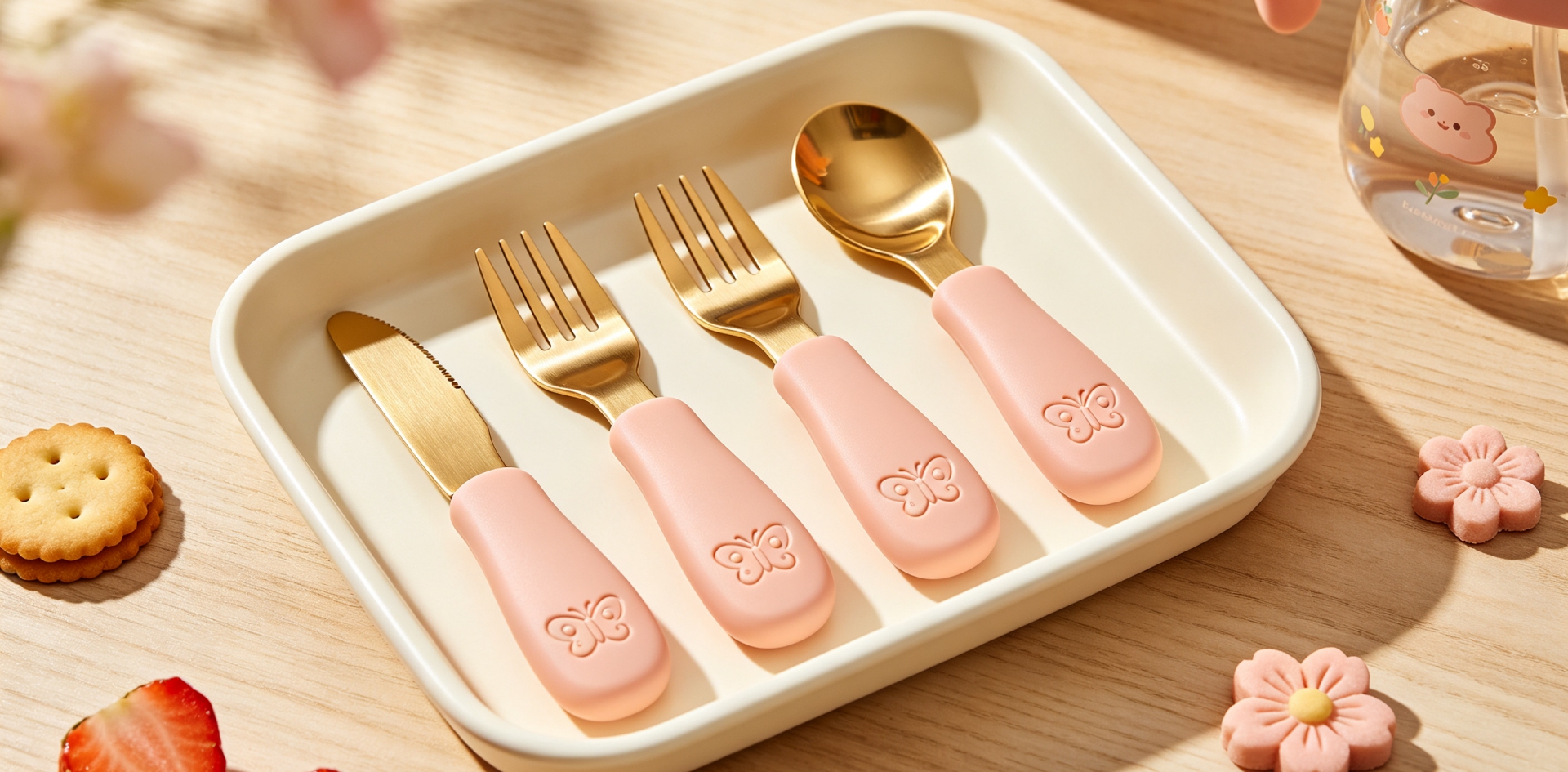
Stainless Steel Flatware Tooling Development for OEM and Bulk Production
When a stainless steel spoon, fork or knife is developed for an OEM project, the tooling behind the product is an important part of the manufacturing process. The mold or tooling determines how the product shape is formed and helps the factory reproduce an approved design during mass production.
For B2B buyers, tooling development is therefore more than a manufacturing detail. It is closely connected with product design, sample approval, production repeatability and the ability to support future orders.
Homefelt factory specializes in stainless steel knives, forks, spoons and complete flatware collections. For OEM, ODM and private-label projects, customers can work with the factory to develop product tooling according to drawings, reference samples or new design concepts.
Why Tooling Matters in Stainless Steel Cutlery
Stainless steel flatware is formed through a series of manufacturing processes. The tooling used during forming needs to correspond with the intended dimensions and shape of the product.
For a spoon, the tooling must support the desired bowl shape and transition into the handle. For a fork, it needs to accommodate the head and tine configuration. A table knife requires tooling appropriate to the blade and handle profile.
When a customer develops a proprietary collection, tooling becomes part of the foundation for reproducing that design in production quantities.
Tooling Based on Product Drawings
Many OEM customers begin with technical drawings. These drawings may contain overall dimensions, section measurements, material specifications and design details.
The factory can review the drawings from a production perspective before tooling development begins. This helps identify whether the proposed dimensions and shapes are suitable for stainless steel cutlery manufacturing.
For complex or newly developed designs, the tooling plan may need to be adjusted according to the actual forming process. Early communication between the buyer and factory can help reduce unnecessary modifications later.
Using Reference Samples
Not every customer has a complete technical drawing. Some buyers provide an existing spoon, fork or knife as a reference sample.
A physical sample can communicate details such as proportions, curves and overall appearance. The factory can evaluate the sample and discuss which characteristics need to be reproduced and which elements can be modified.
This approach is particularly useful for distributors and private-label brands that already have an established flatware collection but need a new manufacturing partner.
Spoon Tooling Considerations
For stainless steel spoons, tooling development needs to accommodate the bowl and its relationship with the handle. The bowl shape is one of the most recognizable features of the product and can strongly influence its appearance.
Different projects may require different bowl proportions, depths and profiles. The tooling needs to reflect the approved design rather than relying on a generic configuration.
Homefelt can work with customers during the development stage to confirm the intended spoon design before production tooling is finalized.
Fork Tooling Considerations
Fork production presents its own tooling requirements because the head contains multiple tines and spaces between them.
The tooling must correspond with the approved fork head design while maintaining the required relationship between the head and handle. For an OEM collection, the fork should also visually coordinate with the matching spoon and knife.
Tooling development can therefore be reviewed as part of the complete flatware collection rather than treating each product as an unrelated item.
Table Knife Tooling
Table knives require tooling suited to their blade and handle construction. Depending on the product design, the knife may require different forming and processing stages from a spoon or fork.
For private-label projects, buyers may have specific requirements for the blade profile, handle proportions or overall appearance. These details can be confirmed before tooling is prepared.
The objective is to create a repeatable manufacturing reference for the approved knife design.
Trial Production and Sample Confirmation
Tooling development should normally be followed by sample evaluation. The first production sample allows the buyer and factory to compare the physical product against the approved drawing, reference sample or design concept.
At this stage, customers can review dimensions, appearance, proportions and overall product feel. If modifications are required, they can be discussed before the project moves into full production.
This process is particularly valuable for large-volume orders because changes made after mass production begins can be more costly and time-consuming.
Tooling and Repeat Orders
For B2B customers, the value of tooling extends beyond the initial order. Once a product has been approved, the tooling can support future production of the same design.
This is important for private-label brands and distributors that reorder popular flatware collections. Maintaining the established tooling reference can help the factory reproduce the approved design rather than developing the product again from the beginning.
For customers expanding an existing collection, the original design references can also provide a useful foundation for developing matching knives, forks or spoons.
Experience in Custom Flatware Development
In actual OEM projects, tooling requirements can vary according to the product concept, order quantity, material specification and target market.
A retail brand may require a distinctive spoon and fork design. A hospitality supplier may prioritize practical production and repeatability. A distributor may need several related products under one private-label collection.
Homefelt's long experience in stainless steel cutlery production allows these requirements to be discussed at the product-development stage. The factory focuses specifically on knives, forks, spoons and flatware sets, helping customers translate product ideas into manufacturable products.
Quality Control After Tooling Development
Once the tooling has been developed, product inspection remains important. The approved sample can serve as a reference for production checks, while key product specifications can be documented for future orders.
For B2B customers, this creates a clearer connection between product development and mass production. It also gives both sides a common reference when discussing repeat orders or product improvements.
Homefelt has experience working with well-known brands and has passed BSCI, SEDEX 4P, BRC, ISO9001 and Disney audit requirements. FAMA and FSC certificates are also available according to project requirements. Specific testing and documentation can be discussed according to the destination market and customer needs.
OEM, ODM and Private Label Tooling Support
Homefelt supports OEM and ODM stainless steel cutlery development from product concept through production. Customers can provide drawings, samples or product requirements, and the factory can coordinate tooling development with manufacturing specifications.
The service can also include product design, packaging and transportation. This one-stop approach allows customers to create an exclusive service package according to their market, product positioning and order volume.
For private-label and wholesale buyers, coordinated development can simplify communication between product design and mass production.
A Manufacturing Partner for Long-Term Development
For B2B customers, selecting a factory is not only about the price of the first production order. The ability to develop new products, reproduce approved designs and support future orders is equally important.
Homefelt has decades of experience in stainless steel cutlery manufacturing and provides OEM, ODM, private-label, wholesale and large-volume production services.
From the first product concept and tooling development to production, packaging and transportation, Homefelt aims to provide a complete service solution and build long-term relationships with customers who want to grow their flatware business.
Stainless Steel Flatware Radius Design for OEM and Private Label Orders
Stainless Steel Flatware Dimensional Tolerance for OEM and Bulk Orders
Related Article