Stainless Steel Spoon Manufacturer and Supplier | B2B Guide
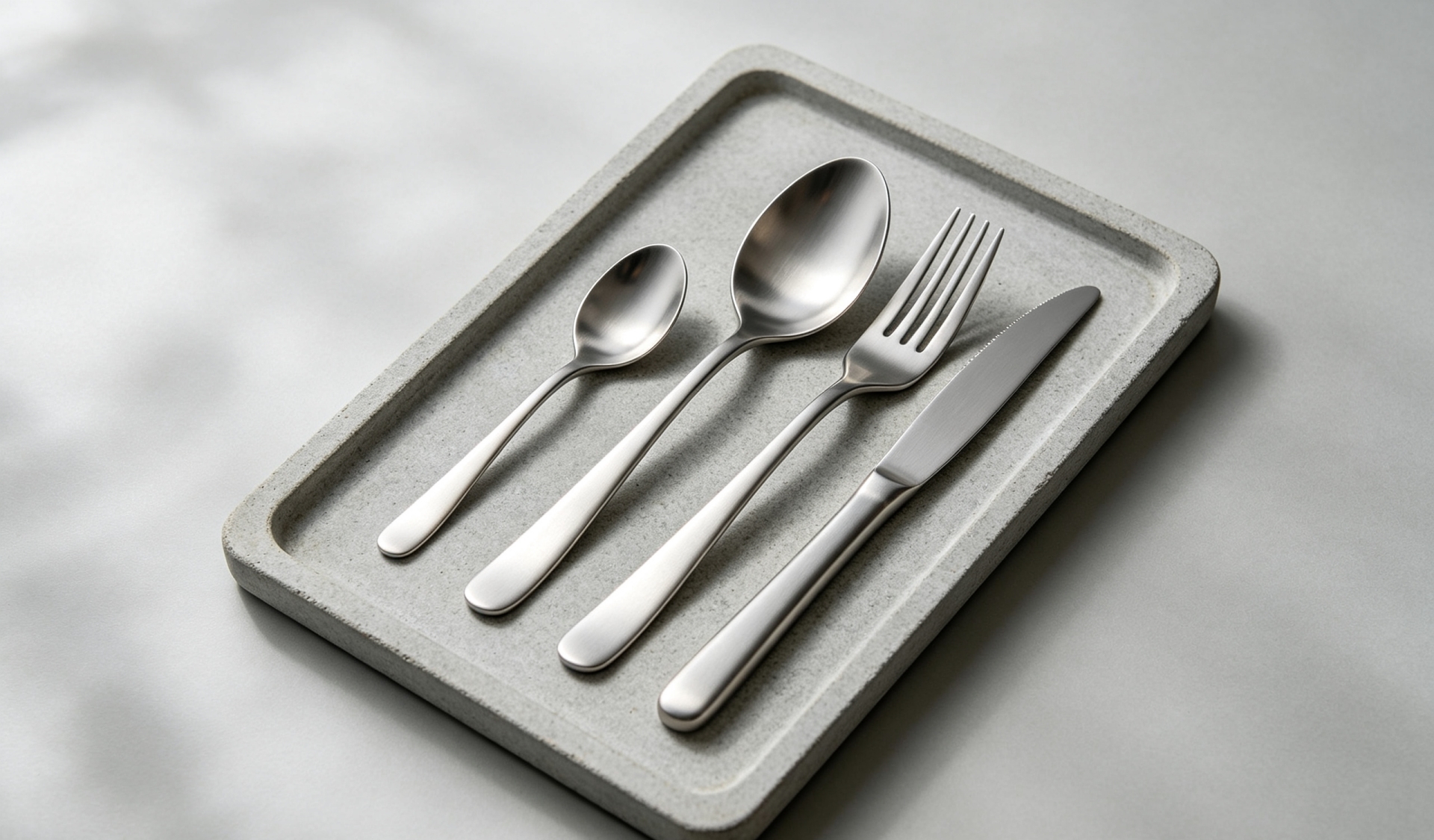
Stainless Steel Spoon: A B2B Guide to Manufacturing, Sourcing and Customization
A stainless steel spoon is one of the most widely used pieces of tableware in restaurants, hotels, catering operations, retail collections and commercial dining environments. Although the basic product appears simple, professional buyers need to consider material, dimensions, thickness, weight, handle design, surface finish, packaging and production consistency when sourcing stainless steel spoons in bulk.
For importers, distributors, restaurant suppliers, hospitality businesses and private label brands, choosing the right stainless steel spoon supplier can directly affect product quality, purchasing efficiency and long-term replenishment.
A well-defined product specification makes it easier to compare suppliers and ensures that the finished spoon matches the intended market.
What Is a Stainless Steel Spoon?
A stainless steel spoon is a reusable spoon manufactured from stainless steel and designed for food service, dining or other kitchen and tableware applications.
Stainless steel is widely used for spoons because it provides a durable material option with a clean appearance and compatibility with many different tableware styles.
Stainless steel spoons can be manufactured in different shapes, sizes, weights and finishes to meet different commercial requirements.
Common types include:
-
Table spoons
-
Teaspoons
-
Dessert spoons
-
Soup spoons
-
Serving spoons
-
Specialty spoons
-
Spoons included in complete flatware sets
Why Choose Stainless Steel Spoons for B2B Applications?
For commercial buyers, stainless steel spoons can provide a practical combination of appearance, durability and repeat-use suitability.
They can be used across many different market segments, including:
-
Restaurants
-
Hotels
-
Catering companies
-
Cafes
-
Foodservice distributors
-
Retail stores
-
Hospitality suppliers
-
Private label brands
The appropriate product specification depends on the intended application and target customer.
Stainless Steel Spoon Material
Material is one of the first specifications that should be confirmed when purchasing stainless steel spoons.
Different stainless steel grades may be selected according to the product requirements and target market.
For B2B sourcing, buyers should clearly identify the required material rather than relying only on general descriptions such as premium stainless steel.
Material should be documented separately from thickness, weight and surface finish.
18/10 Stainless Steel Spoon
18/10 stainless steel is commonly associated with premium stainless steel tableware.
The terminology refers to the approximate chromium and nickel composition of the stainless steel.
For buyers targeting premium retail, hospitality or foodservice markets, 18/10 stainless steel may be considered as one material option.
The final specification should always be confirmed with the manufacturer.
18/0 Stainless Steel Spoon
18/0 stainless steel is another material option used in stainless steel tableware.
It contains chromium but does not intentionally include nickel as part of the standard composition designation.
The choice between different stainless steel grades should depend on the intended application, product positioning and buyer requirements.
Stainless Steel Spoon Size
Spoon size can vary significantly depending on the intended use.
A teaspoon is smaller than a table spoon, while a serving spoon is typically designed for transferring food rather than individual dining.
B2B buyers should specify product dimensions clearly.
Potential specifications include:
-
Overall length
-
Handle length
-
Bowl length
-
Bowl width
-
Bowl depth
-
Thickness
-
Target weight
Complete dimensions make supplier quotations easier to compare.
Stainless Steel Spoon Weight
Weight contributes to the hand feel and perceived substance of a stainless steel spoon.
A lightweight spoon may be suitable for high-volume foodservice applications, while a heavier spoon can create a more substantial dining experience.
However, heavier does not automatically mean better.
Weight should be evaluated together with product dimensions, thickness, handle design and intended application.
Stainless Steel Spoon Thickness
Thickness is another important product specification.
A thicker spoon can create a more substantial profile, while a thinner design can provide a lighter appearance and potentially lower material consumption.
The correct thickness depends on the product design.
For custom stainless steel spoons, buyers should define both the target thickness and the measurement location.
Stainless Steel Spoon Bowl Design
The bowl is one of the defining features of a spoon.
Different applications require different bowl shapes and depths.
A spoon can have a relatively shallow bowl for certain dining applications or a deeper bowl for soup and other foods.
The bowl dimensions should be developed together with the handle and overall product length.
Stainless Steel Spoon Handle Design
The handle is an important part of the visual identity of a spoon.
Common handle styles include:
-
Straight handles
-
Rounded handles
-
Tapered handles
-
Geometric handles
-
Decorative handles
-
Minimalist handles
-
Custom branded designs
For complete flatware collections, the spoon handle should coordinate visually with the corresponding fork and knife.
Polished Stainless Steel Spoon
A polished stainless steel spoon has a bright and reflective appearance.
This finish can work well for:
-
Hotels
-
Formal restaurants
-
Premium tableware
-
Hospitality projects
-
Retail collections
A consistent polishing process is important because highly reflective surfaces can make scratches and surface irregularities more visible.
Satin Stainless Steel Spoon
A satin finish provides a softer appearance than a highly polished surface.
It can be suitable for contemporary restaurant concepts, modern retail collections and hospitality environments seeking a more understated appearance.
The final finish should be approved through a physical sample when appearance is important.
Brushed Stainless Steel Spoon
A brushed finish creates a directional surface texture.
This can give the spoon a contemporary or industrial visual character.
Brushing consistency is particularly important when the product is part of a larger flatware collection.
Stainless Steel Spoon for Restaurants
Restaurants require spoons that match their service style and dining concept.
A fine dining restaurant may select a substantial polished spoon, while a casual restaurant may prefer a simpler satin or brushed design.
Commercial restaurant buyers should consider:
-
Product durability
-
Hand feel
-
Dimensions
-
Surface finish
-
Replacement requirements
-
Purchasing volume
-
Storage and packaging
Stainless Steel Spoon for Hotels
Hotels may use different spoon designs across restaurants, banquet services and other dining areas.
A hotel purchasing program should consider consistency across repeat orders.
If a spoon becomes part of a long-term tableware collection, the supplier should be able to reproduce the approved specifications when replacement products are needed.
Stainless Steel Spoon for Catering
Catering businesses often require large quantities of consistent tableware.
Purchasing decisions may focus on product practicality, cost efficiency, weight, packaging and replacement availability.
Bulk packaging can be useful when individual retail presentation is not required.
Wholesale Stainless Steel Spoons
Wholesale buyers usually purchase products in larger quantities and require clear commercial specifications.
A wholesale stainless steel spoon quotation may depend on:
-
Material
-
Product dimensions
-
Thickness
-
Weight
-
Surface finish
-
Quantity
-
Packaging
-
Branding
-
Customization
-
Shipping requirements
Buyers should compare quotations using equivalent specifications.
Stainless Steel Spoon Bulk Orders
Bulk orders require more attention to consistency because small differences can become significant across thousands of pieces.
The buyer should establish:
-
Approved product sample
-
Material specification
-
Dimensions
-
Thickness
-
Weight
-
Finish
-
Packaging
-
Inspection requirements
These specifications can provide a reference for mass production.
Custom Stainless Steel Spoon
Custom stainless steel spoon manufacturing allows B2B buyers to create a product according to specific requirements.
Customization may include:
-
Handle shape
-
Spoon bowl dimensions
-
Product length
-
Thickness
-
Weight
-
Surface finish
-
Logo
-
Packaging
Some custom designs may require dedicated tooling.
Private Label Stainless Steel Spoon
Private label stainless steel spoons are manufactured for a brand and sold under that brand's identity.
A private label project can range from standard spoons with custom packaging to fully customized products.
Branding can be combined with:
-
Custom handle design
-
Product finish
-
Retail packaging
-
Product sets
-
Custom labels
An approved sample should be retained as a reference for future production.
Stainless Steel Spoon Packaging
Packaging depends on the intended sales channel.
Possible packaging options include:
-
Bulk cartons
-
Individual bags
-
Retail boxes
-
Cutlery set boxes
-
Gift boxes
-
Custom branded packaging
Restaurant and hospitality buyers often prioritize efficient bulk packaging, while retail brands may require more visual product presentation.
Stainless Steel Spoon Quality Control
Quality control should begin before mass production.
Inspection can cover:
-
Material
-
Dimensions
-
Thickness
-
Weight
-
Bowl shape
-
Handle alignment
-
Surface finish
-
Scratches
-
Deformation
-
Packaging
For custom products, the approved physical sample should be used as a primary reference.
Common Stainless Steel Spoon Defects
Potential defects may include:
-
Scratches
-
Dents
-
Uneven polishing
-
Irregular brushing
-
Shape deformation
-
Uneven bowl symmetry
-
Handle misalignment
-
Surface stains
-
Inconsistent finish
The acceptable level of variation should be established before production.
Stainless Steel Spoon Manufacturing Process
The manufacturing process generally includes several stages.
These may include:
-
Stainless steel material preparation
-
Cutting
-
Blank formation
-
Stamping
-
Spoon bowl forming
-
Handle shaping
-
Trimming
-
Surface preparation
-
Polishing or other finishing
-
Cleaning
-
Quality inspection
-
Packaging
The exact process depends on the product design and manufacturing equipment.
How to Select a Stainless Steel Spoon Supplier
B2B buyers should evaluate suppliers based on their actual project requirements.
Important considerations include:
-
Manufacturing experience
-
Product range
-
Material capability
-
Customization capability
-
Surface finishing
-
Quality control
-
Production capacity
-
Packaging capability
-
Communication
-
Repeat-order capability
A supplier should be able to explain the product specification and manufacturing process clearly.
Working With an Experienced Stainless Steel Spoon Manufacturer
Homefelt has more than 30 years of stainless steel manufacturing experience and produces stainless steel cutlery together with kitchen and dining products, BBQ tools, pet bowls and children's tableware.
For international B2B customers, Homefelt supports standard and customized stainless steel products.
Importers, distributors, restaurant suppliers, hospitality businesses, retailers and private label brands can discuss stainless steel spoon material, dimensions, thickness, target weight, handle design, surface finish, branding, packaging and estimated quantities according to their requirements.
For repeat orders, approved samples and documented specifications can help maintain product consistency.
What B2B Buyers Should Provide
Before requesting a quotation, buyers can prepare:
-
Product type
-
Reference images or samples
-
Material requirement
-
Product dimensions
-
Thickness
-
Target weight
-
Surface finish
-
Quantity
-
Packaging requirements
-
Branding requirements
-
Target market
-
Expected repeat-order volume
Providing complete information can make the sourcing process more efficient.
Stainless Steel Spoon for Private Label Collections
A spoon can become an important part of a private label flatware collection.
The handle design, surface finish and packaging can be coordinated with forks and knives to create a consistent product family.
For long-term programs, the manufacturer should retain the approved specifications and samples so that future production can follow the original requirements.
Choosing the Right Stainless Steel Spoon
There is no single stainless steel spoon specification suitable for every B2B application.
Restaurant buyers may prioritize practical use and durability.
Hotel buyers may prioritize appearance and consistency.
Retail brands may focus on product design and packaging.
Distributors may require a balance between cost, quality and broad market suitability.
Private label brands may require additional customization and branding support.
The correct product is the one that matches the intended market and commercial requirements.
Conclusion
A stainless steel spoon is a simple-looking product with many specifications that can influence its commercial performance. Material, dimensions, thickness, weight, bowl design, handle shape, surface finish and packaging should all be considered when selecting a supplier.
For B2B buyers, the most effective sourcing process begins with a clear product specification and continues through sample approval, quality control and repeat-order management.
Homefelt has more than 30 years of stainless steel manufacturing experience and works with international B2B customers on standard and customized stainless steel products.
By defining requirements clearly and selecting an experienced stainless steel spoon manufacturer, importers, distributors, restaurants, hotels, retailers and private label brands can develop reliable products for wholesale and long-term commercial supply.
You May Be Interested In
Stainless Steel Spoon Manufacturing Process: From Material to Finished Product
Stainless Steel Spoon Sizes and Specifications for B2B Buyers
Stainless Steel Spoon Finishes: Polished, Satin and Brushed Options
Custom Stainless Steel Spoon Manufacturing for Private Label Brands
Wholesale Stainless Steel Flatware Supplier: B2B Buying Guide
Stainless Steel Cutlery Quality Control and Inspection Guide for B2B Buyers

Stainless Steel Spoon Sizes, Dimensions and Specifications Guide
How Stainless Steel Flatware Is Made Manufacturing Process Guide
Related Article