
Stainless Steel Spoon Bowl Size and Capacity Guide for B2B Buyers
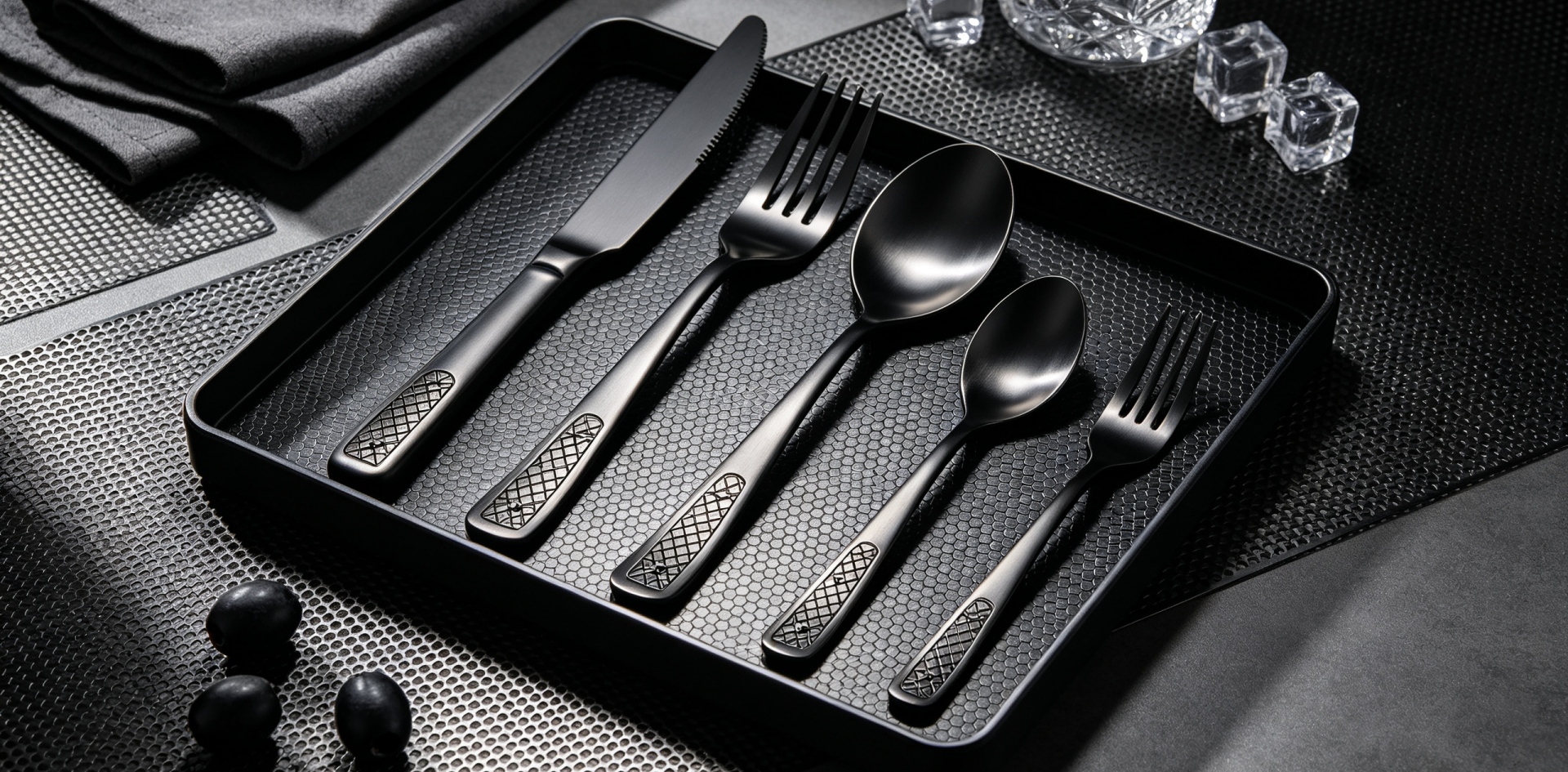
Stainless Steel Spoon Bowl Size and Capacity Guide for B2B Buyers
The bowl is the functional center of a stainless steel spoon, and its dimensions can have a noticeable effect on the product's appearance and intended application. For B2B buyers, choosing a spoon is therefore not simply a matter of selecting a handle design.
Bowl length, width, depth and overall proportion should be considered together when developing a stainless steel spoon for wholesale, foodservice, hospitality or private label markets.
A spoon that looks attractive in a product photograph may still require adjustments when the buyer has a specific application or target market. Clear product specifications and sample approval can help ensure that the final product meets the intended requirements.
Homefelt factory specializes in stainless steel knives, forks, spoons and complete flatware sets, providing OEM, ODM, private label and bulk manufacturing services for international B2B customers.
Why Stainless Steel Spoon Bowl Dimensions Matter
The bowl determines much of a spoon's practical function.
A wider bowl can create a different visual appearance from a narrower one. A deeper bowl can provide a different capacity and eating experience from a relatively shallow design.
These differences become particularly important when a buyer is developing several spoon types for one collection.
For example, a teaspoon and a larger table spoon may use a similar handle design while having significantly different bowl dimensions.
The goal is not to make every spoon identical. Instead, each spoon should have dimensions appropriate for its intended use while maintaining a consistent relationship with the overall collection.
Key Spoon Bowl Specifications
A professional stainless steel spoon specification can include several important measurements.
Bowl length describes the length of the functional bowl section.
Bowl width indicates the maximum or specified width of the spoon bowl.
Bowl depth describes how deeply the bowl is formed.
Overall spoon length combines the bowl and handle into the final product dimension.
The relationship between bowl size and handle dimensions is also important because it determines the overall proportion of the spoon.
For customized products, these parameters can be recorded in a technical drawing or confirmed through an approved sample.
This gives the buyer and manufacturer a clear reference before mass production begins.
Spoon Capacity and Intended Application
Capacity is another consideration when selecting or developing a stainless steel spoon.
Different spoon designs can have different capacities because of variations in bowl width, length and depth.
A smaller spoon may be suitable for applications where a compact portion is preferred, while a larger spoon can be developed for serving or general table use.
For B2B customers, the intended application should therefore be communicated during the product-development stage.
A restaurant supplier, hotel supplier and retail brand may all require different spoon configurations even if they use similar stainless steel materials.
Instead of selecting a product based only on its name, buyers can provide the intended use together with the desired dimensions and reference sample.
This gives the manufacturer more useful information when recommending or developing the product.
How Bowl Shape Influences Product Appearance
The bowl does not have to be a simple oval shape.
Different proportions can create different visual impressions. A longer bowl can produce a more elongated appearance, while a wider bowl can make the spoon look more substantial.
The transition from the bowl to the handle also contributes to the overall design.
For a private label collection, these details can be developed together with the handle profile and surface finish.
A modern collection may use a simple and clean bowl shape, while a decorative collection may use more distinctive proportions.
The important point for B2B buyers is to define the desired appearance before the final sample is approved.
Developing a Spoon From an Existing Reference
Many custom stainless steel spoon projects start with an existing product.
A customer may have a spoon that already performs well in its market and want to reproduce it with a new logo or packaging.
Another buyer may have an existing handle design and require a new bowl configuration.
In both cases, the reference product can provide useful information about the desired proportions.
The factory can review the sample and discuss which dimensions need to remain consistent and which elements can be modified.
For example, the handle may remain unchanged while the bowl width or depth is adjusted for a different application.
This type of development can help customers create a product that is familiar enough for their market while still offering customized specifications.
Sample Approval for Customized Spoon Projects
A spoon bowl can be difficult to evaluate accurately from a two-dimensional drawing alone.
A physical sample allows the buyer to check the actual shape, dimensions, depth and overall proportions.
For a customized project, the buyer can review the spoon together with the matching knife and fork if a complete cutlery set is being developed.
The approved sample can then become the reference for mass production.
For repeat orders, keeping the approved product specification can also help maintain consistency between different production batches.
This is especially valuable for private label brands and distributors that need to reorder the same product over time.
Experience in Stainless Steel Spoon Manufacturing
Producing a stainless steel spoon with customized dimensions requires both product-development experience and manufacturing capability.
The bowl shape needs to be compatible with the required production process while maintaining the appearance and dimensions specified by the customer.
Homefelt has more than 40 years of experience in the stainless steel cutlery business and has experience working with well-known brands.
This experience supports customers developing individual spoons as well as complete stainless steel knife, fork and spoon collections.
For B2B projects, the factory can discuss product dimensions, reference samples, customization requirements and production quantities as part of one project.
Factory Qualifications and Product Documentation
International buyers often evaluate more than the product itself when selecting a stainless steel spoon manufacturer.
Factory audits, quality-management systems and certification information can provide additional background when buyers compare potential suppliers.
Homefelt lists BSCI, SEDEX 4P, BRC and ISO9001 among its audits and qualifications, together with a Disney audit. The company also has FAMA and FSC certificates.
For specific projects, customers can communicate their market requirements and request applicable product documentation or testing information related to their order.
Product samples, specifications and factory qualification information can then be considered together during supplier evaluation.
OEM, ODM and Private Label Spoon Manufacturing
Different B2B customers require different levels of customization.
A wholesaler may choose an existing spoon and request customized packaging.
A restaurant supplier may require a specific bowl size and overall length.
A private label brand may want to create an exclusive spoon with customized bowl proportions, handle design and branding.
Homefelt supports OEM, ODM and private label stainless steel spoon manufacturing according to customer requirements.
The service can include product design, specification development, sample production, logo customization, packaging and transportation coordination.
Customers can therefore create a customized one-stop service package based on their actual project requirements.
From One Spoon to a Complete Cutlery Collection
A customized spoon can also become the starting point for a complete flatware collection.
Once the spoon's main design language has been established, the same visual characteristics can be applied to matching knives and forks.
The functional sections do not need to be identical. The spoon requires its own bowl dimensions, the fork requires its own head and tine structure, and the knife requires its own blade design.
However, the handles, surface treatment and overall proportions can be coordinated.
This creates a collection that looks consistent while maintaining the appropriate function of each individual piece.
For private label brands, this approach can help establish a recognizable product range.
A One-Stop Service Based on Customer Requirements
Every B2B customer has different requirements for product dimensions, quantity, packaging and delivery.
Homefelt can develop a customized service package according to the customer's actual situation.
Customers can provide a reference spoon, drawing, target dimensions, estimated quantity and intended market.
The factory can then assist with product design, specification confirmation, customized production, packaging and transportation coordination.
This one-stop approach allows customers to manage a customized stainless steel cutlery project through one manufacturing partner.
Homefelt aims to provide reliable service and grow together with customers through long-term cooperation.
Stainless Steel Flatware Transition Design for Custom B2B Projects
Stainless Steel Cutlery Handle Design for Custom B2B Flatware
Related Article



