Stainless Steel Spoon Logo Legibility Inspection for Bulk Orders

Stainless Steel Spoon Logo Legibility Inspection for Bulk Orders
For buyers sourcing branded stainless steel spoons, a logo is more than a decorative detail. It identifies the brand, supports product recognition, and helps maintain a consistent appearance across a cutlery collection. If a logo looks sharp on an approved sample but becomes faint, uneven, or difficult to read in bulk production, the finished order may not meet the buyer’s expectations.
For importers, distributors, retailers, and hospitality suppliers, logo legibility should therefore be treated as a defined quality requirement before mass production begins. A clear inspection standard helps the stainless steel spoon factory understand what the customer expects and gives both parties a practical basis for evaluating finished products.
Why Logo Readability Matters in Stainless Steel Spoon Orders
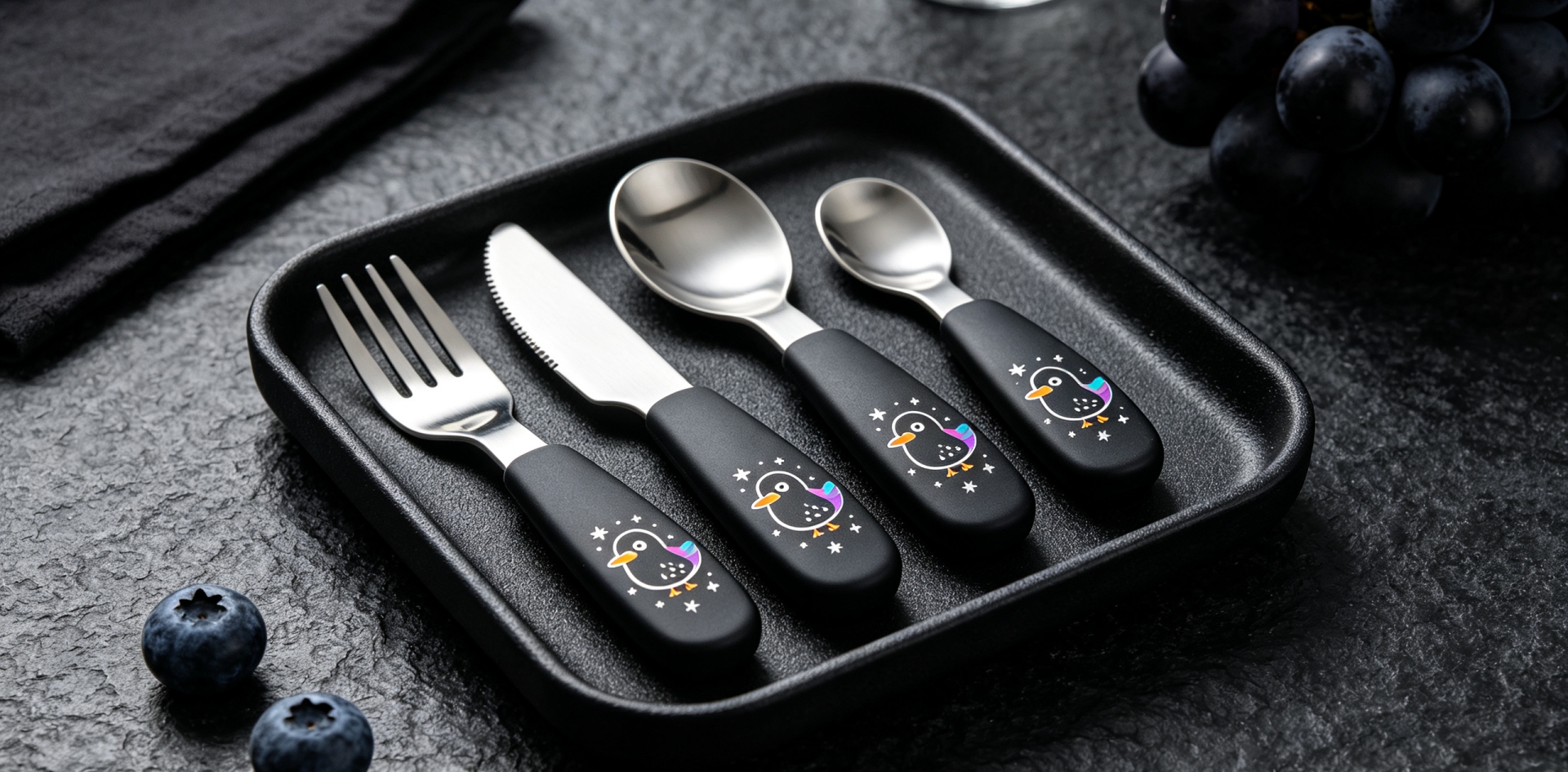
Logos on stainless steel spoons can be small, particularly when they are placed on a narrow handle or incorporated into a compact design. Fine lettering, thin lines, intricate symbols, and closely spaced characters may be difficult to reproduce consistently.
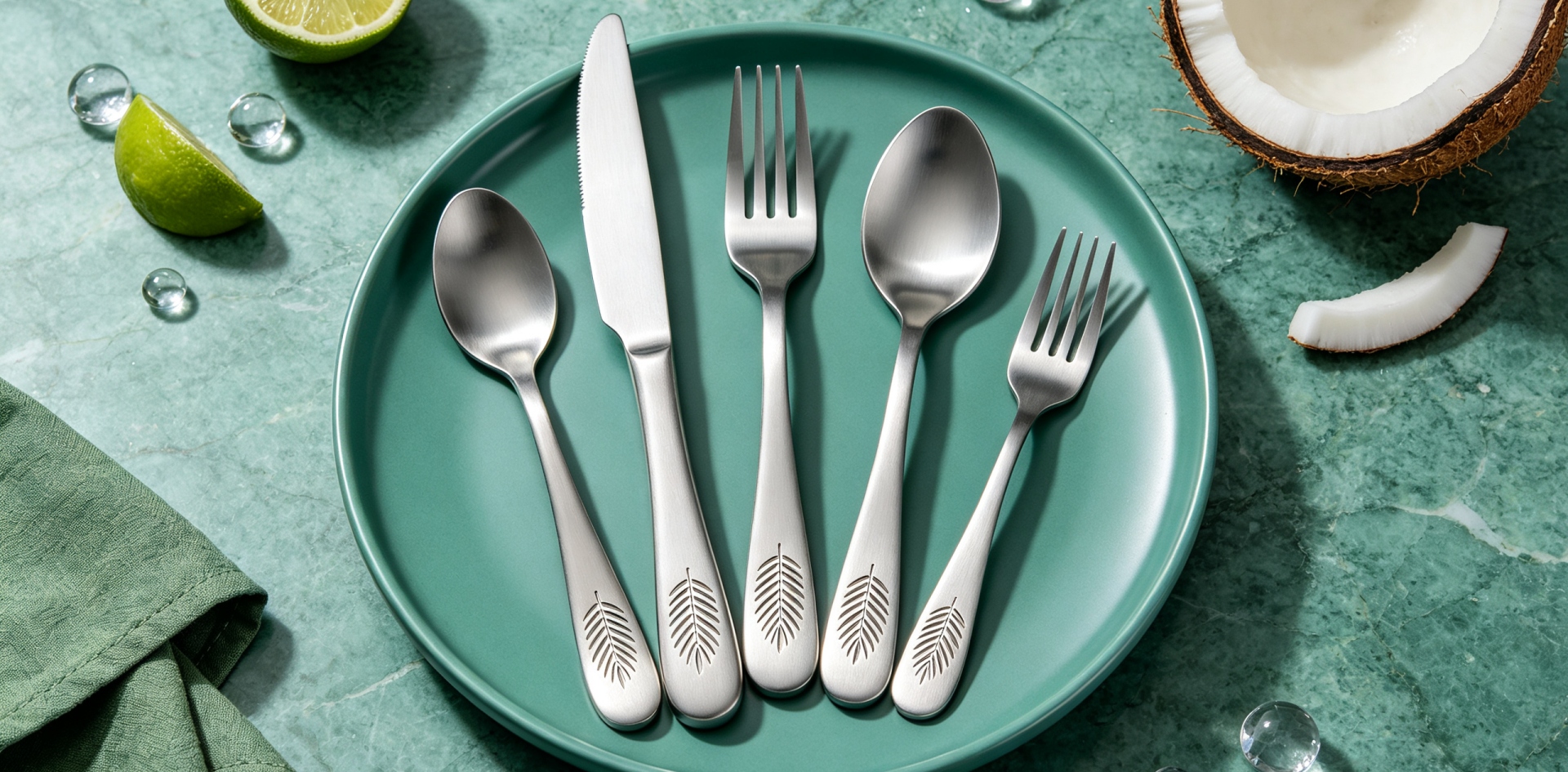
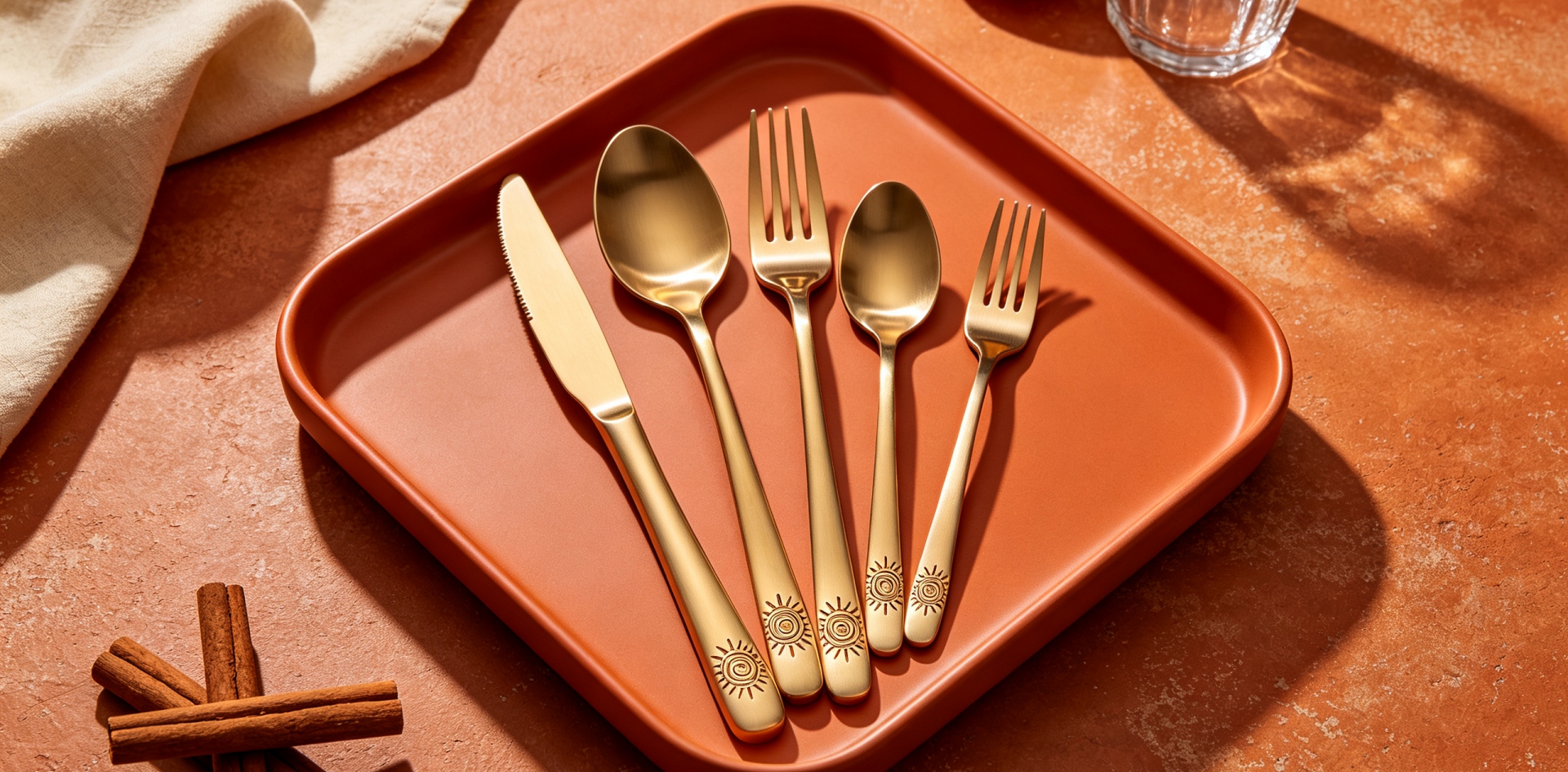
The marking method also affects the final appearance. Depending on the design and production requirements, a logo may be created through laser marking, stamping, or another suitable process. Each method produces a different visual result, so buyers should not assume that all markings will look identical.
A logo that is technically present may still be unsuitable if its characters merge together, its outline is incomplete, or the contrast is insufficient for easy recognition. For private label flatware programs, these details can affect the consistency of the entire product range.
Before placing a bulk order, buyers should define the required logo appearance, marking position, size, and acceptable variation. These requirements are easier to confirm during sampling than after thousands of spoons have been produced.
What Buyers Should Check During Logo Inspection
A practical inspection plan should focus on several visible characteristics rather than simply confirming that a logo exists.
1. Character and Symbol Clarity
Inspect the full logo, including letters, numbers, borders, and graphic elements. Each character should remain distinguishable, and fine lines should not disappear or merge in a way that changes the intended design.
This is particularly important for logos with small text, narrow strokes, or detailed symbols. If the artwork contains elements that are too fine for the selected marking process, the buyer and manufacturer should review the design before approving production.
2. Consistency of Marking Position
Logo readability depends partly on where the mark appears. A logo placed too close to a handle edge, decorative pattern, or curved transition may be harder to see or may appear visually unbalanced.
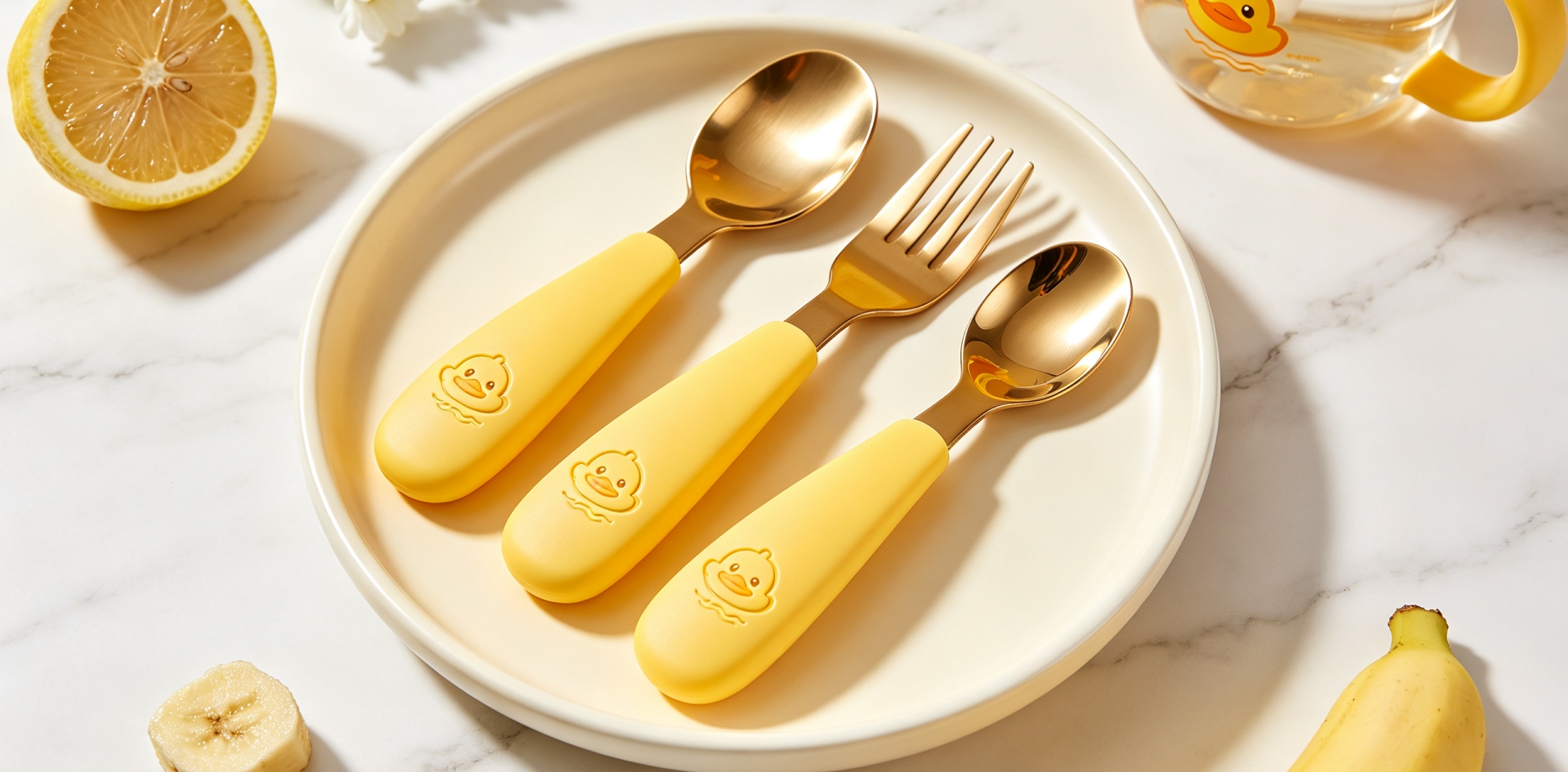
The buyer should approve a defined reference position on the spoon handle or other agreed location. For coordinated cutlery sets, the marking position should also be reviewed across the relevant spoon, fork, and knife designs.
3. Size and Proportion
A logo should be large enough to recognize without overpowering the product design. Its dimensions should suit the available marking area and the shape of the handle.
The approved artwork should specify the intended logo dimensions or provide a clear drawing. If the handle width changes between product models, the same logo size may not produce the same visual result. Confirming each model separately can prevent avoidable differences.
4. Marking Completeness
Check whether the logo is fully reproduced. Missing sections, broken lines, incomplete characters, or irregular edges can make a brand mark look unprofessional.
For laser-marked logos, inspect whether the intended lines and details are consistently visible. For stamped designs, review the clarity of the impression and whether the design remains recognizable without unwanted deformation around the marked area.
The acceptance standard should reflect the selected process and the approved sample rather than assume that every marking technique produces the same depth or contrast.
5. Appearance Under Normal Viewing Conditions
Inspect the spoon under consistent lighting and from a normal viewing distance. Strong reflections from stainless steel can make a marking appear clearer or less visible depending on the angle.
A useful inspection method is to evaluate the logo under agreed lighting conditions and then rotate the spoon slightly to check whether its main features remain recognizable. Photographs can support communication, but they should not replace physical sample approval when the final appearance is important.
Establishing a Reliable Logo Approval Process
A consistent approval process reduces uncertainty between the buyer, design team, and factory.
First, provide the original logo artwork in a suitable digital format. Vector artwork is generally helpful for preserving line quality when dimensions change. Include any requirements for font style, proportions, orientation, and clear space around the logo.
Second, confirm the marking method with the manufacturer. Laser marking and stamping have different capabilities, and suitability depends on the artwork, spoon geometry, material, and desired appearance. If the logo contains very fine details, request a feasibility review before confirming the production specification.
Third, approve a physical sample made with the intended material, marking process, and product design. A digital mock-up can show approximate placement, but it may not accurately represent the final marking contrast or clarity on reflective stainless steel.
Finally, record the approved sample and artwork revision. Both parties should be able to identify which version governs the order. If the artwork changes after approval, the revised version should be reviewed before production continues.
Setting Practical Acceptance Criteria for Bulk Production
An inspection standard should be specific enough to guide decisions but realistic for the marking process.
For example, the purchase specification can identify the required logo artwork, nominal dimensions, marking location, orientation, and critical details that must remain readable. It can also define how samples will be inspected and how visible defects will be classified.
Buyers should distinguish between cosmetic variation and a defect that affects recognition. A slight difference in appearance may be acceptable under an agreed standard, while a missing character or distorted brand symbol may require rejection or corrective action.
Where inspection sampling is used, the buyer and supplier should agree on the sampling plan and acceptance criteria before production. The appropriate sample size depends on order volume, product risk, customer requirements, and the consequences of a marking defect. A sampling plan should not be treated as a guarantee that every unit is defect-free.
If the logo is a critical requirement for a retail program, buyers may also request inspection records showing the quantity checked, defects found, and corrective action taken. These records make it easier to evaluate production consistency and improve future orders.
Coordinating Logo Standards Across Multiple Cutlery SKUs
Many B2B buyers purchase several spoon styles or complete flatware collections in one order. A single logo may need to work across different handle widths, lengths, and surface shapes.
Rather than assuming that one approved sample covers every product, create a model-by-model reference where the marking area differs. Confirm the artwork scale, location, and appearance for each relevant SKU. This is especially useful when a collection includes teaspoons, dessert spoons, tablespoons, or serving spoons.
If the buyer plans to reorder the same product, retain the approved artwork and specification. Repeat orders should reference the same design revision unless a change has been authorized. This helps avoid unnecessary redesign work and reduces the risk of receiving products with an outdated logo.
For orders involving several packaging styles or destination markets, logo approval should also be coordinated with the product specification and packaging artwork. The brand name, product identification, and any printed packaging information should remain consistent with the buyer’s final approved materials.
How Homefelt Supports Custom Stainless Steel Spoon Programs
Homefelt works with B2B buyers sourcing stainless steel spoons and coordinated cutlery products for wholesale and bulk orders. For custom and private label projects, the specification process can cover product design, logo requirements, packaging, and transportation planning according to the customer’s needs.
When developing a branded spoon, buyers can provide their artwork, target dimensions, preferred marking method, and intended order quantity for review. The next step is to assess feasibility and confirm a representative sample before proceeding with mass production.
Homefelt’s experience in stainless steel cutlery manufacturing supports communication around product specifications and order requirements. Relevant business credentials include ISO 9001, BSCI, and SEDEX 4P, with the applicable documentation and scope to be confirmed for the specific project. Buyers who require particular inspection reports or compliance documents should identify those requirements during quotation and order review.
A clear brief at the beginning helps both sides evaluate the design, confirm expectations, and reduce avoidable revisions. It also creates a more reliable reference for future production and replenishment.
Preparing Your Logo Specification Before Requesting a Quote
Before requesting a quotation for custom stainless steel spoons, prepare the logo file, product drawing or reference image, required marking location, approximate logo size, marking preference, order quantity, and packaging requirements.
If you are uncertain whether your artwork can be reproduced clearly on a particular handle design, share the file with the manufacturer for a feasibility review. It is better to identify limitations during product development than to discover them after bulk production has started.
Homefelt can discuss custom spoon specifications, OEM/ODM requirements, private label branding, packaging, and bulk production planning with importers, distributors, and brand owners. Send your product details and expected quantity to ingrid@homefelt.net to discuss a suitable solution and request a quotation.
You May Be Interested In
Stainless Steel Spoon Logo Readability Inspection for Bulk Orders
Stainless Steel Spoon Finish Color Consistency for Bulk Orders
Related Article