Stainless Steel Spoon Prototype Evaluation Before Bulk Production
Stainless Steel Spoon Prototype Evaluation Before Bulk Production
Before placing a large order for a new stainless steel spoon design, B2B buyers need to establish whether the proposed product can be manufactured consistently and meet the intended market requirements. A prototype provides an opportunity to review the design, identify practical issues, and confirm important details before committing to full-scale production.
For importers, distributors, retailers, and private-label brands, prototype evaluation is more than checking whether a spoon looks attractive. The sample should be assessed against the intended dimensions, material, surface finish, branding, usability, and manufacturing requirements. Problems identified at this stage are generally easier to discuss than changes requested after production has started.
Homefelt supports stainless steel cutlery projects through OEM and ODM manufacturing, custom product development, wholesale supply, and bulk production. A structured prototype review helps buyers and the factory establish a clear reference before moving to the next stage.
Define the Purpose of the Prototype
Not all prototypes serve the same purpose. A sample may be created to evaluate the overall design, confirm dimensions, test a finish, review a logo, or demonstrate that a proposed product can be manufactured using the intended process.
Buyers should identify what the sample is expected to prove before reviewing it. A visual concept sample may help assess proportions and appearance, but it may not represent the final material or production method. A sample made using production tooling may provide a more relevant reference for dimensions and manufacturing consistency.
For a stainless steel spoon project, clarify whether the prototype is intended to confirm:
-
Overall product shape and proportions.
-
Bowl and handle dimensions.
-
Material grade and thickness requirements.
-
Surface finish and decorative details.
-
Logo design and placement.
-
Expected function and handling.
-
Packaging presentation, where included in the sample stage.
This distinction prevents a preliminary sample from being treated as final approval when important technical characteristics have not yet been verified.
Evaluate the Spoon Against the Intended Design
A prototype should be reviewed against the approved drawing or design brief rather than judged solely by appearance. This is particularly important when the spoon contains customized dimensions, a distinctive handle, or decorative features.
Start with the overall length, bowl width, handle proportions, and other critical dimensions. Compare the measured results with the drawing and agreed tolerances. If the design includes curved or irregular features, make sure the measurement points are clearly defined so the buyer and manufacturer can interpret the results consistently.
Next, examine the relationship between the bowl and handle. The spoon should follow the intended profile, with no obvious distortion or unexpected asymmetry beyond the agreed design requirements. The appearance of the finished item should also be compared with the approved visual reference.
If a prototype differs from the drawing, record the specific deviation instead of relying on comments such as “slightly too large” or “not quite right.” A measurement, annotated image, or marked-up drawing provides a clearer basis for revision.
Confirm Material and Surface Finish Requirements
The prototype should use the material and finish required for the final product, or clearly identify any differences if it is only a preliminary sample.
For stainless steel spoons, buyers should confirm the agreed material grade and relevant technical requirements. Where material composition must be verified, appropriate documentation or testing should be used rather than relying on color, shine, or visual appearance.
Surface finish also deserves careful review. A mirror-polished spoon and a brushed-finish spoon may use the same basic design but create different visual impressions. Buyers should assess the prototype under consistent lighting and compare it with the agreed finish reference.
Check for unacceptable scratches, dents, stains, uneven polishing, or other visible deviations against the project requirements. If a colored coating or decorative treatment is involved, confirm the expected appearance and any relevant performance requirements before approval.
The purpose is to establish a clear finish standard that can be referenced during production and final inspection.
Review Function and Practical Handling
A spoon prototype should be evaluated in the context of its intended use. For a standard dining spoon, buyers may review balance, handling comfort, bowl shape, and the relationship between the handle and bowl. A serving spoon may have different requirements from a teaspoon intended for everyday dining.
Where function is important, use a consistent evaluation method rather than relying only on personal impressions. Record the specific concern, the condition under which it appears, and whether it reflects a required product characteristic.
For example, if the handle feels uncomfortable, identify whether the issue relates to width, thickness, edge shape, or the transition between the handle and bowl. If the bowl appears too shallow for the intended application, communicate the desired change through a drawing or measurable requirement where possible.
Functional evaluation should reflect the actual target market and customer expectations. A design preferred by one buyer may not suit every market, so feedback should be tied to the agreed product brief.
Check Branding and Decorative Details
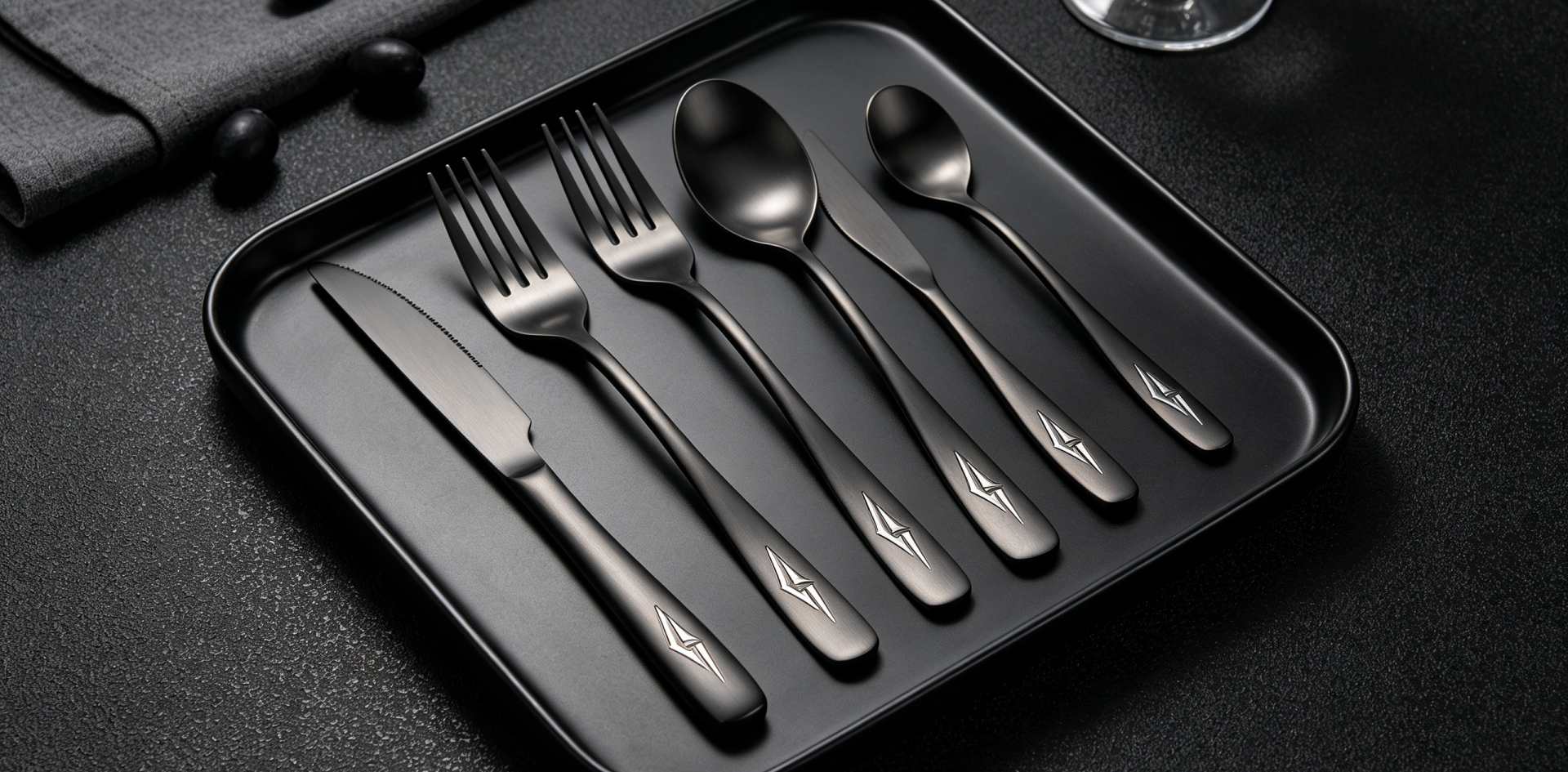
For OEM and private-label products, branding is part of the product approval process. A prototype may have the correct spoon shape but still require revision if the logo is too large, poorly positioned, unclear, or inconsistent with the approved artwork.
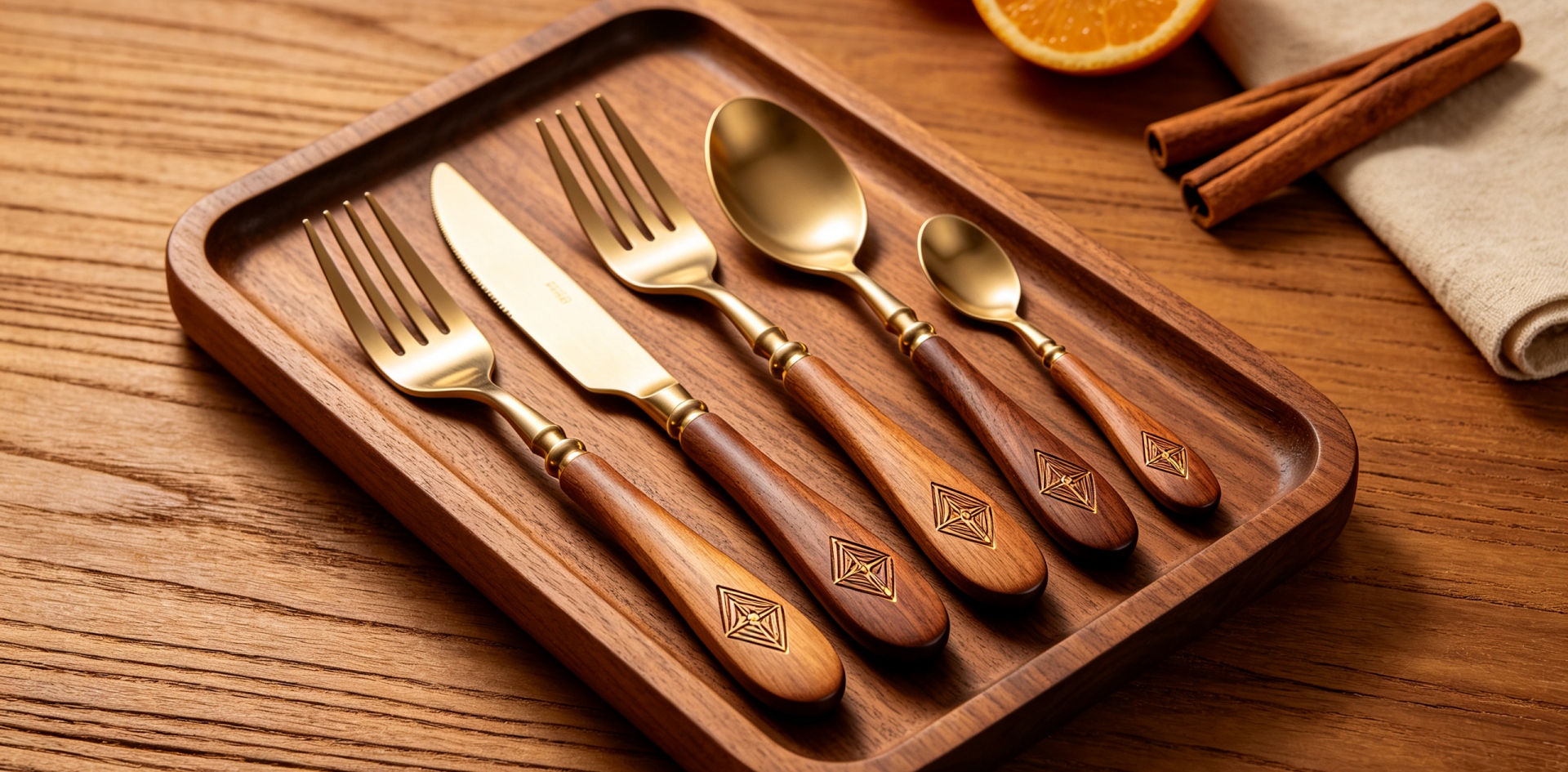
Review the logo's position, orientation, proportions, and legibility. Check decorative patterns and other customized features against the submitted design files. Where the marking method affects the final appearance, confirm that the sample represents the intended production approach or clearly note any differences.
Feedback should identify the exact issue. Instead of requesting a logo that is simply “more visible,” specify the preferred placement, size, or orientation using an annotated image or updated artwork.
Once approved, the final branding reference should be retained with the product drawing and specification. This helps prevent different teams from using different versions during production.
Assess Manufacturing Feasibility Before Final Approval
A prototype may demonstrate the intended appearance without fully revealing how practical the design will be for large-scale manufacturing. The factory should review whether the proposed dimensions, material, tooling, decorative details, and finishing requirements can be produced consistently.
For a custom stainless steel spoon, the assessment may consider whether the design requires specialized tooling, additional production steps, difficult polishing areas, or tighter tolerances than the standard process can reliably maintain.
The buyer and manufacturer should distinguish essential design requirements from features that can be adjusted without affecting the product's commercial purpose. If a requested feature introduces significant complexity, the factory can explain the implications and propose alternatives for discussion.
Any proposed change should be approved by the buyer before it becomes part of the final specification. A manufacturing recommendation should not silently replace the original design intent.
Establish a Clear Sample Approval Record
Verbal approval can create uncertainty when a project involves several stakeholders or multiple revisions. A written approval record provides a clear reference for the next stage.
The record should identify the product model, sample version, drawing revision, material, finish, logo artwork, and any agreed deviations. It should also state whether the sample is approved for production or whether further changes are required.
If the prototype is rejected, consolidate the feedback into one revision list where possible. Include photographs, measurements, annotated drawings, and the priority of each requested change. This makes it easier for the manufacturer to prepare the next sample accurately.
For projects with several spoon models, approve each model separately and identify any common specifications that apply across the range. Approval of one design should not automatically be interpreted as approval of every related item.
Understand the Difference Between Sample Approval and Production Approval
A signed or documented sample approval establishes the intended product reference, but it does not replace production quality controls. Mass production still needs to follow the approved specifications and applicable inspection procedures.
Before authorizing the bulk order, buyers should confirm that the final product specification, production requirements, packaging details, and quality expectations are documented. If the production sample differs from an earlier concept sample, the approved version should be clearly identified.
Depending on the project, buyers may also request relevant material documentation, inspection reports, or applicable certificates and test reports. These documents should correspond to the actual product and stated requirements; they should not be assumed to verify characteristics that were not tested.
This separation between design approval and production control helps buyers avoid treating a successful prototype as proof that every finished item will automatically be identical.
Prepare Your Next Stainless Steel Spoon Project With Homefelt
A useful prototype review begins with a clear design brief. Share the target market, intended use, estimated order quantity, material preference, finish, branding requirements, and any relevant dimensions. If you already have a reference product or technical drawing, include it with the inquiry.
Homefelt offers OEM and ODM manufacturing for stainless steel spoons and other cutlery products, along with wholesale and bulk production support. Its one-stop service can help coordinate product design, packaging, and transportation according to the customer's project requirements.
By reviewing prototypes systematically and documenting the approved details, buyers can reduce misunderstandings before production and create a stronger foundation for repeat orders.
For custom spoon development, sample evaluation, or a bulk order quotation, contact ingrid@homefelt.net. Share your product references and target specifications to discuss the next steps with Homefelt.
You May Be Interested In
Stainless Steel Spoon Product Phase-Out Planning for B2B Buyers
Stainless Steel Spoon Product Specification Sheets for B2B Orders
Related Article