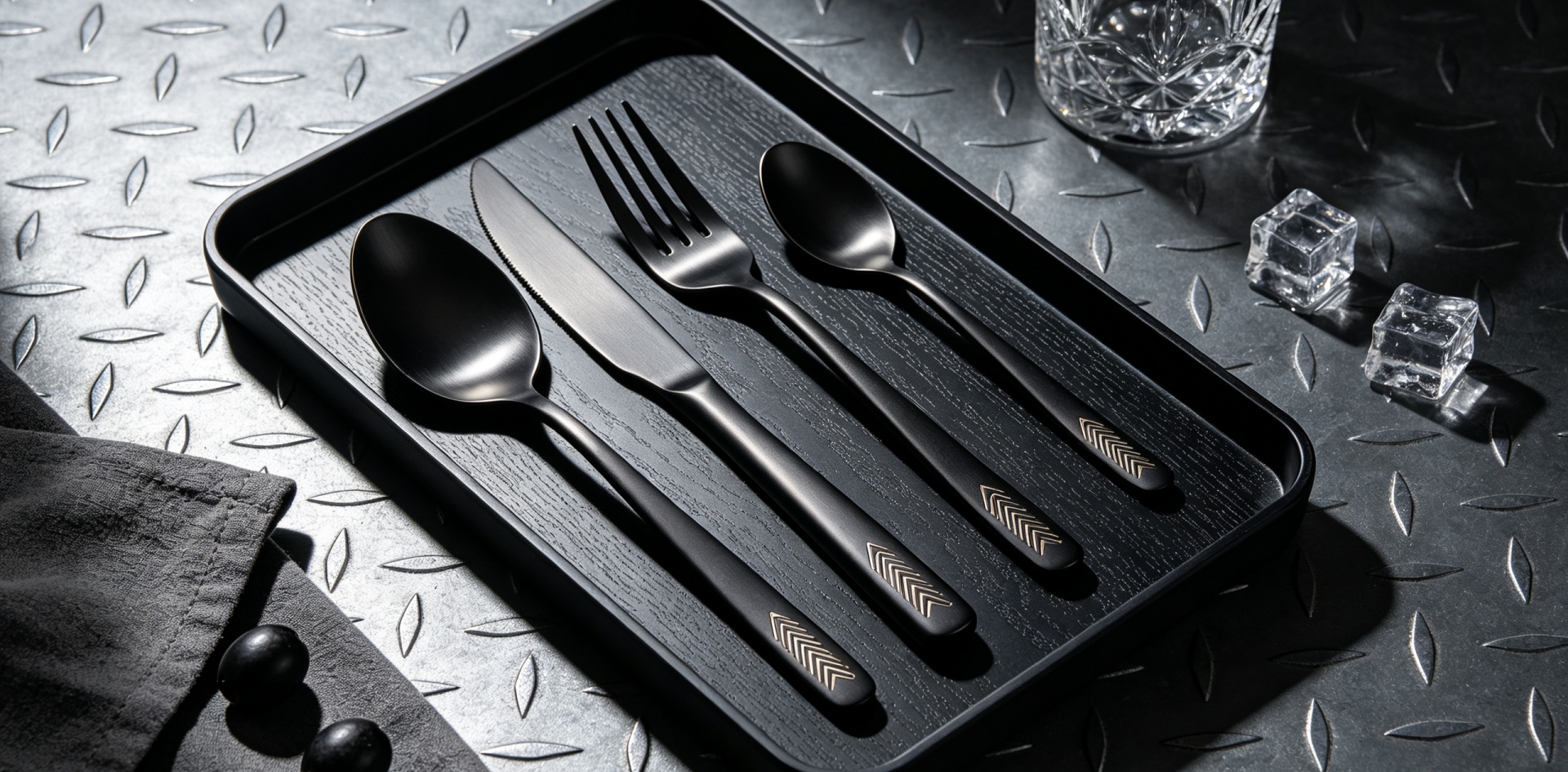
Stainless Steel Spoon Weight: Balancing Comfort, Quality and Market Positioning
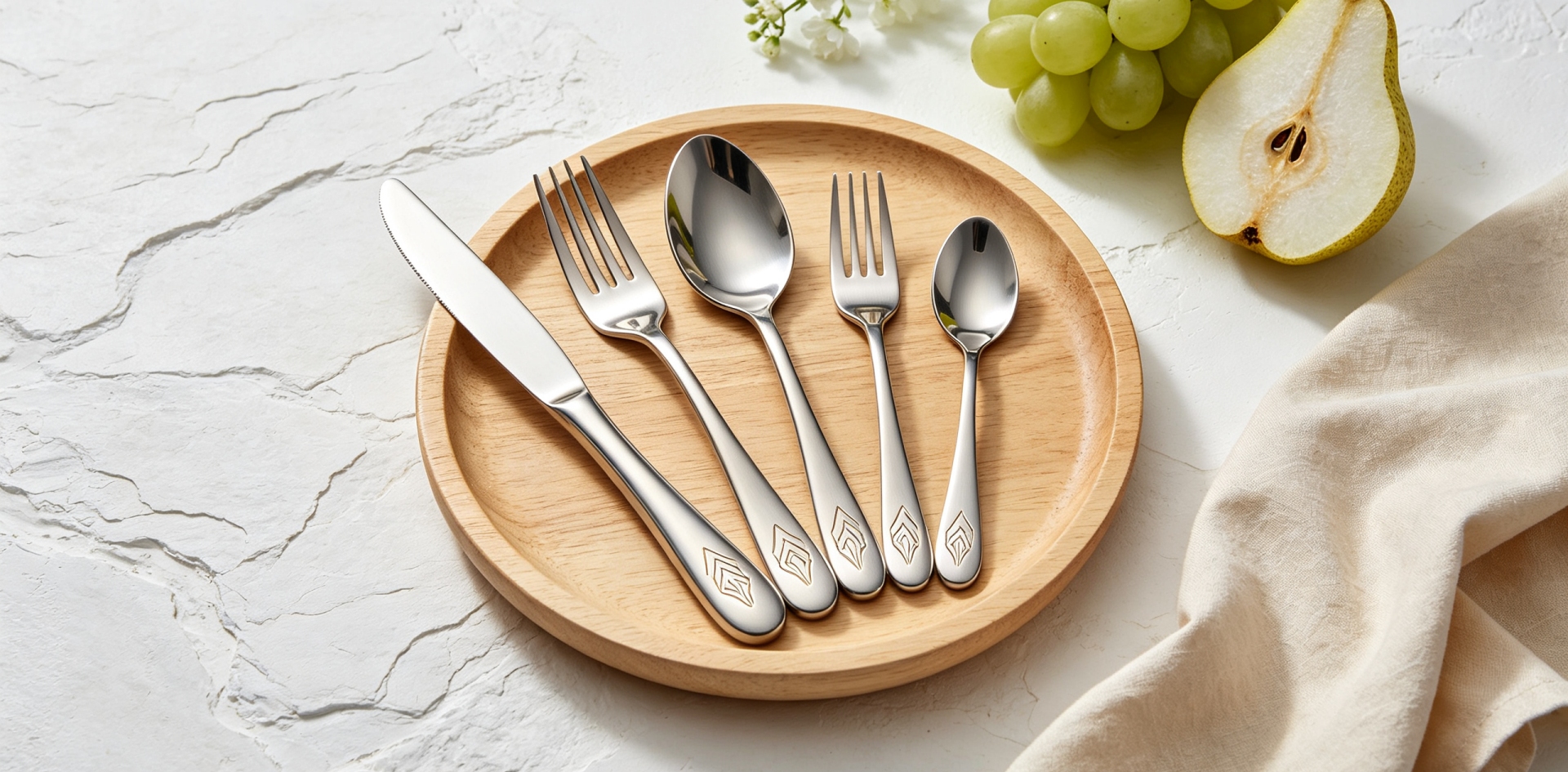
Stainless Steel Spoon Weight: Balancing Comfort, Quality and Market Positioning
When buyers compare stainless steel spoons, weight is one of the details that can change how a product feels and how customers perceive its quality. Two spoons may look similar in a product photograph but feel noticeably different when held.
For importers, retailers and private label brands, understanding spoon weight helps when developing products for different price points and customer expectations. A lightweight spoon may suit a practical everyday collection, while a heavier design may create a more substantial impression for selected premium ranges.
The objective is not to make every spoon as heavy as possible. It is to find a suitable balance between handling comfort, design, intended use and commercial positioning.
Why Spoon Weight Matters to B2B Buyers
Weight influences the physical experience of using a spoon. It also affects how a product is presented within a cutlery collection.
For buyers developing a product range, weight can help distinguish between different design directions, such as everyday tableware and more substantial premium-style cutlery.
Several factors should be considered together:
-
Total spoon weight
-
Overall length and bowl dimensions
-
Handle width and thickness
-
Material specification
-
Product balance
-
Intended application
-
Target selling price
Weight should never be evaluated in isolation. A longer spoon will not necessarily feel heavier or better balanced than a shorter one, and a higher weight does not automatically indicate superior quality.
Lightweight Stainless Steel Spoons
Lightweight designs can be suitable for products where convenient handling and practical everyday use are priorities.
They may appeal to buyers developing entry-level retail collections, promotional products or tableware ranges designed for broad distribution.
Potential advantages include:
-
Easier handling for some users
-
A less substantial feel when that is preferred
-
Flexibility in developing cost-conscious product ranges
-
Suitability for certain compact or minimalist designs
However, lightweight construction still needs to feel appropriate for the product. If the handle is too thin or the overall proportions are poorly balanced, the spoon may feel less satisfying to the intended customer.
For B2B buyers, sample evaluation is the best way to determine whether a lightweight design meets the desired expectations.
Heavier Stainless Steel Spoons
A heavier spoon can create a more substantial impression in the hand. This may suit selected premium retail collections, gift sets or tableware ranges where customers expect a solid feel.
A heavier design may also use a broader handle or different proportions, which can influence its visual character.
However, added weight should serve a clear purpose. If a spoon becomes unnecessarily heavy, some users may find it less comfortable during repeated use.
For this reason, buyers should consider weight together with balance, handle design and intended application.
How Design Influences Weight
The total weight of a stainless steel spoon is affected by several design decisions.
Overall Dimensions
A larger spoon generally uses more material when other design characteristics are similar. Overall length, bowl size and handle proportions all contribute to the finished weight.
Handle Construction
Handle width, thickness and profile can significantly influence how substantial a spoon feels.
A broad handle may add weight and create a stronger visual presence. A slimmer profile may support a lighter, more delicate appearance.
Bowl Geometry
The dimensions and shape of the bowl also affect the amount of material used. A spoon with a broader or deeper bowl may have a different weight from one with a smaller, shallower profile.
Material and Design Specification
Material selection and product geometry work together to determine the final result. Buyers should therefore confirm the intended material and dimensions before setting a target weight.
A manufacturer can assess these factors as part of product development and help identify a practical design direction.
Weight and Perceived Quality
Customers often use physical feel as one of several signals when evaluating tableware. Weight can contribute to this impression, but it is not a reliable quality measure by itself.
A well-designed spoon should also have:
-
Consistent dimensions
-
Smooth finishing
-
Comfortable proportions
-
Appropriate balance
-
A coordinated appearance
-
A finish suited to the product concept
A spoon that is heavy but poorly balanced may feel less comfortable than a lighter spoon with carefully considered proportions.
For brands, the goal should be to create a product that meets customer expectations rather than using weight as a substitute for overall product quality.
Selecting Weight for Different Market Segments
Different product categories may require different weight targets.
Everyday Retail Tableware
Everyday collections often need to balance practical use, appearance and price. A moderate weight may be appropriate when the product is intended for a broad customer base.
Premium Flatware
Premium collections may benefit from a more substantial feel, depending on the brand's design direction and customer expectations.
Hospitality Supply
For hospitality buyers, the intended application and handling experience should guide the specification. A spoon used repeatedly in commercial settings needs to feel suitable for its role rather than simply being heavy.
Gift and Lifestyle Collections
For gift products, weight may contribute to the perceived substance of the item. It should still be considered alongside presentation, design and the overall collection.
These are starting points rather than fixed rules. The most appropriate weight depends on the specific product and target market.
How B2B Buyers Should Specify Spoon Weight
If weight is important to a project, buyers should include it in the product specification.
A useful specification may contain:
| Specification | What to confirm |
|---|---|
| Product type | Table spoon, dessert spoon or another style |
| Overall length | Agreed length in millimeters |
| Bowl dimensions | Length and width, with depth where relevant |
| Handle dimensions | Key width and thickness measurements |
| Target weight | Agreed weight in grams |
| Material | Confirmed stainless steel specification |
| Surface finish | Approved finish |
| Reference | Technical drawing or approved sample |
The target weight should be realistic for the proposed design. It should be confirmed together with the dimensions, rather than chosen without considering the product geometry.
Sample Comparison: A Practical Evaluation Method
When developing a new spoon, buyers may compare several samples with different weight profiles.
The purpose is to identify which option best fits the product concept.
A practical review can include:
-
Hold each sample using the same grip.
-
Compare the perceived balance between handle and bowl.
-
Evaluate comfort during normal use.
-
Review the spoon's visual proportions.
-
Compare the sample with matching forks and knives.
-
Record the preferred weight and dimensions.
If a reference spoon already exists, buyers can also provide it to the manufacturer as a starting point for discussing the desired feel.
This can be especially helpful when developing a private label collection intended to match an established product.
Maintaining Weight Consistency in Bulk Orders
For B2B projects, agreeing on a target weight is only the beginning. The finished products should also remain consistent with the approved specification.
Weight differences can be influenced by changes in dimensions, material thickness and product geometry.
Buyers should therefore confirm the reference sample and agreed specifications before mass production. Where weight is a critical requirement, the acceptance criteria should also be discussed in advance.
This provides a clearer basis for evaluating production batches without treating weight as the only indicator of quality.
How Homefelt Supports Product Development
Homefelt manufactures stainless steel spoons, forks, knives and complete cutlery collections for international B2B customers.
For buyers who have a particular weight or handling preference, the project can begin with an existing product, a physical reference or a new design concept. The required dimensions, intended application and target market can then be discussed together.
Homefelt supports OEM and ODM projects, customized product development, wholesale and large-volume production. Customers can also discuss packaging and transportation as part of a coordinated service plan.
This allows importers, distributors and private label brands to develop a product specification that reflects their market needs instead of relying on a generic spoon design.
A Checklist Before Confirming Your Specification
Before approving a stainless steel spoon for production, consider these questions:
-
What type of customer will use the spoon?
-
Is a lightweight or more substantial feel appropriate?
-
Does the weight suit the spoon's overall dimensions?
-
Is the handle comfortable and well balanced?
-
Does the spoon match the intended price and product positioning?
-
Has the target weight been recorded in grams?
-
Has the reference sample been approved?
-
Are the requirements clear for future repeat orders?
Answering these questions helps turn a general preference into a more precise product brief.
Conclusion
Stainless steel spoon weight influences handling, balance and product perception, but heavier does not always mean better. The best weight depends on the design, intended use and expectations of the target customer.
For B2B buyers, the most effective approach is to evaluate weight alongside dimensions, handle proportions, bowl geometry and the complete cutlery collection.
Homefelt supports customized stainless steel spoon development for importers, distributors and private label brands. If you are planning a new collection or need a spoon with a specific feel, contact Homefelt to discuss your reference sample, target weight and product requirements.
You May Be Interested In
Stainless Steel Spoons for Children: Size, Design and B2B Product Planning
Stainless Steel Spoon Handle Design: Comfort, Balance and B2B Product Development
Related Article