
Stainless Steel vs Plastic or Silicone for Kids Cutlery
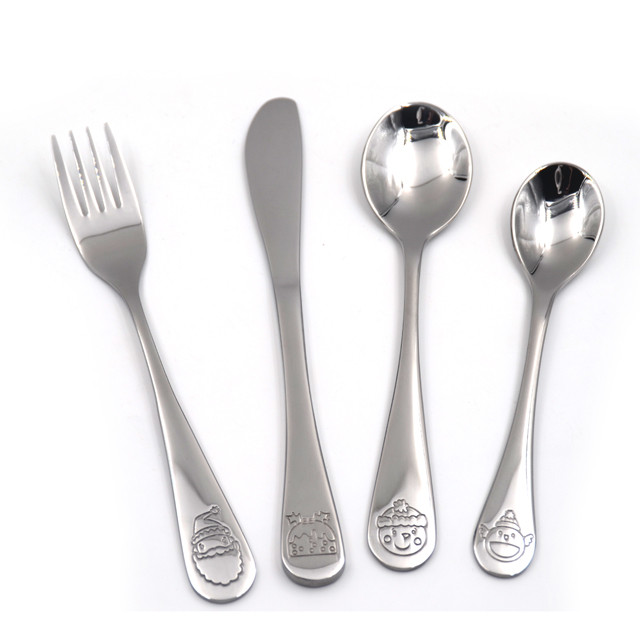
When choosing the right material for baby and kids cutlery, parents, manufacturers, and retailers often face a challenging decision: should they choose stainless steel, plastic, or silicone? Each material offers different benefits and drawbacks, but when it comes to durability, safety, and long-term value, stainless steel consistently stands out as the best choice for children’s dining utensils.
In this article, we’ll compare stainless steel, plastic, and silicone cutlery to help you understand why stainless steel is the preferred material for kids' forks, spoons, and knives.
1. Material Safety: Why Stainless Steel Wins
Stainless Steel: Food-Safe & Chemical-Free
Stainless steel is non-reactive with food, making it one of the safest materials for kids' utensils. It does not leach chemicals, odors, or harmful substances, ensuring the safety of young children when they self-feed.
-
FDA-approved for food contact
-
Non-toxic, BPA-free, and phthalate-free
-
No migration of harmful chemicals even with prolonged exposure
Plastic utensils, on the other hand, may contain BPA or other chemicals that can leach into food, especially when subjected to heat or wear over time. Although BPA-free plastics are now widely used, the potential risks of chemical migration remain a concern, particularly for young children.
Silicone is generally considered safe, as it is BPA-free and does not leach harmful chemicals. However, over time, silicone can degrade or discolor, and it may still be less durable than stainless steel in the long run.
2. Durability: Stainless Steel Outlasts the Rest
Stainless Steel: Built to Last
Stainless steel is renowned for its strength and long-lasting durability. Kids can be rough on their utensils, dropping them, bending them, or using them for all kinds of food. Stainless steel cutlery can withstand this abuse without losing its shape or function.
-
Resistant to corrosion and rust
-
Won’t bend, warp, or crack
-
Dishwasher-safe and retains its look even after multiple washes
In contrast, plastic utensils are more likely to break, crack, or become discolored after extended use, particularly if exposed to heat. This makes plastic cutlery a short-term solution for many parents and retailers, but not ideal for durability.
Silicone offers more flexibility and resistance to wear and tear compared to plastic, but it is not as tough as stainless steel. Silicone can tear or become discolored over time, especially with repeated washing or exposure to food acids.
3. Hygiene: The Stainless Steel Advantage
Stainless Steel: Smooth, Non-Porous Surface for Easy Cleaning
When it comes to hygiene, stainless steel is the easiest material to clean. Its non-porous surface means food particles and bacteria have a harder time sticking, making it easier to maintain.
-
Does not absorb odors
-
Dishwasher-safe for easy and hygienic cleaning
-
Quick-drying, which reduces bacteria buildup
Plastic can be harder to clean thoroughly, especially when food gets stuck in cracks or crevices. Over time, plastic utensils may absorb odors or stains, which can be difficult to remove, especially in dishwasher environments.
Silicone, while easy to clean and resistant to bacteria, still tends to hold onto food odors. It can also discolor more easily, especially when exposed to acidic or highly pigmented foods like tomato sauce or carrots.
4. Environmental Impact: Sustainability of Materials
Stainless Steel: Eco-Friendly & Sustainable
As more consumers prioritize sustainability, stainless steel is a clear winner in terms of environmental impact. 100% recyclable and durable, stainless steel can be used for decades and recycled at the end of its life without losing quality.
-
Recyclable material
-
Long-lasting, reducing the need for frequent replacements
-
Sustainability-focused: stainless steel supports eco-conscious brands
On the other hand, plastic is a major environmental concern, as it takes hundreds of years to decompose in landfills. Even when recycled, plastic can only be reused a limited number of times, leading to plastic pollution.
Silicone, while not as environmentally harmful as plastic, still does not degrade as easily as stainless steel. Though silicone is recyclable, it is not as widely accepted in recycling programs, making it less eco-friendly than stainless steel.
5. Price vs. Value: Stainless Steel Offers Long-Term Value
Stainless Steel: Cost-Effective in the Long Run
Although stainless steel utensils may cost more upfront, they offer superior long-term value due to their durability and hygienic properties. With proper care, stainless steel cutlery can last for many years, saving families and brands the cost of constant replacement.
In comparison, plastic and silicone cutlery may require frequent replacement, leading to higher costs over time, especially in households with young children.
-
Higher initial cost but longer lifespan
-
Fewer replacements needed
-
Better investment for eco-conscious or budget-conscious families and businesses
Conclusion: Why Stainless Steel is the Best Choice for Kids Cutlery
While plastic and silicone may have their place in certain products, stainless steel is undoubtedly the best material for baby and kids cutlery due to its safety, durability, hygiene, and long-term value.
For brands, manufacturers, and parents looking for the safest, most sustainable, and cost-effective solution, stainless steel cutlery represents a reliable investment that will stand the test of time.
If you're looking to add stainless steel baby and kids cutlery to your product line, contact us for high-quality, customized manufacturing solutions.
About Our Manufacturing Expertise
We specialize in OEM and private label stainless steel baby & kids cutlery, offering safety-focused designs, compliant materials, and scalable production for global markets.
Contact us to learn more about our stainless steel kids cutlery solutions.
Unique Ocean Themed Seafood Butter Knife Set
Portuguese Series Cutlery



