
Stainless Steel vs Plastic vs Silicone for Kids Cutlery
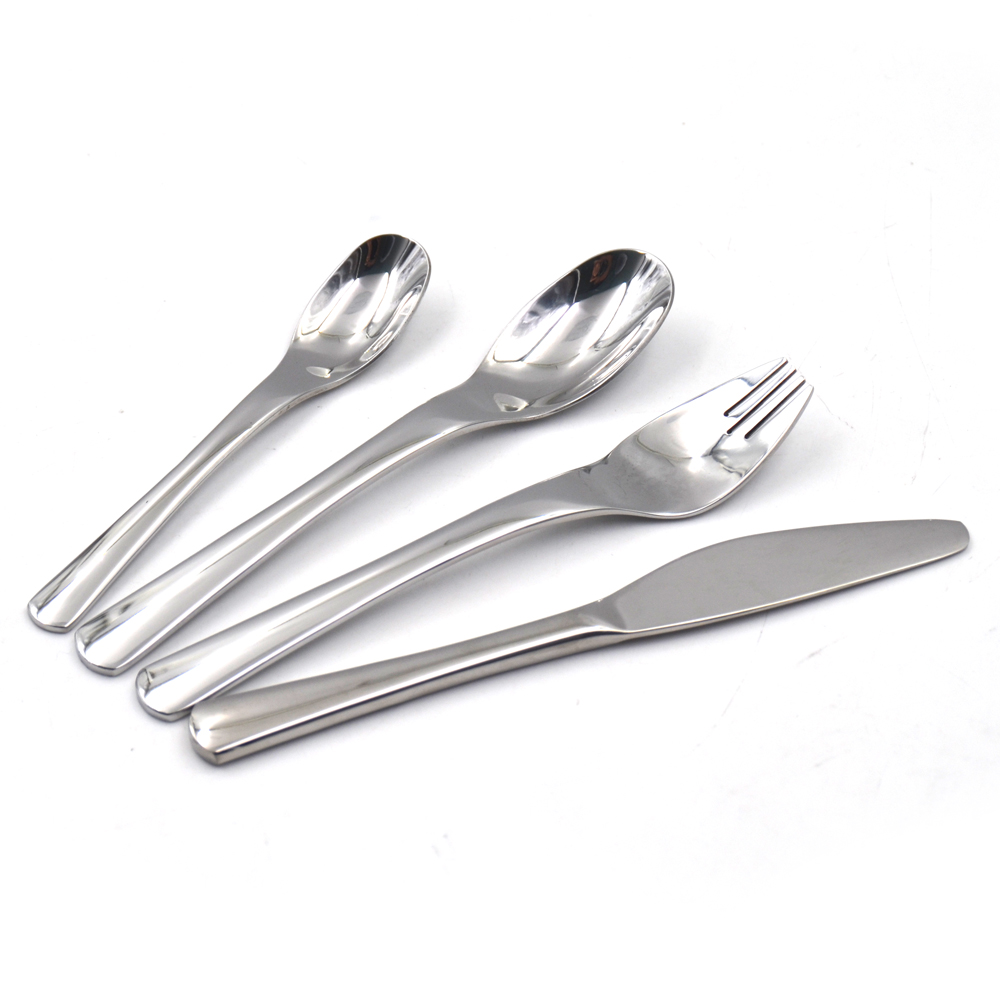
Parents often see many material options when choosing kids cutlery: plastic, silicone, and stainless steel. Each has its place, but they perform very differently over time.
Plastic cutlery is lightweight and low-cost, but it can scratch easily. Once the surface is damaged, it becomes harder to clean thoroughly. Over time, plastic may absorb odors or discolor, which raises hygiene concerns for parents.
Silicone handles are popular for grip and softness. However, silicone is not always easy to clean completely. It can absorb smells and oils, especially after long-term use. In assembled designs, the joint between silicone and metal is often the weakest point.
Stainless steel, by contrast, offers stability. It does not scratch easily, does not absorb residue, and remains easy to clean. When used as a one-piece design, it eliminates joints entirely, reducing hygiene risks.
From a brand perspective, stainless steel cutlery reduces uncertainty. It performs consistently across different use conditions and climates. This is why many brands use stainless steel as the core material, even when combining it with plastic or silicone handles for comfort.
In EU and US markets, where product reviews and safety perception strongly influence purchasing decisions, stainless steel remains the lowest-risk option for kids cutlery.


Silicone Handle Stainless Steel Cutlery Comfort with Easy Cleaning
Stainless Steel the Best Material for Baby and Kids Cutlery



