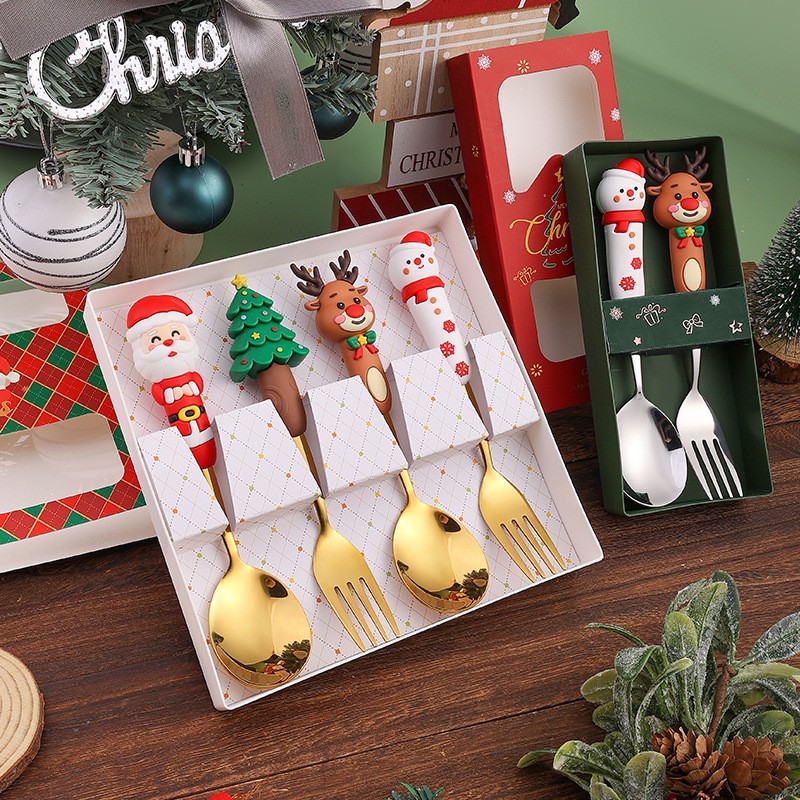
The Art of Customization Cutlery Set
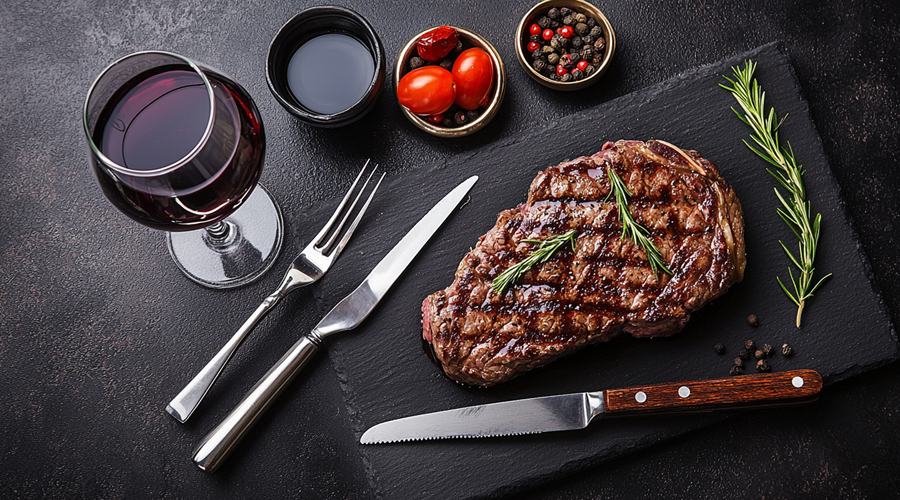
In an increasingly competitive marketplace where brand differentiation has become paramount, forward-thinking companies are discovering an unexpected canvas for corporate identity: custom-designed stainless steel tableware. What was once considered purely functional cutlery has evolved into a sophisticated brand communication tool, thanks to advanced customization technologies including laser engraving, precision stamping, specialized printing, and electrochemical etching. These "light customization" applications are creating new opportunities for brand engagement, customer loyalty, and revenue generation across multiple industries.
The strategic implementation of customized stainless steel utensils represents a convergence of material science, manufacturing innovation, and marketing intelligence. Unlike temporary promotional items that are quickly discarded, customized tableware integrates brand messaging into daily rituals, creating repeated impressions that strengthen brand recall and affinity. "We're witnessing a fundamental shift in how businesses view promotional products," explains Michael Thompson, branding strategist at a global marketing firm. "The move is toward high-quality, functional items that consumers actually want to keep and use. Customized stainless steel cutlery checks all the boxes—it's durable, aesthetically pleasing, practical, and when properly customized, becomes a tangible representation of brand values that gets used daily."
The Technology Spectrum: Matching Methods to Marketing Objectives
The revolution in tableware customization is powered by four primary technologies, each offering distinct advantages for different applications:
Laser Engraving/Etching
Laser technology has emerged as the premium choice for intricate, permanent customization. Using concentrated CO2 or fiber laser beams, this method vaporizes microscopic portions of the stainless steel surface to create precise, detailed designs. The process can achieve remarkable resolution of up to 1,000 DPI, capturing fine lines, small text, and complex logos with photographic quality. "Laser etching isn't just a marking process; it's a transformation of the material's surface properties," notes Dr. Sarah Chen, materials engineer at a leading manufacturing research institute. "The process creates markings that are integral to the material itself—they won't fade, peel, or wear off through decades of use and dishwasher cleaning cycles." Beyond black and silver contrasts, advanced laser systems can now produce color markings through controlled oxidation processes, creating striking visual effects without inks or dyes.
Precision Stamping
For high-volume customization projects requiring cost efficiency and rapid production, precision stamping remains the technology of choice. This process uses custom-designed dies pressed into the stainless steel with controlled force, creating crisp, three-dimensional impressions. Modern stamping technology has evolved significantly, with computer-controlled systems ensuring consistent depth and clarity across thousands of units. While traditionally limited to simpler designs, advancements in die-making now allow for surprisingly detailed patterns and textures. The tactile quality of stamped customization creates an additional sensory dimension that reinforces brand presence with every use.
Specialized Printing Techniques
The development of advanced ceramic-based inks and UV-curing technologies has transformed printing on stainless steel from a temporary solution to a durable customization method. Modern printing processes can achieve full-color designs, gradients, and photographic-quality images that were previously impossible with metal marking technologies. The key advancement has been in bonding technology—specialized inks now fuse with the stainless steel surface at a molecular level when cured with high-intensity UV light. When properly applied, these printed designs withstand commercial dishwashing, chemical cleaners, and years of abrasion. This method has opened new possibilities for elaborate artwork, seasonal designs, and limited-edition collaborations that would be cost-prohibitive with other technologies.
Electrochemical Etching
This sophisticated process uses controlled electrical currents and specialized electrolytes to selectively remove material, creating smooth, precise markings without affecting the structural integrity of the utensil. Electrochemical etching produces exceptionally clean, burr-free results with a distinctive visual appearance—typically a dark gray marking that contrasts elegantly with the surrounding metal. The process is particularly valued for medical and food service applications where absolute smoothness is required to prevent bacterial entrapment. "Electrochemical etching represents the intersection of precision engineering and aesthetic refinement," observes manufacturing specialist James Robertson. "It creates markings that are both visually striking and perfectly smooth to the touch, meeting the highest standards of both design and hygiene."
Strategic Applications Across Industries
The implementation of customized stainless steel tableware extends far beyond traditional corporate gifts:
Hospitality and Food Service
High-end restaurants are increasingly commissioning custom-designed cutlery as an extension of their brand identity. "Our custom utensils communicate attention to detail before the first course even arrives," explains Antonio Ricci, chef-owner of a Michelin-starred restaurant in New York. "The weight, balance, and custom logo on each piece establishes our commitment to excellence from the moment guests pick up their forks." Beyond fine dining, food chains are using customized utensils to enhance brand consistency across locations while reducing loss rates through distinctive marking.
Corporate Branding and Client Gifts
Progressive companies are moving beyond traditional promotional items toward customized utensil sets that reflect corporate values of sustainability and quality. "We replaced our annual plastic promotional items with beautifully laser-etched stainless steel utensil sets," shares Maria Gonzalez, marketing director at a technology firm. "The response has been phenomenal—clients actually use them daily, creating ongoing brand exposure that far outlasts the typical promotional product lifecycle."
Special Events and Commemorative Items
Wedding planners, event coordinators, and tourism boards are discovering the power of custom tableware for creating memorable experiences. Laser-etched utensils serving as wedding favors see significantly higher retention rates than traditional gifts, while tourism destinations are creating location-specific designs that function as both practical utensils and collectible souvenirs.
The Business Case for Customization
The economics of customized stainless steel tableware present a compelling business case. While customization adds 15-40% to the base cost depending on the technology and complexity, the extended product lifespan and enhanced perceived value deliver a significantly higher return on investment than disposable alternatives. Marketing studies indicate that high-quality customized utensils remain in regular use for an average of 3.7 years—creating thousands of brand impressions throughout their lifespan.
As manufacturing technologies continue to advance and consumer expectations evolve, customized stainless steel tableware represents a sophisticated convergence of form and function. These aren't mere eating implements; they are durable brand ambassadors that transform daily routines into opportunities for connection and communication, proving that the most effective marketing often happens right under our noses—at the dinner table.
Personalized Stainless Steel Utensils
Homefelt Launches Stunning Decorative Cutlery: Style Meets Function at the Dining Table