
The Comprehensive Guide to Stainless Steel Utensil Sets for Every Stage of Childhood
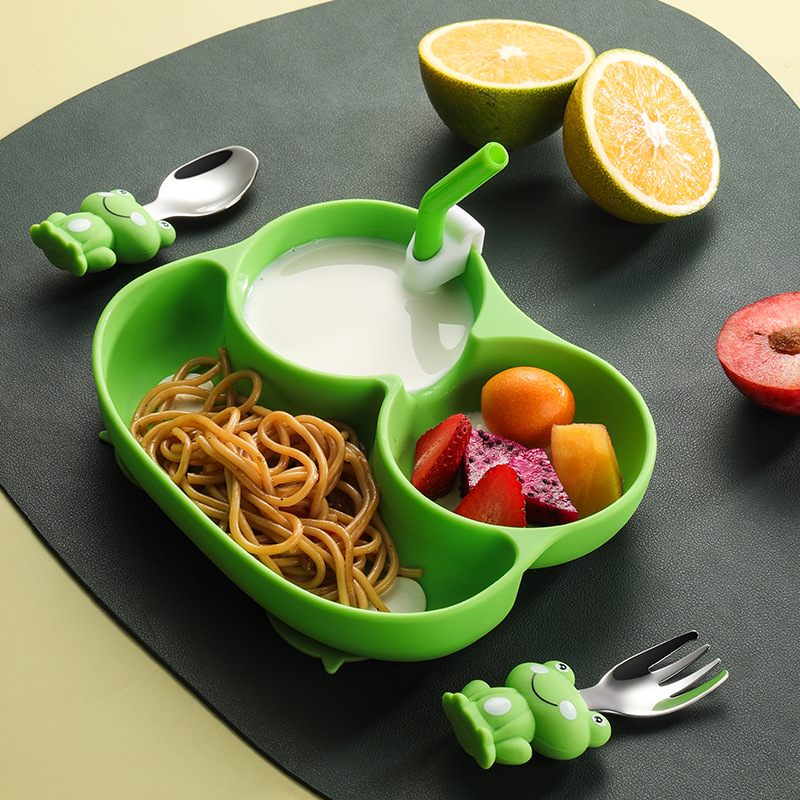
The journey from a child's first taste of pureed carrots to confidently cutting their own pancakes represents one of childhood's most important developmental arcs. Increasingly, parents are discovering that the tools they choose for this journey matter profoundly, leading them to invest in comprehensive stainless steel utensil sets designed to grow with their children from infancy through elementary school. This movement toward "long-term utensil solutions" represents a significant departure from the disposable culture that has long dominated the children's product industry, with premium stainless steel sets emerging as the centerpiece of this transformation.
The modern stainless steel children's utensil set has evolved into a sophisticated system rather than a simple collection of tools. Leading manufacturers now produce stage-specific designs that address the unique challenges and opportunities of each phase of a child's development, creating a seamless progression from dependent feeding to confident independence.
Stage One: Beginner Sets (6-18 Months)
The initial stage focuses on safety, exploration, and the development of fundamental motor skills. Beginner utensils feature shorter handles (approximately 10-12 centimeters) with wide, flat bases that prevent them from falling through high chair trays. The spoon bowls are shallow with rounded edges to protect sensitive gums, while the fork tines are short, rounded, and widely spaced to spear soft foods without posing a choking hazard. The stainless steel in these early sets is often slightly thinner to reduce weight, making them easier for unsteady hands to control.
"During the beginner phase, we're not just teaching children how to eat—we're introducing them to the sensory experience of self-feeding," explains Lisa Campbell, occupational therapist specializing in pediatric feeding. "The cool, smooth texture of stainless steel provides distinct sensory input that helps build neural pathways. The appropriate weight of these utensils offers proprioceptive feedback that lightweight plastics cannot provide, essentially teaching the brain where the hand is in space." Parents report that children using appropriately weighted stainless steel utensils typically master self-feeding 2-3 weeks earlier than those using ultra-lightweight plastic alternatives.
Stage Two: Intermediate Sets (18 Months - 3 Years)
As children develop greater manual dexterity and confidence, intermediate utensils introduce more sophisticated features. Handles lengthen to approximately 13-15 centimeters with subtle contouring that guides little fingers toward the proper grip. The practice knife makes its debut at this stage—a revolutionary addition that transforms passive eating into active food preparation. These safety-engineered cutting tools feature specially designed blades that can slice through soft fruits, cheeses, and cooked vegetables but cannot cut skin.
"The inclusion of a child-safe knife might make some parents nervous, but it's one of the most powerful tools for building confidence and competence," says David Chen, founder of a Montessori-inspired parenting blog with over 500,000 followers. "When we trust children with real, safe tools, we communicate that we believe in their capabilities. The pride a child exhibits when they successfully cut their own banana or spread their own peanut butter is transformative for their self-esteem and their relationship with food." Intermediate sets often introduce more sophisticated food separation techniques as well, with spoon and fork designs that help children manage mixed-texture meals.
Stage Three: Advanced Sets (3-6 Years)
Advanced utensil sets bridge the gap between early childhood tools and standard adult cutlery. The proportions approach adult sizes while maintaining the ergonomic considerations necessary for developing hands. Handles feature more pronounced contours that encourage the mature tripod grasp, and the utensils have a forward-weighted balance that mimics high-quality adult cutlery. The practice knife evolves into a more efficient tool with a slightly sharper (though still completely safe) serrated edge capable of handling tougher foods.
"By age four, children are capable of remarkable dexterity if given the proper tools," observes manufacturing expert Sarah Goldberg. "Our advanced sets are essentially professional-grade cutlery scaled for smaller hands. The weight, balance, and cutting efficiency are all engineered to maximize success and enjoyment. Children who use these advanced sets transition seamlessly to adult utensils without the awkwardness many experience when moving directly from plastic toddler utensils to standard cutlery."
The Parent Perspective: Why Families Are Making the Switch
The decision to invest in stainless steel utensil systems reflects broader trends in parenting philosophy. "I initially bought a stainless steel set for environmental reasons," explains Megan Taylor, mother of two from Boulder, Colorado. "But what surprised me was the developmental difference I observed. My daughter progressed so much faster than my son did with his plastic utensils. The weight seemed to help her coordinate the movement from plate to mouth with much less frustration. Now, three years later, the same set is still in perfect condition and ready for her little brother."
Industry data supports these anecdotal observations. A 2024 survey of 2,000 parents conducted by the Child Goods Manufacturers Association found that 68% of parents who purchased stainless steel utensil sets cited "long-term value" as their primary motivation, while 57% specifically mentioned "material safety concerns" about plastic alternatives. Perhaps most tellingly, 89% of these parents reported they would recommend stainless steel utensils to other parents, representing one of the highest satisfaction rates in the children's product category.
Design Evolution and Market Response
The aesthetic evolution of stainless steel children's utensils has played a crucial role in their market acceptance. Early versions often had a clinical, institutional appearance that appealed to parents but not to children. Today's designs strike a sophisticated balance, offering minimalist options for design-conscious parents alongside colorful, character-themed sets that delight children. The silicone components have evolved from simple grips to comprehensive sleeves available in hundreds of colors and patterns, with some manufacturers offering customization options including monogramming and color combinations.
As the market for children's stainless steel utensils continues to expand at an annual rate of 14%, manufacturers are investing in further innovation. We're now seeing the emergence of specialized sets for travel, utensils with integrated temperature sensors, and designs developed in collaboration with pediatric occupational therapists. This ongoing innovation reflects a growing recognition that the tools we give our children for their earliest independent activities can have lasting impacts on their development, confidence, and relationship with food.
For families seeking to navigate the complex journey of childhood feeding, comprehensive stainless steel utensil sets offer a rare combination of practical functionality, developmental support, and long-term value—proving that sometimes the simplest tools can make the most significant difference.
Experience the Luxury of Weight: The Art of Heavy Stainless Steel Cutlery
How Advanced Stainless Steel Utensil Sets Are Transforming Early Eating Experiences



