
The Cutlery Set Intellectual Property Revolution
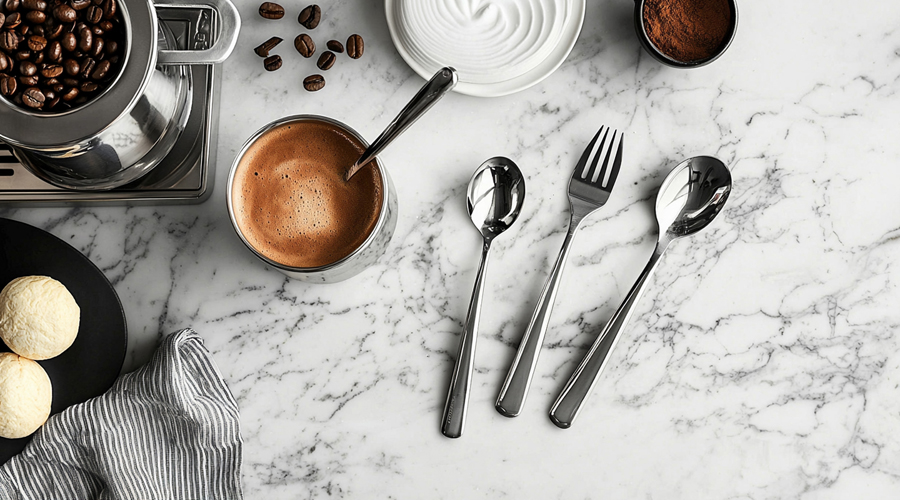
In an increasingly competitive tableware market where product differentiation has become increasingly challenging, manufacturers are discovering a powerful strategy for capturing consumer attention and driving sales: strategic partnerships with iconic intellectual property franchises. The global licensed goods market, valued at $340 billion in 2024, is experiencing particularly strong growth in the tableware segment, where beloved characters from Miffy, Crayon Shin-chan, Disney, and other popular franchises are transforming ordinary eating utensils into emotionally resonant lifestyle products.
The phenomenon represents far more than simple branding—it's a sophisticated marketing strategy that taps into deep psychological connections consumers form with cherished characters from childhood and popular culture. "Licensed character tableware operates on multiple psychological levels simultaneously," explains Dr. Elena Martinez, consumer psychologist at Global Market Insights. "For children, these characters provide comfort and familiarity during mealtimes, reducing resistance to trying new foods and creating positive associations with eating. For adults, particularly millennials and Gen Z, these characters evoke nostalgia—a powerful emotional trigger that can override practical considerations in purchasing decisions. When consumers see a beloved character like Miffy on a MEPAL tableware product, they're not just seeing a rabbit—they're connecting with decades of positive emotional associations."
Case Study: MEPAL and Miffy - A European Design Sensibility
The collaboration between Dutch tableware brand MEPAL and Dick Bruna's iconic Miffy character represents a masterclass in brand-character alignment. MEPAL, known for its practical, colorful, and durable European design aesthetic, has integrated the minimalist Miffy illustrations seamlessly onto their plastic handles and container surfaces. The choice of Miffy—a character whose clean lines, primary colors, and understated expression align perfectly with MEPAL's design philosophy—demonstrates the importance of character-brand compatibility.
"The Miffy collaboration works because both brands share fundamental values: simplicity, quality, and cheerful functionality," notes Sarah Jensen, brand manager for MEPAL's licensed products division. "We don't simply stamp the character onto existing products; we integrate Miffy into our design language. The character appears in subtle, sophisticated ways that appeal to both children and their design-conscious parents. This dual-generation appeal is crucial in the children's tableware market, where purchase decisions are made by parents but usage and preference are determined by children."
Manufacturing these products requires specialized expertise in high-quality printing techniques that can withstand repeated dishwasher cycles while maintaining color vibrancy and image clarity. Advanced pad printing and UV-curing technologies ensure that the Miffy illustrations remain bright and intact through years of daily use—a technical requirement that many manufacturers struggle to achieve but that companies specializing in licensed products have perfected.
Case Study: Japanese Market Excellence - Crayon Shin-chan and Disney
The Japanese tableware market demonstrates even more sophisticated implementation of character licensing, particularly with properties like Crayon Shin-chan and Disney's extensive character portfolio. Japanese consumers exhibit particularly strong affinity for character goods, with the market for licensed tableware growing at 12% annually—nearly double the global average.
Crayon Shin-chan, the mischievous preschooler from Japanese manga and anime, represents a fascinating case study in cultural specificity. While relatively unknown in Western markets, Shin-chan enjoys near-universal recognition in Japan and other Asian markets. His cheeky personality and humorous antics resonate deeply with both children and adults, creating tableware that functions as conversational piece as well as practical tool. "Shin-chan tableware sells particularly well in lunchboxes and bento accessories," observes Kenji Tanaka, purchasing manager for a major Japanese department store chain. "Office workers and schoolchildren alike enjoy the humorous touch he brings to mealtimes. The character's imperfect, sometimes naughty personality makes him more relatable than always-perfect characters, especially in stressful modern lives."
Meanwhile, Disney's timeless characters continue to demonstrate remarkable cross-generational and cross-cultural appeal. From classic Mickey Mouse to modern princesses and Marvel superheroes, Disney's vast portfolio allows tableware manufacturers to target specific demographic segments with precision. "The strategic advantage of Disney partnerships lies in their brand management consistency," notes Maria Chen, licensing director for an Asian manufacturing group. "Disney provides comprehensive style guides, quality control standards, and marketing support that ensures their characters are represented appropriately across all products. This protects both the Disney brand and our manufacturing reputation."
The Manufacturing Advantage: Technical Excellence in Character Application
The successful implementation of character tableware requires specialized manufacturing capabilities that many generic tableware producers lack. The printing process for characters on plastic handles demands exacting standards—inks must be non-toxic, chemically stable, and resistant to abrasion, heat, and detergent exposure. Superior adhesion techniques ensure that characters remain vibrant through years of use without peeling, fading, or cracking.
"Our technical team has developed proprietary printing processes specifically for licensed character applications," explains James Robertson, production director at a leading tableware manufacturer. "We utilize five-stage surface preparation, ceramic-based inks, and UV-curing technologies that create a bond at the molecular level. The result is character illustrations that essentially become part of the product itself rather than merely sitting on the surface. This technical excellence is what enables us to offer lifetime guarantees on our character printing—a significant competitive advantage in the marketplace."
Market Impact and Consumer Response
The commercial success of character-licensed tableware is demonstrated by dramatic sales increases across multiple markets. Product lines featuring popular characters typically achieve 30-50% higher sales volumes than equivalent non-character products, with particularly strong performance in the premium gift segment. The emotional connection consumers feel toward these characters also translates to higher brand loyalty and increased willingness to pay premium prices.
Retailers report that character tableware drives foot traffic and generates impulse purchases, particularly when linked to media events like movie releases or character anniversaries. "The launch of our Miffy collection generated store traffic increases of 18% compared to standard product launches," reports Thomas Wright, merchandising director for a European home goods retailer. "More importantly, these customers often purchased additional non-character items, demonstrating the halo effect that popular licensed products can have on entire brand portfolios."
As the tableware market continues to evolve, strategic character licensing represents one of the most promising avenues for growth, product differentiation, and emotional consumer engagement. By combining manufacturing excellence with thoughtful character integration, forward-thinking companies are transforming mundane mealtime necessities into cherished possessions that capture imagination across generations.
How Licensed Character Tableware Transforms Daily Rituals
WOODEN CHEESE BOARD SET



