
The Difference Between Overglaze and Underglaze Ceramic Tableware
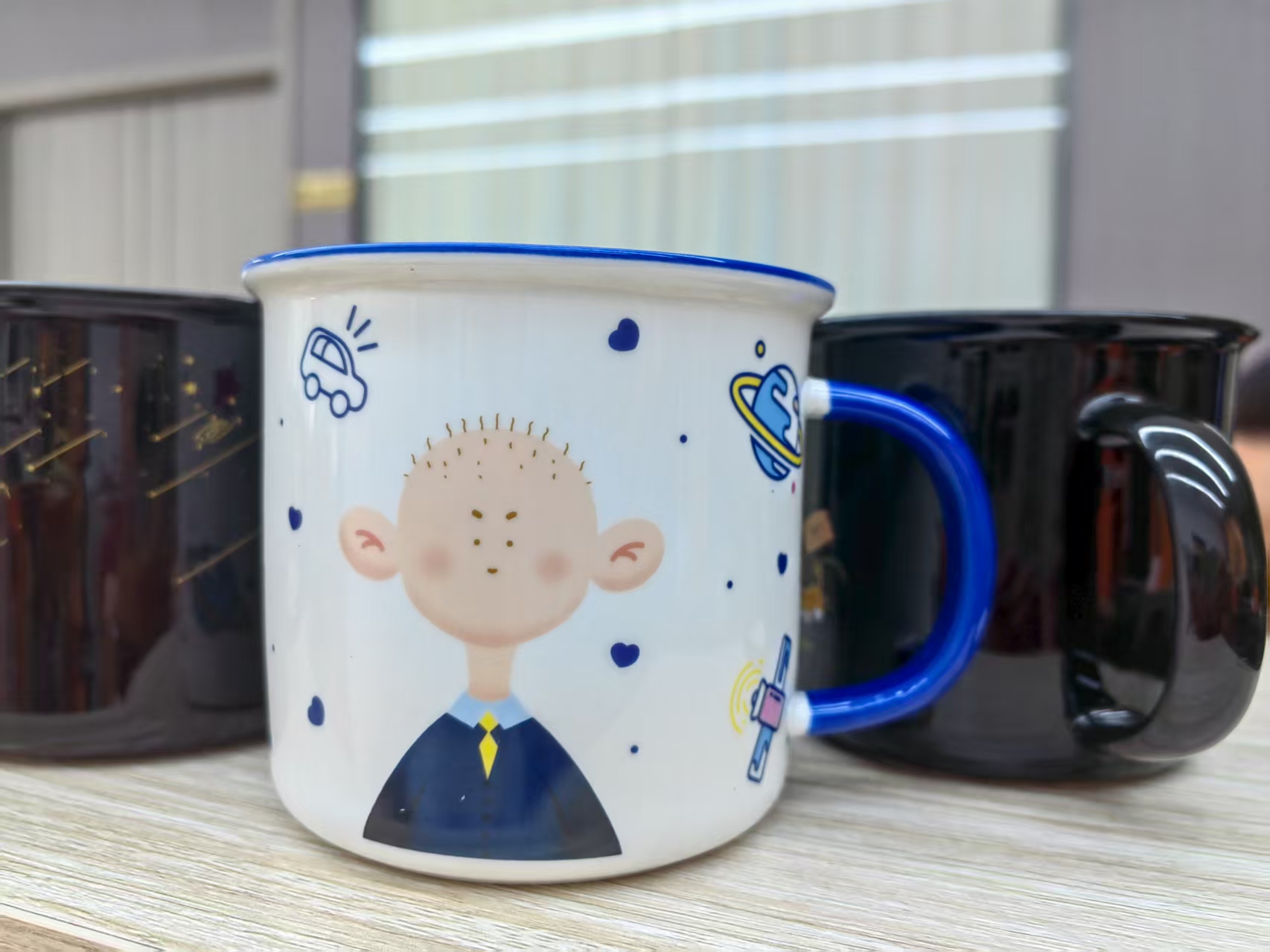
Comparison of Production Techniques
-
Manufacturing Process
-
Underglaze: Patterns are painted on unglazed or bisque-fired ceramic bodies, then covered with a transparent glaze and fired at 1200-1400°C in a single high-temperature firing, fully fusing the pigments into the glaze.
-
Overglaze: Designs are painted onto an already glazed surface and fixed through a second firing at 600-900°C, leaving the pigments on the glaze's outer layer.
-
-
Firing Cycles & Temperature
-
Underglaze: Single high-temperature firing
-
Overglaze: Double firing (low-temperature second firing)
-
Physical Characteristics
-
Surface Texture
-
Underglaze: Smooth to the touch, with no raised patterns (fully embedded in the glaze).
-
Overglaze: Slightly raised designs, creating a tactile, textured surface.
-
-
Color Performance
-
Underglaze: Limited by high-temperature stability, pigments (e.g., cobalt/iron oxides) produce traditional hues like blue-and-white (qinghua) or copper-red (youlihong), with stable but narrower color ranges.
-
Overglaze: Low-temperature firing allows vibrant colors (e.g., sapphire blue, emerald green) and layered gradient effects.
-
-
Durability
-
Underglaze: Resistant to acid/alkali corrosion and thermal shock, lasting decades.
-
Overglaze: Prone to wear, fading, and accelerated corrosion when exposed to acidic foods.
-
Health & Safety Considerations
-
Heavy Metal Leaching Risks
-
Underglaze: Pigments are sealed under the glaze, posing no lead/cadmium leaching risks under normal use.
-
Overglaze: Low-temperature pigments may contain heavy metals; prolonged contact with acidic or hot foods increases leaching potential.
-
-
Purchasing Recommendations
-
Prioritize underglaze or lightly colored overglaze tableware.
-
Avoid frequently using overglaze dishes for hot soups, vinegar, or acidic foods.
-
Stylish & Sustainable: Meet Our Reusable Cutlery & Straw Set
Ceramic Mugs



