
The Importance of Having Well-Sharpened Knives
author: Alisa
2024-12-14
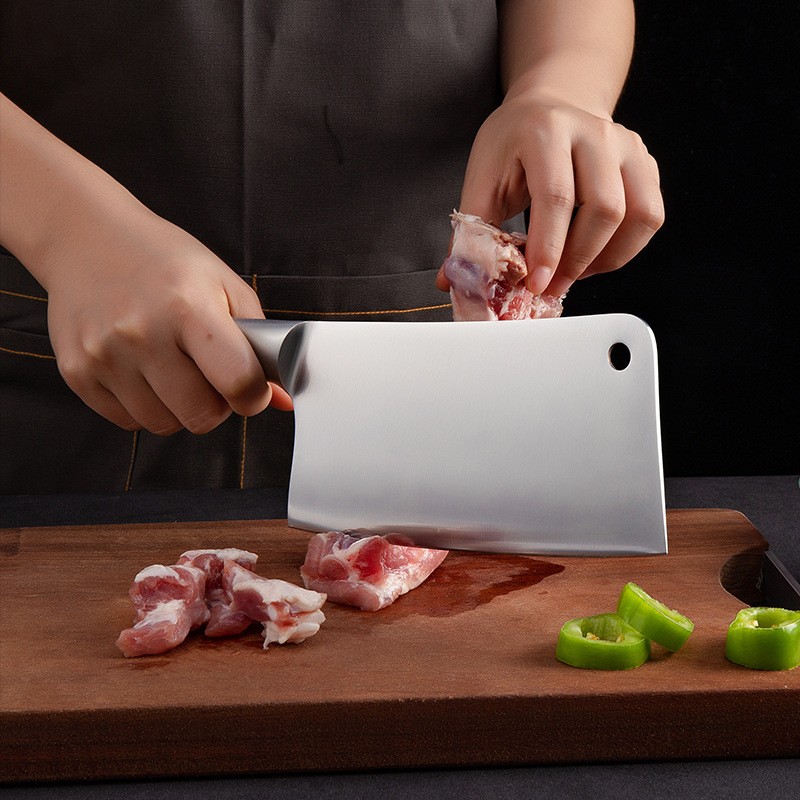
The Importance of Having Well-Sharpened Knives
Having well-sharpened knives is essential for several reasons:1. Efficient chopping and cutting: A sharp knife makes chopping and cutting easy and efficient, saving time and energy in the kitchen. A dull knife, on the other hand, requires more force and effort to cut, leading to slow and less precise cuts.
2. Improved safety: A sharp knife is safer to use than a dull one because it is less likely to slip and cause injury. A dull blade can slip easily, increasing the chances of accidents and injuries in the kitchen.
3. Consistency: A sharp knife provides even and consistent cuts, achieving desired results such as uniformly diced vegetables or even thickness in meat slices.
4. Better Taste: A sharp knife helps to maintain the integrity of food while cutting. When using a dull knife, it crushes the ingredients instead of slicing them, leading to a loss of juices and essential oils when cooking poultry, fish, meat, or vegetables. This, in turn, can affect the taste of the final dish.
5. Longevity of Knives: A regular sharpening routine can help extend the lifespan of a knife. Dull knives can lead to chips and cracks, resulting in having to replace the knife sooner than expected.
In summary, having well-sharpened knives is essential for safety, efficiency, and quality in the kitchen. Regular sharpening is a crucial aspect of maintaining the sharpness of the knife throughout its lifespan.
How to Set Christmas Table: Setting Guide
How to Choose the Best Salt and Pepper Mills Set
Related Article

Learn how stainless steel cutlery manufacturers can organize trade show leads, qualify B2B buyers, share product specifications, and turn flatware inquiries into bulk orders.
How to Follow Up With Trade Show Buyers for Stainless Steel Cutlery

Explore how cutlery importers and manufacturers can manage exchange-rate changes, quotation validity, and cost reviews when planning stainless steel flatware export orders.
How to Manage Currency Risk and Quotation Validity for Stainless Steel Cutlery Exports

