
Understanding the Differences Laser Etched Debossed and Embossed Logos Which One Fits Your Brand
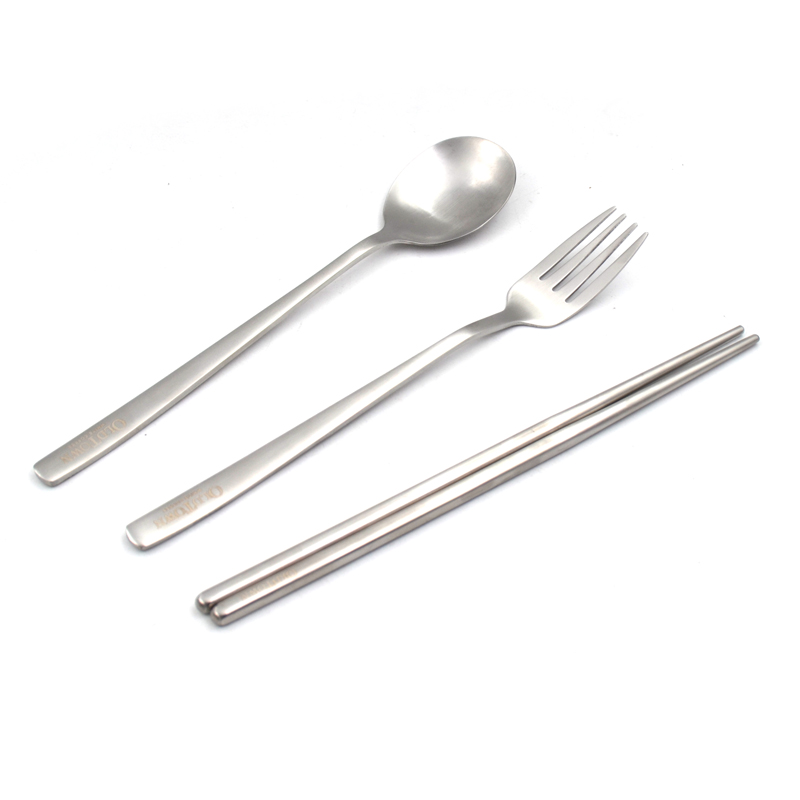
In today's competitive market, a brand’s logo is more than just a symbol; it’s a statement of identity and quality. How a logo is presented on a product can significantly influence customer perception and brand value. Four popular techniques for logo application—laser engraving, etching, debossing, and embossing—each offer distinct aesthetic and tactile effects. Here’s a closer look at these methods and their unique advantages.
Laser Logo: Precision and Modern Appeal
Laser engraving uses a high-intensity laser beam to vaporize the surface layer of a material, leaving a precisely marked logo. This method is known for its exceptional accuracy, clean lines, and durability. It is especially suitable for metal, glass, wood, and certain plastics. The laser logo technique does not involve inks or chemicals, making it an environmentally friendly choice. The final result is a sleek, permanent mark that conveys a sense of modern sophistication and premium quality.
Etched Logo: Subtle and Elegant
Etching typically involves using chemical processes (or sometimes mechanical means) to create a shallow, detailed design on the surface of a material. Etched logos often appear slightly frosted or matte and are subtle yet elegant. This method works well on metal and glass surfaces and is favored for applications where a refined, understated branding effect is desired. Unlike laser engraving, etching can produce more delicate tonal variations, adding to its sophisticated look.
Debossed Logo: Depth and Discreet Luxury
A debossed logo is created by pressing a design into the surface of a material so that the logo sits below the surrounding area. This technique adds a tactile element to the product, offering depth and a discreet sense of luxury. Debossing is often used on leather goods, packaging, and stationery, providing a timeless and sophisticated impression. Because the logo is recessed, it is protected from wear and retains its elegance even after extended use.
Embossed Logo: Raised and Striking
Embossing is the opposite of debossing—here, the design is raised above the surface, creating a three-dimensional effect. Embossed logos catch the light and stand out visually, delivering a bold and memorable brand statement. This method is widely used on paper packaging, invitations, book covers, and some leather items. The tactile and visual impact of an embossed logo makes it ideal for brands seeking to convey boldness, craftsmanship, and high-end appeal.
Choosing the Right Technique for Your Brand
Selecting the best logo application method depends on your product’s material, brand image, and target audience.
-
For a high-tech or minimalist feel: Laser logos are ideal.
-
For refined and subtle branding: Etched logos offer quiet elegance.
-
For luxury and tactile detail: Debossed logos deliver discreet sophistication.
-
For bold, standout impressions: Embossed logos make your mark unforgettable.
Incorporating the right logo technique not only elevates a product’s aesthetic value but also strengthens emotional connections with customers. As brands continue to seek innovative ways to stand out, the art of logo finishing remains a crucial tool for differentiation and storytelling.
Color-changing cold drink ALUMINUM MUG
Silk Screen Printing vs. Heat Transfer Printing Understanding the Key Differences



