
What Information Should Be Included in a Cutlery Specification Sheet
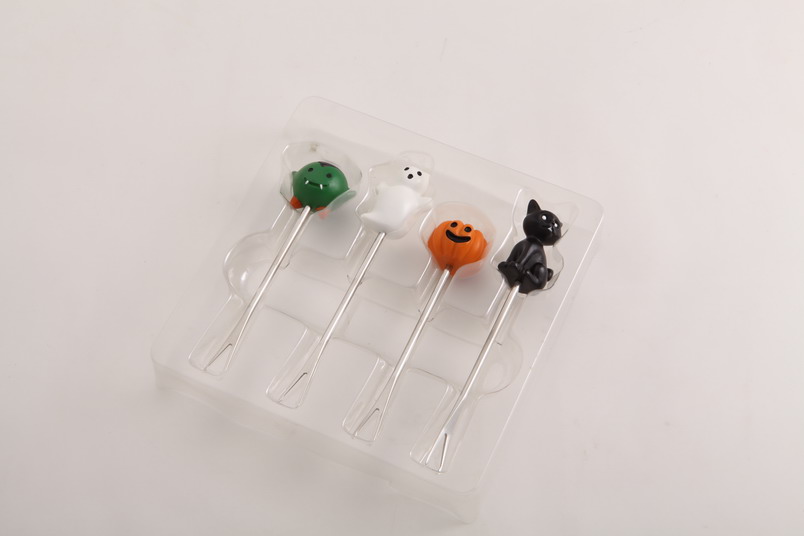
A good specification sheet can prevent many of the most common problems in OEM cutlery production.
It gives the buyer, sales team, production department and quality-control team one common reference.
So what should it include?
1. Product Identification
Start with the basics:
-
Item number
-
Product name
-
Set configuration
-
Approved drawing or photograph
Every product should be easy to identify.
2. Material
Specify the material for each component.
For a simple fork, this may only be one stainless steel grade.
3. Dimensions and Weight
Record important measurements such as:
-
Overall length
-
Width
-
Thickness
-
Target weight
Relevant tolerances should also be agreed where necessary.
4. Surface Finish
Don't write only “silver.”
Specify the actual finish, such as mirror polish or satin.
If different parts of the product use different finishes, identify them clearly.
5. Logo and Decoration
Record:
-
Logo method
-
Position
-
Size
-
Artwork
-
Color where applicable
For printed handles, the approved artwork should be linked to the specification.
6. Packaging
Packaging specifications can include:
-
Individual protection
-
Inner packaging
-
Retail box
-
Labels
-
Barcode
-
Pieces per carton
-
Carton requirements
7. Quality Requirements
Add the important acceptance points for the project.
These may cover appearance, edge finishing, assembly, scratches, printing or other product-specific requirements.
Expert Tip
Do not make the specification unnecessarily complicated.
It should contain enough information for another person to understand the product without relying on previous emails.
Buyer Takeaway
A clear specification sheet protects both buyer and manufacturer.
It reduces misunderstandings during quotation, sampling, production, inspection and repeat orders.
For private label programs, it becomes one of the most important documents in the project.





