What Order Should Cutlery Go in the Drawer
What Order Should Cutlery Go in the Drawer
Organizing cutlery in a drawer may appear mundane, but for those who value order, efficiency, and aesthetics in the kitchen, the question of sequence becomes highly relevant.
From professional chefs to meticulous homeowners, a well-arranged drawer saves time, prevents damage,
and reflects thoughtful kitchen design. With decades of manufacturing expertise,
Homefelt has supplied homes and commercial kitchens with cutlery solutions that not only perform well at the table but also store well behind the scenes.
Understanding Cutlery Categories
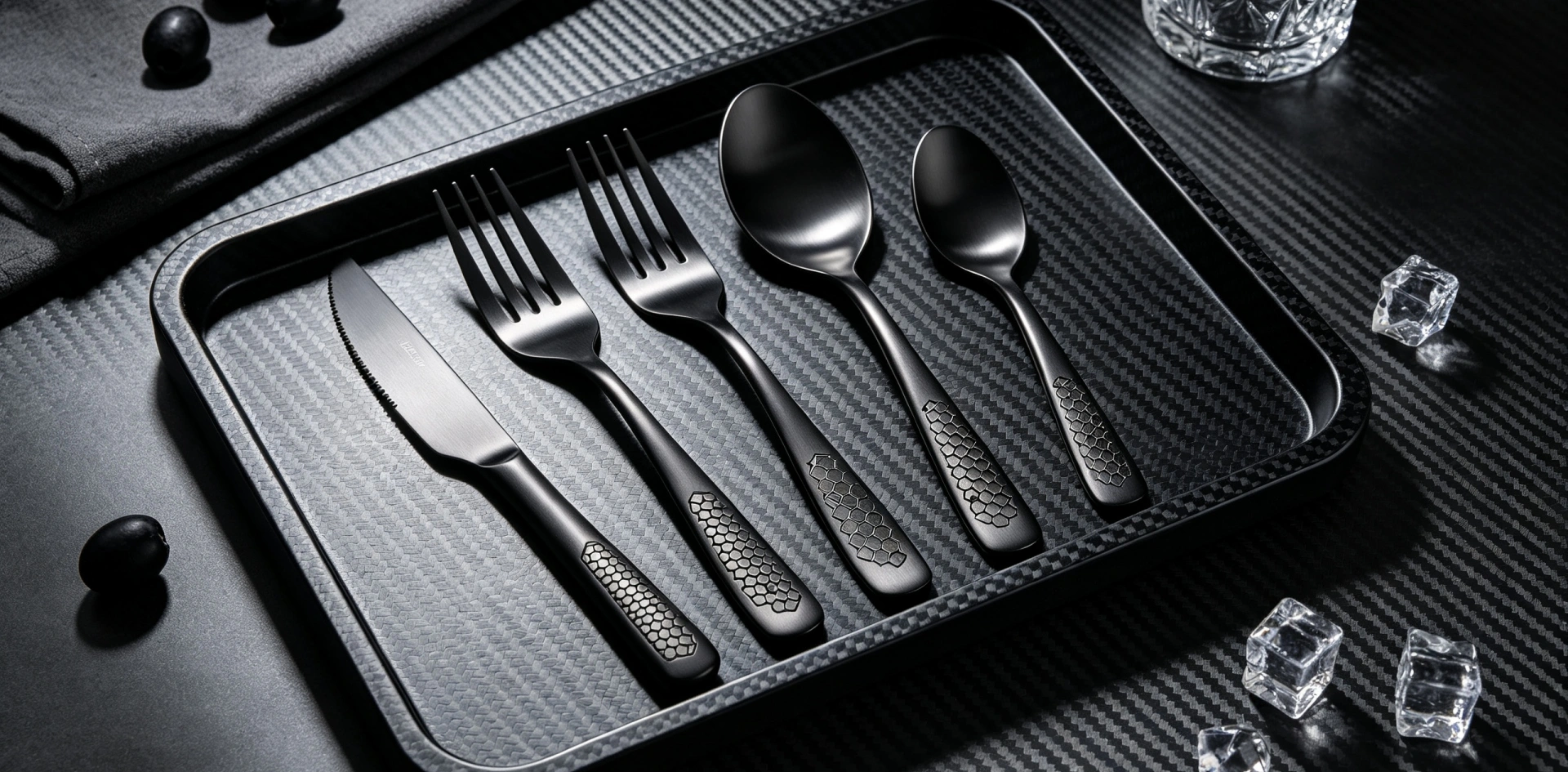
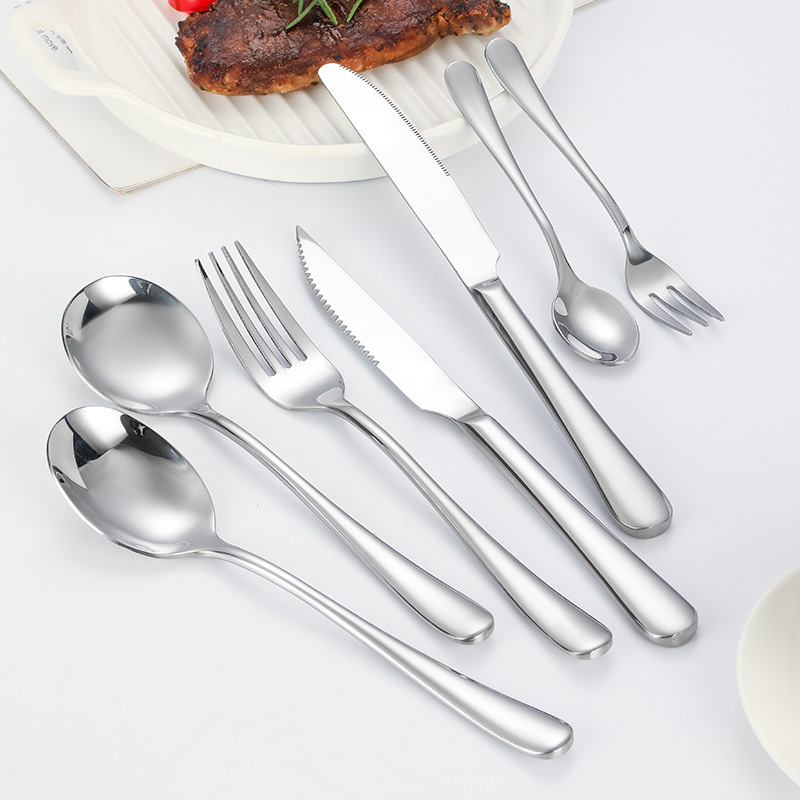
To organize effectively, one must first categorize. Standard cutlery typically includes forks, knives, spoons, teaspoons, and specialty tools like dessert forks or soup spoons.
More modern homes also store items like personalised plastic baby cutlery, especially in families with young children.
Whether stainless steel or plant starch cutlery, defining your categories is the first step toward optimal storage.
Drawer Layout Best Practices
The most efficient order places the most commonly used items in the front. Teaspoons and everyday forks should be easily accessible.
Knives, for safety reasons, should be placed point-down in a separate section.
Specialty or rarely used items like tablekraft cutlery, known for its stylish yet specialized designs, can go toward the back or in a divided tray.
Homefelt manufactures cutlery with these real-world needs in mind, designing items that not only serve meals but store safely.
Why Order Matters
Having a consistent system saves time and effort. If everyone in the home or business knows where each item belongs, unloading the dishwasher becomes a quick and seamless process.
It also prevents wear and tear—rough storage can dull blades or scratch surfaces, especially with delicate finishes.
This is particularly important when dealing with sustainable options like plant starch cutlery, which may be more susceptible to environmental factors.
Custom Organizers and Compartment Trays
Investing in drawer organizers can dramatically improve storage.
Adjustable trays or modular systems allow you to fit utensils perfectly, whether you're storing heavy stainless steel from Homefelt or lighter personalised plastic baby cutlery.
These organizers also allow for air circulation and easy cleaning, ensuring hygiene and extending the life of your utensils.
Storage for Specialty Cutlery
Specialty sets like tablekraft cutlery often come with unique shapes or sizes that don’t fit traditional organizers.
In such cases, it’s best to use custom-fit compartments or dividers. Homefelt understands that not all cutlery is created equal,
which is why their designs accommodate both traditional and innovative utensil forms.
Cutlery for Families and Children
In homes with children, it’s useful to allocate a specific drawer or drawer section for items like personalised plastic baby cutlery.
These are usually smaller, safer, and often colorful, and separating them prevents them from being lost among adult utensils.
Homefelt offers a range of safe, BPA-free children's utensils designed for both function and fun, making drawer organization even easier.
Conclusion
The way you store your cutlery directly affects how you use it. Drawer organization isn’t just about appearance—it’s about functionality, hygiene, and long-term care.
Whether you're dealing with stainless steel, plant starch cutlery, or premium brands like tablekraft cutlery, the right drawer layout helps you get the most out of your utensils.
With over 30 years of experience, Homefelt continues to lead in the production of versatile, high-quality cutlery that is easy to store, safe to handle, and a pleasure to use every day.
What Were Cutlery Made of in the Past Under Silver
What Metal Is Used for Cutlery
Related Article