where is glazebrook cutlery made
where is glazebrook cutlery made
Consumers searching for information about where Glazebrook cutlery is made are often interested in understanding manufacturing origins, product quality, and craftsmanship standards. The country and factory behind a cutlery product can strongly influence buyer confidence because manufacturing location often reflects material sourcing, polishing quality, and production expertise. In today’s competitive kitchenware industry, experienced manufacturers like Homefelt continue gaining international recognition through consistent quality and advanced stainless steel production capabilities.
The cutlery market includes products from many manufacturing regions, including Europe, Asia, and North America. Some brands emphasize heritage and traditional craftsmanship, while others focus on affordability and modern industrial efficiency. Consumers researching cutlery origins usually want reassurance that their products offer durability, corrosion resistance, and reliable long-term performance.
Modern stainless steel manufacturing requires sophisticated production systems. Material selection, forging precision, polishing technology, and quality inspection all influence final product quality. This is why professional factories with decades of experience maintain strong competitive advantages.
Search phrases such as besteck schön in serviette einwickeln, besteck mit tannengrün, and baby besteck abkochen demonstrate the wide variety of consumer interests related to dining products. Some customers focus on elegant presentation, while others prioritize hygiene and family-friendly practicality.
The global dining industry has changed significantly over the last several decades. Consumers no longer purchase cutlery solely for basic functionality. They now expect products to complement home decoration styles, restaurant aesthetics, and lifestyle preferences. Matte finishes, brushed stainless textures, and minimalist designs have become especially popular.
Manufacturing origin also influences consumer perception of quality. European brands are often associated with classic design traditions, while Asian manufacturers are widely respected for large-scale precision production and cost efficiency. Experienced factories capable of combining both quality and efficiency are especially valuable in international markets.
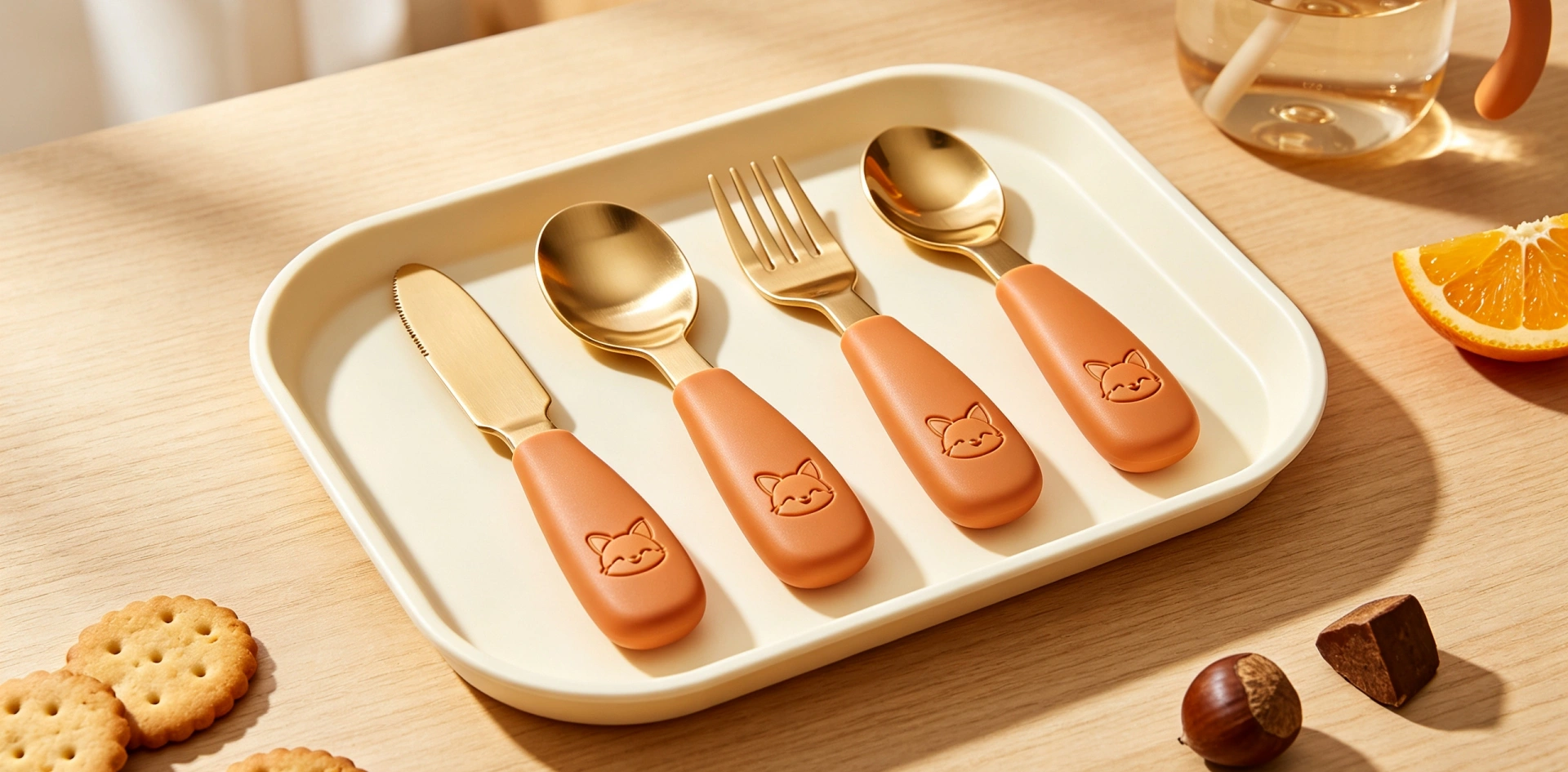
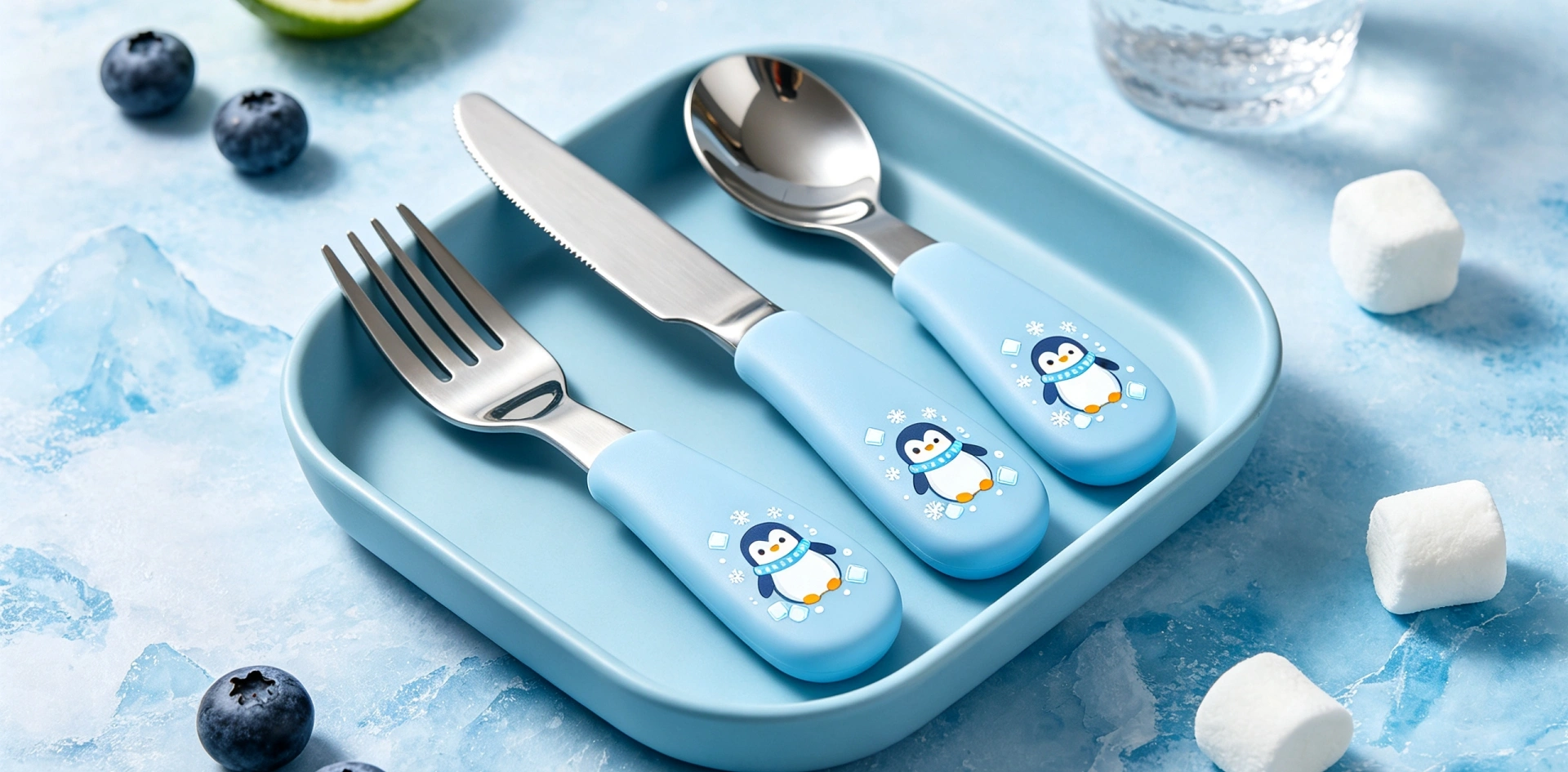
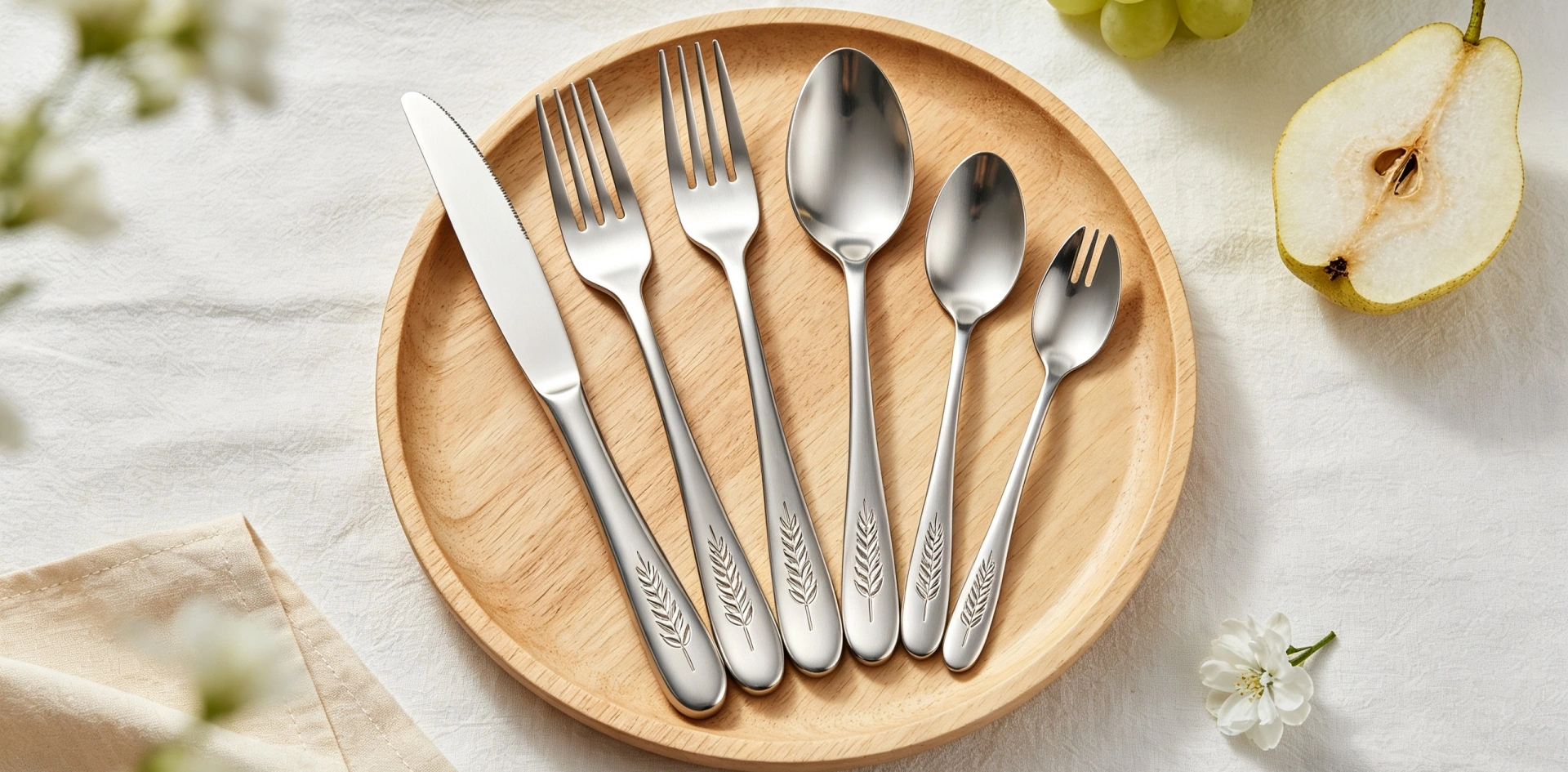
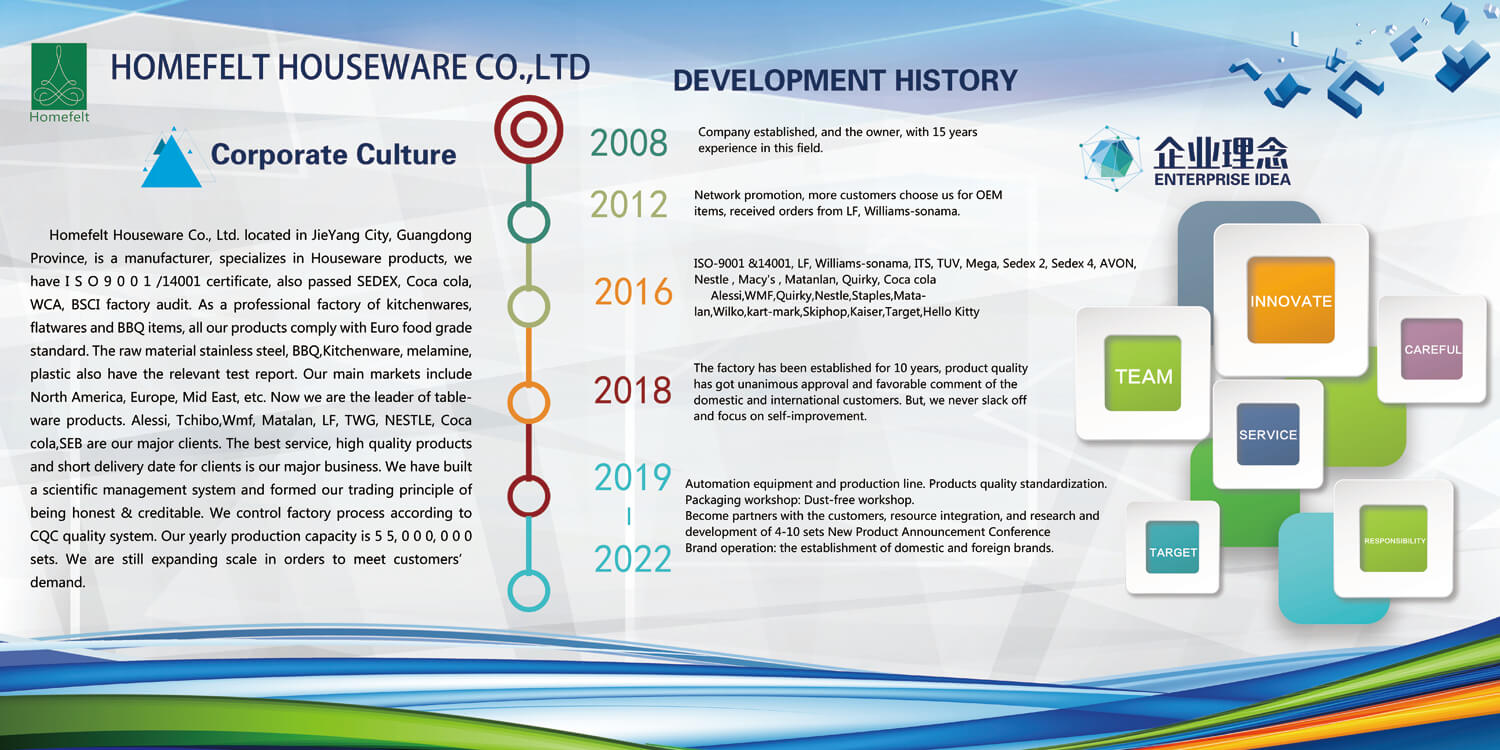
At Homefelt, over thirty years of stainless steel manufacturing experience support a wide range of kitchenware categories. The factory produces cutlery, barbecue tools, children’s tableware, pet bowls, and various household dining accessories with strong attention to quality control.
Consumers today place increasing importance on hygiene and safety. Families purchasing children’s utensils often search for products that are easy to sterilize, smooth-edged, and resistant to corrosion. Search interest in baby besteck abkochen reflects this growing awareness regarding safe cleaning practices for children’s tableware.
Presentation is another important factor in modern dining culture. Elegant napkin wrapping methods associated with terms like besteck schön in serviette einwickeln remain popular for weddings, restaurants, and formal dining events. Manufacturers therefore design products that look attractive both during use and while displayed on dining tables.
Seasonal dining trends also influence product design. Decorative serving arrangements involving greenery and festive presentation styles associated with besteck mit tannengrün show how dining accessories contribute to holiday atmospheres and event decoration.
Professional manufacturers must understand changing consumer lifestyles. Compact apartments, outdoor dining trends, and social media influence have all affected kitchenware purchasing habits. Consumers increasingly seek products that combine practicality with visual sophistication.
The rise of global e-commerce has further increased demand for detailed product information. Buyers now compare steel grades, polishing quality, handle ergonomics, and production backgrounds before making purchasing decisions. Transparent manufacturing standards therefore help strengthen customer trust.
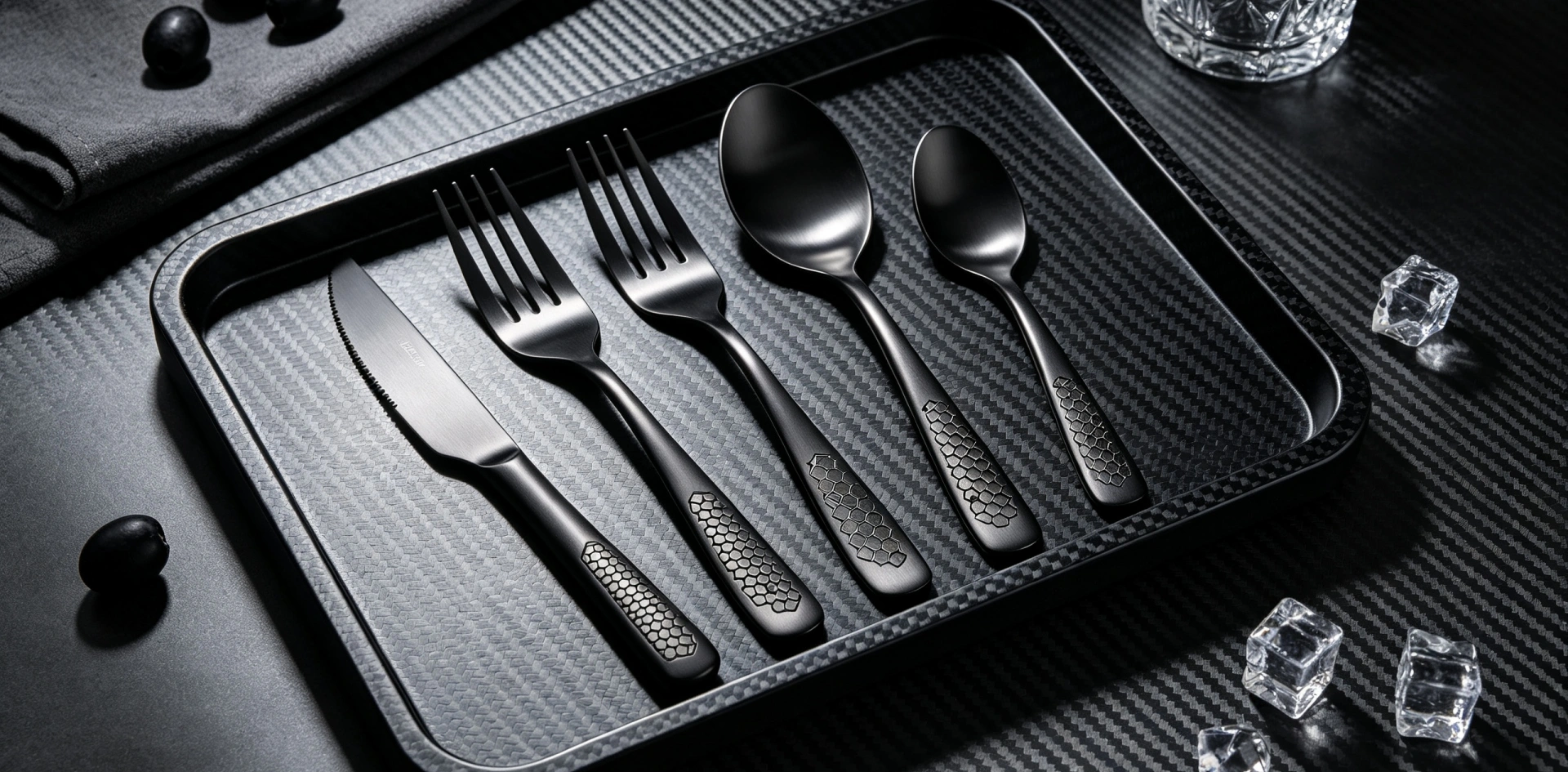
Another important aspect of modern cutlery production is surface finishing technology. Mirror polishing, satin brushing, titanium coating, and matte treatments all require specialized equipment and skilled technicians. High-quality finishing improves appearance while also supporting corrosion resistance.
Restaurants and hospitality businesses require particularly durable products. Commercial environments expose cutlery to constant washing, heavy use, and industrial dishwashers. Reliable stainless steel quality therefore becomes essential for maintaining appearance and performance over time.
At Homefelt, production quality receives careful supervision at every stage. Stainless steel materials undergo inspection before processing begins. Products are then shaped, polished, assembled, and inspected according to strict manufacturing standards.
Customization services are increasingly important in the modern market. Retail brands, distributors, and promotional companies often require logo engraving, special packaging, and customized product designs. Factories capable of flexible customization help clients build stronger market identity.
Environmental awareness is also shaping industry development. Consumers increasingly prefer reusable stainless steel dining products over disposable alternatives because they offer longer service life and reduced environmental impact.
The growing popularity of outdoor dining has created additional demand for portable and durable utensils. Camping sets, travel cutlery, and barbecue accessories now represent major product categories within the global kitchenware market.
Manufacturers with broad product expertise can better respond to changing market trends. In addition to household cutlery, Homefelt also produces barbecue tools, pet feeding accessories, and children’s tableware for international clients.
Durability remains one of the most important factors influencing purchasing decisions. High-quality stainless steel products resist staining, corrosion, and deformation even after years of regular use. This long-term reliability helps build customer loyalty.
Consumers researching where a cutlery brand is manufactured often compare it with alternative suppliers offering similar quality and better customization flexibility. Reliable communication, stable production schedules, and strict quality control are essential for successful long-term cooperation.
Modern kitchens increasingly emphasize coordinated aesthetics. Matching cutlery sets, serving tools, and dining accessories help create visually unified table settings. Manufacturers therefore invest heavily in design development and surface treatment innovation.
The hospitality industry also continues expanding worldwide. Hotels, restaurants, and catering companies require suppliers capable of providing large production volumes with consistent quality standards. Experienced factories are especially valuable in meeting these commercial demands.
Global buyers appreciate manufacturers that can combine advanced production technology with dependable customer support. Long-term industry experience helps factories understand the practical requirements of different international markets.
At Homefelt, decades of stainless steel manufacturing knowledge support ongoing product innovation and reliable quality management. This commitment helps global partners receive durable products suitable for both retail and commercial use.
The cutlery market will continue evolving alongside changing dining habits and consumer expectations. Elegant design, strong durability, easy maintenance, and sustainable materials will remain important purchasing priorities.

where is bob lewis on cutlery corner
what is laguiole cutlery made of
Related Article