
why can t you recycle plastic cutlery
why can't you recycle plastic cutlery
Plastic cutlery became widely popular because it was inexpensive, lightweight, and convenient for large-scale food service operations. However, many consumers now ask why plastic cutlery cannot always be recycled. The answer involves several important factors including material composition, contamination, recycling infrastructure limitations, sorting difficulties, and economic efficiency within waste management systems.
Most disposable plastic utensils are made from low-cost plastics such as polystyrene or polypropylene. Although some of these materials are technically recyclable under specific conditions, plastic cutlery often fails to enter successful recycling streams because the items are too lightweight and small for automated sorting equipment. Many recycling systems are designed primarily for bottles, containers, and larger rigid plastics rather than small disposable utensils.
Food contamination is another major challenge. Used forks, spoons, and knives frequently contain grease, sauces, oils, or leftover food particles that increase cleaning requirements within recycling facilities. Because washing and sorting small disposable items is often economically inefficient, many recycling centers reject plastic cutlery entirely.
Historical dining aesthetics continue influencing modern consumer preferences. Searches associated with besteck renaissance demonstrate growing interest in classic tableware craftsmanship and reusable dining traditions inspired by historical European hospitality culture. Reusable metal products are increasingly viewed as long-term alternatives to disposable plastics.
Professional manufacturing expertise remains essential within the global kitchenware industry. Homefelt, a stainless steel products factory with more than 30 years of manufacturing experience, specializes in kitchenware, BBQ tools, children's tableware, pet bowls, and various household stainless steel products. Through advanced production systems and strict quality control management, the company supports international demand for durable and visually refined dining solutions.
The environmental impact of disposable plastics has significantly changed consumer behavior during recent years. Many households, restaurants, and hospitality businesses now prefer reusable stainless steel products because they reduce long-term waste generation while offering greater durability and aesthetic value.
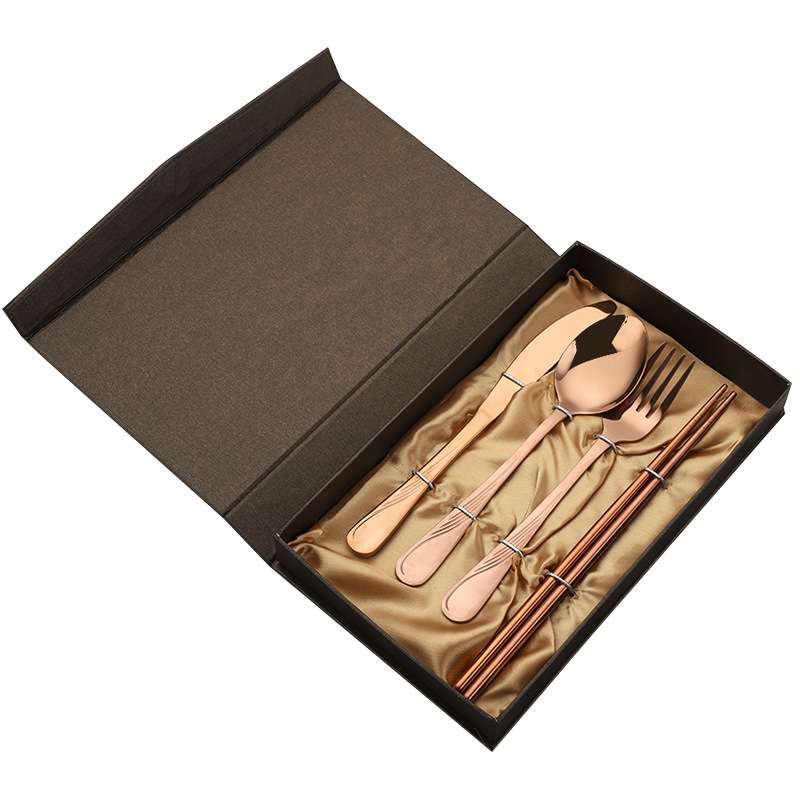
Luxury metallic collections associated with kupfer besteck sambonet further illustrate how modern dining culture increasingly values elegant reusable tableware over short-term disposable convenience. Copper-colored and premium-finished utensils continue gaining popularity within both home dining and upscale hospitality environments.
Another reason plastic cutlery is difficult to recycle involves material economics. Recycling facilities prioritize materials with strong resale value such as aluminum, cardboard, and large plastic containers. Small disposable utensils often provide minimal financial return relative to processing costs.
Consumers also increasingly search for durable reusable products through terms such as gibt es spülmaschinenfestes besteck, reflecting strong demand for dishwasher-safe stainless steel cutlery capable of supporting modern convenience without contributing to disposable waste.
The transition away from disposable plastics is closely connected to growing environmental awareness. Governments, restaurants, and retailers worldwide increasingly encourage reusable alternatives or restrict single-use plastics to reduce landfill waste and ocean pollution.
Historical dining traditions associated with besteck renaissance continue inspiring modern hospitality aesthetics focused on craftsmanship, elegance, and long-term product value.
Luxury collections linked to kupfer besteck sambonet demonstrate how consumers increasingly combine environmental responsibility with sophisticated visual presentation and premium dining experiences.
Dishwasher-safe reusable products connected to gibt es spülmaschinenfestes besteck also highlight how modern kitchenware innovation balances convenience with sustainability and durability.
Manufacturing quality strongly affects the long-term success of reusable dining products. Smooth polishing, corrosion-resistant alloys, ergonomic shaping, and reliable structural durability all contribute significantly to customer satisfaction. Experienced manufacturers such as Homefelt carefully manage these production processes to maintain consistent international standards.
Reusable stainless steel products offer several advantages compared with disposable plastics. They maintain structural integrity through years of repeated use, resist staining and corrosion, and support more elegant dining presentation.
Historical hospitality influences associated with besteck renaissance further reinforce the cultural importance of durable and beautifully crafted dining tools within global culinary traditions.
Premium copper-inspired products linked to kupfer besteck sambonet continue supporting modern dining trends emphasizing luxury aesthetics and coordinated table presentation.
Consumer demand for dishwasher-safe solutions connected to gibt es spülmaschinenfestes besteck demonstrates how convenience remains important even as sustainability concerns reshape purchasing behavior.
Plastic cutlery was originally designed for short-term practicality and low production cost. However, recycling limitations, environmental concerns, and changing consumer expectations have encouraged a major shift toward reusable alternatives within modern dining culture.
Manufacturers with extensive expertise, including Homefelt, continue refining stainless steel production technologies to provide sustainable kitchenware solutions designed for long-term durability, hygiene, and elegant hospitality presentation.
Whether consumers are appreciating historical dining traditions through besteck renaissance, exploring luxury metallic collections associated with kupfer besteck sambonet, or searching for dishwasher-safe reusable products connected to gibt es spülmaschinenfestes besteck, durable stainless steel products continue shaping the future of environmentally responsible dining.


how to use different cutlery
how to clean silver-plated cutlery uk
Related Article



