Why Does Cutlery Come Out of Dishwasher with Brown Marks
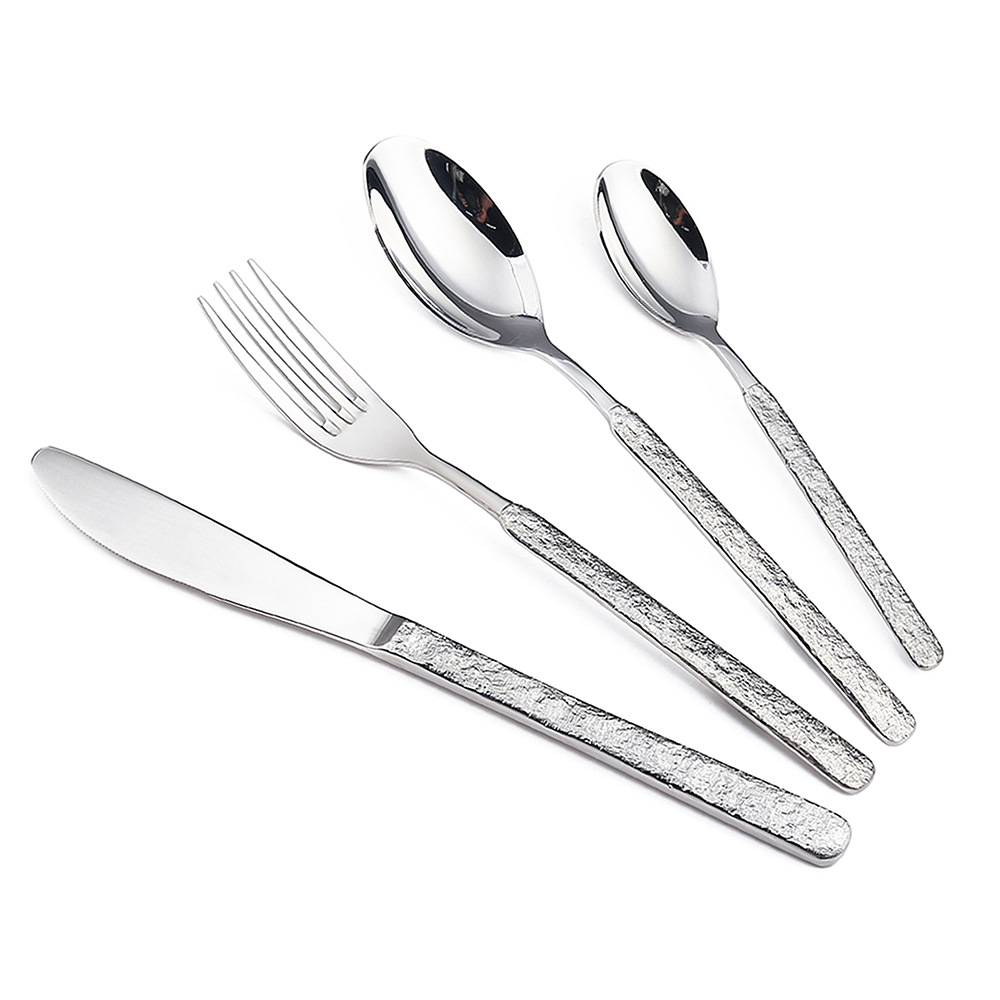
Why Does Cutlery Come Out of Dishwasher with Brown Marks
If you’ve ever noticed brown marks on your cutlery after running it through the dishwasher, you’re not alone.
Many people face this frustrating issue, which can be especially noticeable on stainless steel or silver-plated cutlery.
Understanding the causes of these marks and how to prevent them is important to maintain the longevity and appearance of your cutlery.
In this article, we’ll explore why this happens and what steps you can take to ensure that your cutlery remains spotless.
The Causes of Brown Marks on Cutlery
Brown marks on cutlery often appear as a result of several factors, including mineral deposits, detergent buildup, and improper drying.
One of the most common causes is the presence of hard water. Hard water contains high levels of minerals like calcium and magnesium,
which can leave deposits on your cutlery, creating a brownish or cloudy appearance.
This is especially noticeable on TD home cutlery or sainsbury cutlery, which can develop stains due to the mineral buildup.
Another cause of brown marks is the type of detergent used. Some detergents can cause a reaction with the metal, leading to discoloration over time.
If the dishwasher is not rinsing properly or if there’s detergent residue left on the cutlery, this can result in unsightly marks.
How to Prevent Brown Marks on Cutlery
Use a Rinse Aid One of the best ways to prevent brown marks from forming on your cutlery is by using a rinse aid in your dishwasher.
Rinse aids help to prevent mineral buildup and ensure that your cutlery comes out dry and spotless.
They work by reducing water spots and improving the drying process, which is essential for maintaining the appearance of antique cutlery boxes and other precious pieces.
Choose the Right Detergent If you notice that your cutlery is frequently coming out with brown marks, try switching to a more gentle detergent.
Some dishwashing detergents can be too harsh and cause chemical reactions with the metal, leading to discoloration.
Look for products that are specifically designed for Sainsbury cutlery or TD home cutlery to minimize damage and maintain their appearance.
Regularly Clean the Dishwasher Over time, dishwashers can accumulate mineral buildup, grease, and detergent residue.
To prevent this from transferring onto your cutlery, it’s important to clean your dishwasher regularly.
Run a cycle with a dishwasher cleaner to remove any buildup, and ensure that the spray arms are not clogged.
Dry Cutlery Immediately After the dishwasher finishes its cycle, remove your cutlery and dry it immediately with a clean cloth.
This will prevent water from evaporating and leaving behind mineral deposits that cause the brown marks.
This step is especially important for cutlery that has a high polish, such as those made by Homefelt, to ensure they stay shiny and spotless.
Conclusion
Brown marks on cutlery can be frustrating, but they are usually easy to prevent with the right care.
By using a rinse aid, choosing the right detergent, cleaning your dishwasher regularly, and drying your cutlery immediately, you can keep your utensils looking as good as new.
Whether you have Sainsbury cutlery, TD home cutlery, or any other high-quality set from Homefelt, proper maintenance will ensure they continue to shine and perform well over time.
Why Is My Cutlery Rusting in Dishwasher
Why Do Dish Drainers Have Cutlery
Related Article