
Why Is My Cutlery Rusting
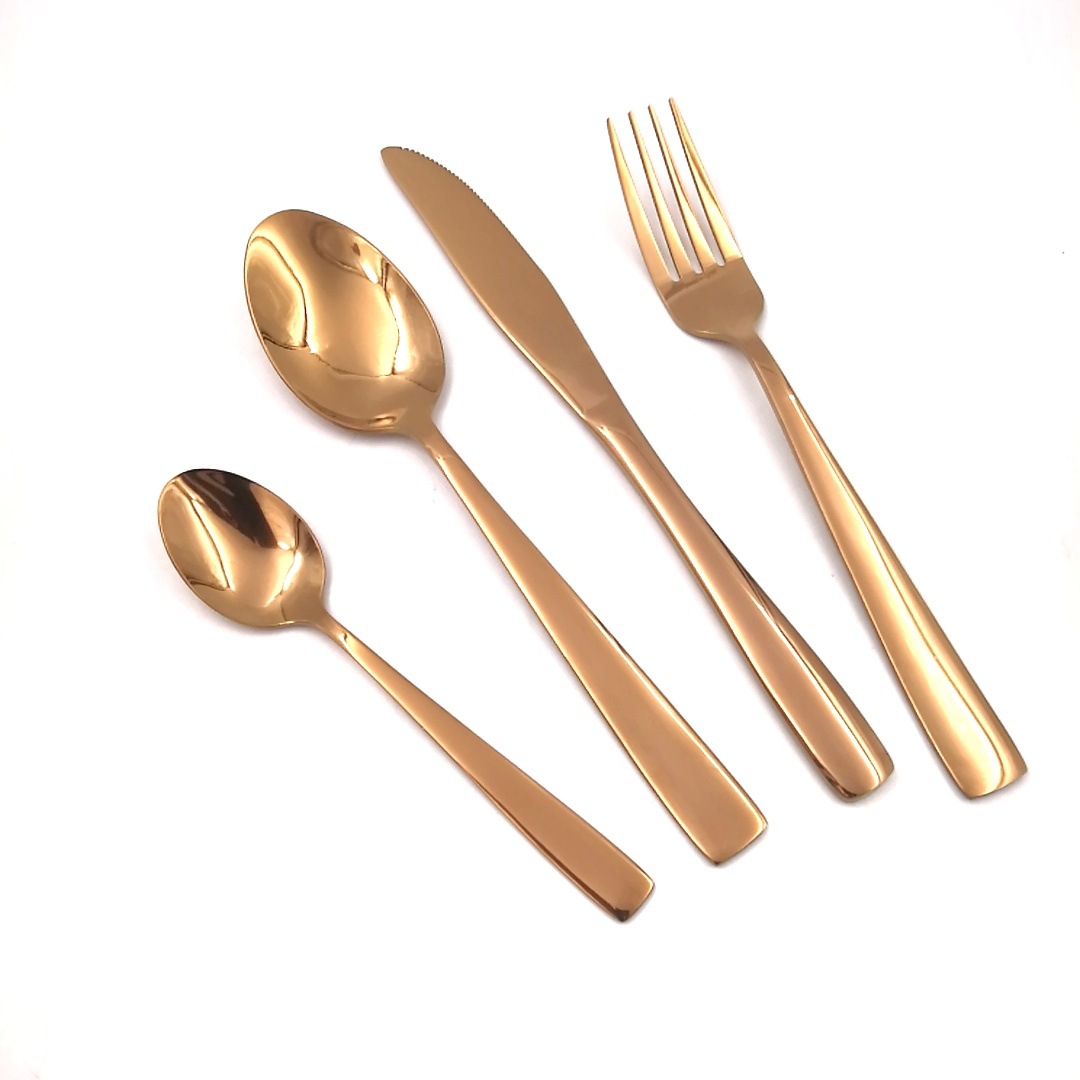
Why Is My Cutlery Rusting
Rust on cutlery is a common problem, especially for households and foodservice businesses that rely on high-performance stainless steel utensils.
Despite the name, stainless steel is not completely immune to rusting, particularly when exposed to certain conditions.
Understanding why rust forms and how to prevent it is essential for maintaining both hygiene and aesthetic quality in your kitchen.
The primary cause of rusting in cutlery is prolonged exposure to moisture and oxygen.
When water sits on the surface of cutlery for extended periods—especially in high-humidity environments—oxidation can occur.
Even high-grade products, like the robert welch honeybourne cutlery set, can show signs of rust if not properly cared for.
Another factor is dishwasher usage. Many consumers do not know how to set cutlery on a table or in a dishwasher in a way that prevents contact between different metals.
For example, mixing stainless steel and silver-plated cutlery in one wash cycle can lead to chemical reactions that accelerate rusting.
Residual detergents left on the surface also contribute to corrosion. That's why it's important to thoroughly rinse and dry cutlery immediately after washing.
At Homefelt, all stainless steel products are manufactured with optimal chromium content to resist corrosion.
With over 30 years in stainless steel product development, Homefelt ensures each item is built not only to perform but also to endure.
From cutlery to barbecue tools and beyond, each product undergoes rigorous quality testing to ensure long-term resistance to rust and wear.
Improper storage can also lead to rust formation. Placing damp cutlery in enclosed spaces, or stacking pieces on top of one another, traps moisture and restricts airflow.
This is why Homefelt includes design features in their product lines such as ventilated trays and drying slots for quick evaporation.
Some rusting problems also come from lower-quality products like unverified imports.
Brands like hoffmann cutlery may offer attractive pricing but may lack in protective finishes or stainless steel purity.
In contrast, Homefelt uses premium-grade steel verified for global export, offering peace of mind to customers worldwide.
Moreover, Homefelt provides educational material and customer support to help users understand how to properly clean and store their utensils.
Small steps—like drying cutlery with a soft cloth or avoiding overnight soaking—can significantly extend product life.
By identifying the source of rust and investing in quality products, users can maintain their cutlery in pristine condition.
With precision-engineered solutions and a focus on durability, Homefelt remains a top choice for those who value both performance and longevity in kitchenware.
Why Isn t Gold Used for Cutlery
Which Side Do You Put Cutlery On
Related Article



