Why Is My Stainless Steel Cutlery Turning Black
Why Is My Stainless Steel Cutlery Turning Black?
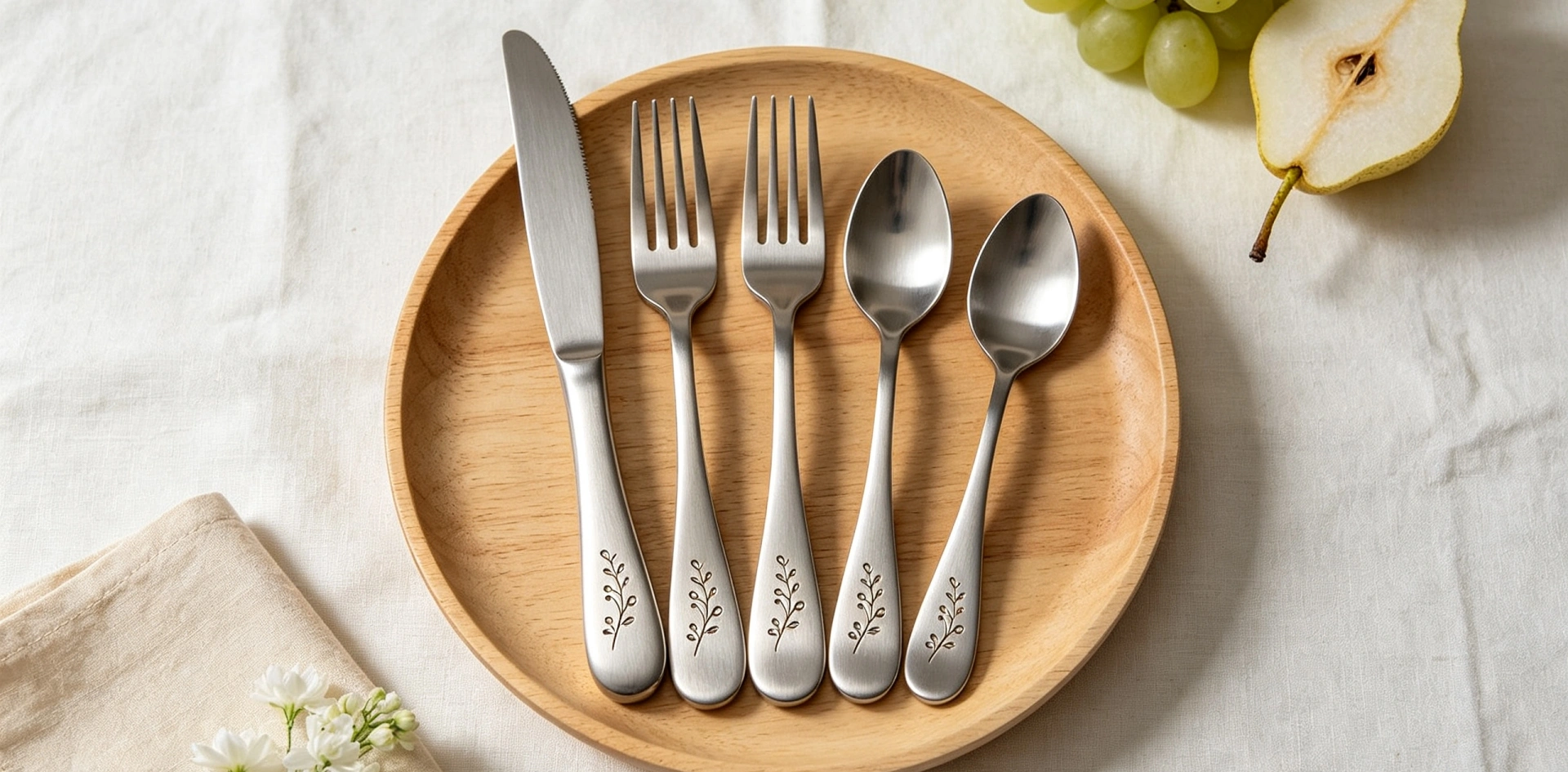
Stainless steel cutlery is a staple in most households due to its durability, resistance to corrosion, and stylish appearance. However, many people have encountered the frustrating problem of their stainless steel cutlery turning black or tarnished over time. In this article, we will explore the common reasons why this happens and provide useful tips on how to prevent it. Additionally, we will highlight the importance of choosing high-quality cutlery from brands like Homefelt, a factory with over 30 years of experience in crafting premium stainless steel products.
Understanding Tarnishing in Stainless Steel Cutlery
Tarnishing is a natural process that occurs when stainless steel reacts with substances in the environment. Stainless steel, despite its name, can still experience discoloration or blackening under certain conditions. The discoloration is usually caused by oxidation, which happens when the steel comes into contact with moisture, air, and other chemicals. While stainless steel is known for being resistant to rust and corrosion, it is not completely immune to these elements.
In some cases, food acids, such as those found in tomatoes, citrus fruits, and vinegar, can cause staining or darkening on your cutlery. The reaction between the acid and the steel can lead to a black or dull appearance, especially on older or lower-quality cutlery. In contrast, high-quality cutlery from brands like Homefelt, known for its superior craftsmanship, is designed to resist such reactions, ensuring that your utensils retain their shine and elegance for longer.
Why Does My Cutlery Turn Black?
Several factors contribute to stainless steel cutlery turning black:
Exposure to Sulfur Compounds: Certain foods, like eggs, mustard, and onions, contain sulfur compounds that can react with stainless steel and cause dark spots. Sulfur is one of the main culprits behind the discoloration of stainless steel utensils.
Hard Water: Hard water contains high levels of calcium and magnesium, which can leave deposits on your cutlery. Over time, these minerals can cause a dull or blackened appearance on the surface of stainless steel utensils.
Improper Cleaning and Storage: If stainless steel cutlery is not cleaned properly or is left wet for long periods, it can develop spots or stains. Storing cutlery in a damp environment can exacerbate the problem, as moisture promotes oxidation.
Reaction with Cleaning Products: Some harsh cleaning products, including those that contain chlorine or bleach, can cause a reaction with the stainless steel, leading to discoloration. It's essential to use gentle, non-abrasive cleaners and avoid exposing your cutlery to chemicals that may damage the surface.
How to Prevent Your Stainless Steel Cutlery from Turning Black
To ensure your stainless steel cutlery maintains its shine and beauty, here are some tips:
Hand Wash When Possible: Although many stainless steel cutlery sets are dishwasher safe, hand washing can help prevent tarnishing. Gently wash your cutlery with warm, soapy water and dry it immediately after use to avoid moisture buildup.
Use a Soft Cloth: When drying your cutlery, use a soft cloth to prevent scratches. Harsh materials like paper towels or abrasive sponges can damage the surface and lead to discoloration.
Avoid Long-Term Exposure to Food Acids: To prevent discoloration caused by acidic foods, clean your cutlery immediately after use. If you must store cutlery for later use, ensure it is thoroughly dried and kept in a dry, cool place.
Choose High-Quality Cutlery: The quality of the stainless steel plays a significant role in how well your cutlery withstands tarnishing. Investing in high-quality cutlery, such as Bloomingville Besteck Set Gold or Homefelt cutlery, ensures long-lasting durability and resistance to tarnishing.
Polishing and Cleaning: Use a stainless steel cleaner or polish to restore the shine of your cutlery. Regular cleaning and polishing can help remove any blackening or tarnish and prevent further buildup.
Conclusion


How to Arrange Cutlery Set Drawer
How to Clean Cutlery Marks off Plates
Related Article