Why Stainless Steel Continues to Outperform Alternative Materials for Cutlery
Choosing the right material is one of the first decisions when developing a cutlery collection. While today's market offers products made from stainless steel, plastic, bamboo, silicone, wood, and other materials, stainless steel continues to be the preferred choice for both household and commercial tableware.
The biggest advantage of stainless steel is durability. Unlike many alternative materials, it is designed for long-term use. With proper care, stainless steel cutlery can maintain its appearance and performance for years, making it a practical choice for both consumers and businesses.
Another reason is hygiene. Stainless steel has a smooth, non-porous surface that is easy to clean and does not absorb food odors or stains under normal use. This makes it particularly suitable for products used every day, including children's cutlery and restaurant tableware.
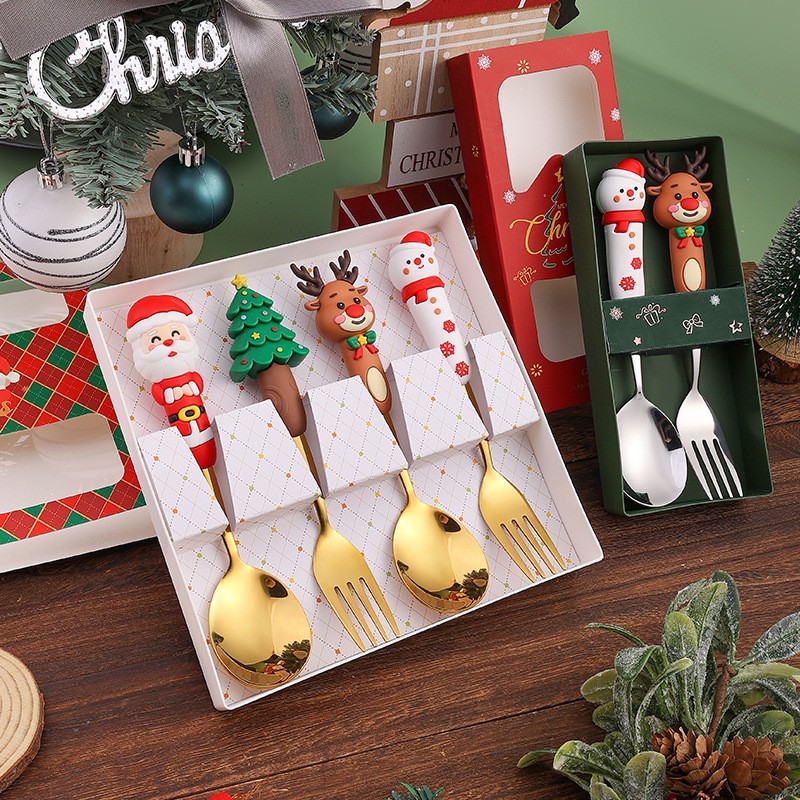
From a design perspective, stainless steel also offers greater flexibility. It can be combined with silicone, plastic, ceramic, or wooden handles to create products that match different markets and customer preferences while keeping the strength of a stainless steel working end.
Sustainability is another important consideration. Many consumers are replacing short-life products with reusable alternatives. Stainless steel supports this trend because it is durable, recyclable, and suitable for repeated use over many years.
This does not mean that other materials have no place in the market. Silicone is widely used for comfortable grips, ceramic provides a premium appearance, and plastic offers colorful design options. However, in most cases these materials are used as handle components, while stainless steel remains the primary food-contact material.
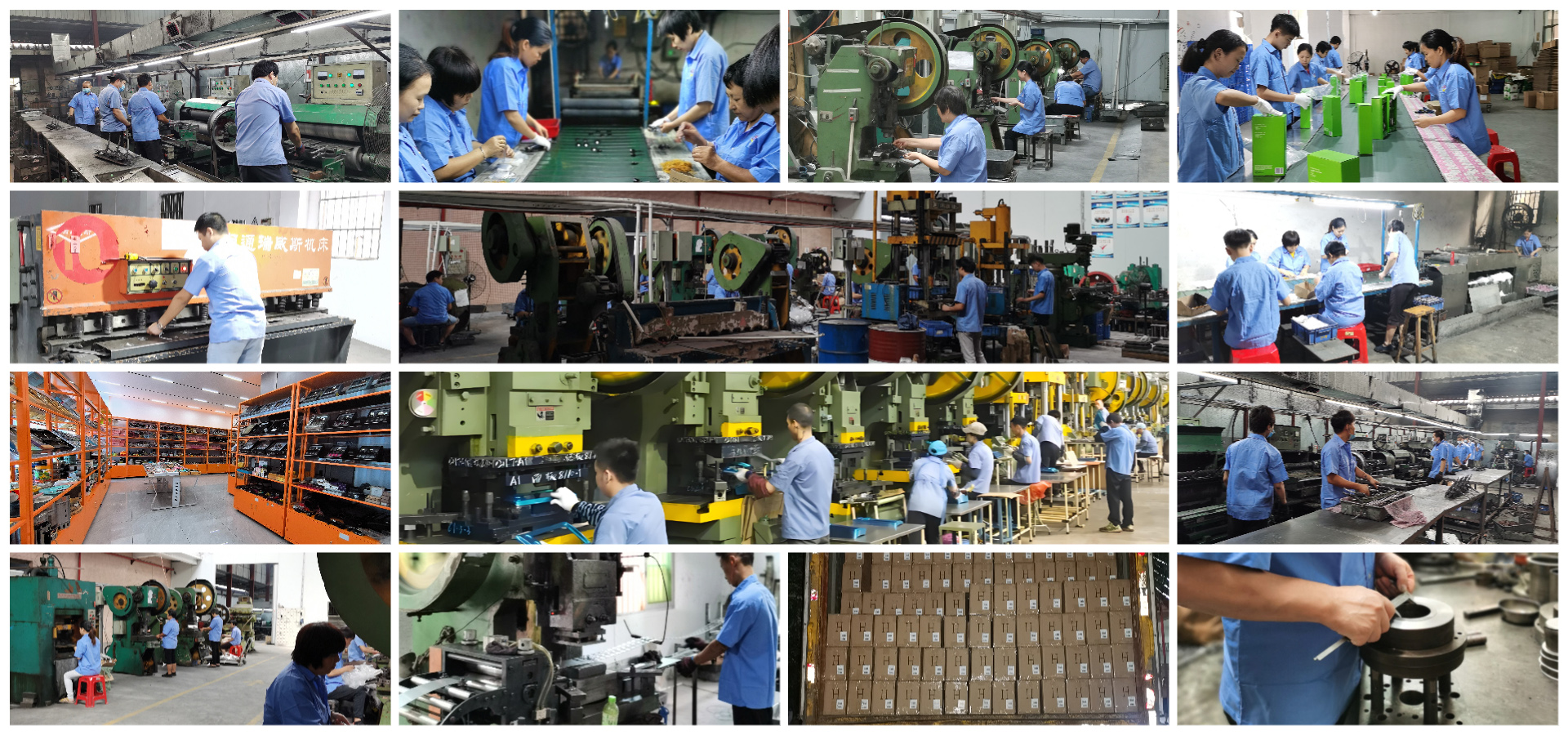
For OEM buyers, stainless steel also provides stable manufacturing quality. Different surface finishes, thicknesses, and handle combinations allow brands to create distinctive product collections without changing the core material.
Industry Insight
Many retailers are simplifying their product portfolios by focusing on fewer, more durable products. Stainless steel cutlery aligns well with this approach because it combines long service life with broad consumer acceptance across different markets.
Expert Tip
When comparing cutlery materials, don't focus only on appearance. Consider how the product will perform after months of daily use, repeated washing, and transportation. Long-term performance is often more important than first impressions.
Buyer Takeaway


What Importers Look for Before Choosing a Tableware Manufacturer
How Packaging Expectations Are Changing for Cutlery Brands