
Why Stainless Steel Is Replacing Plastic Cutlery in Global Markets
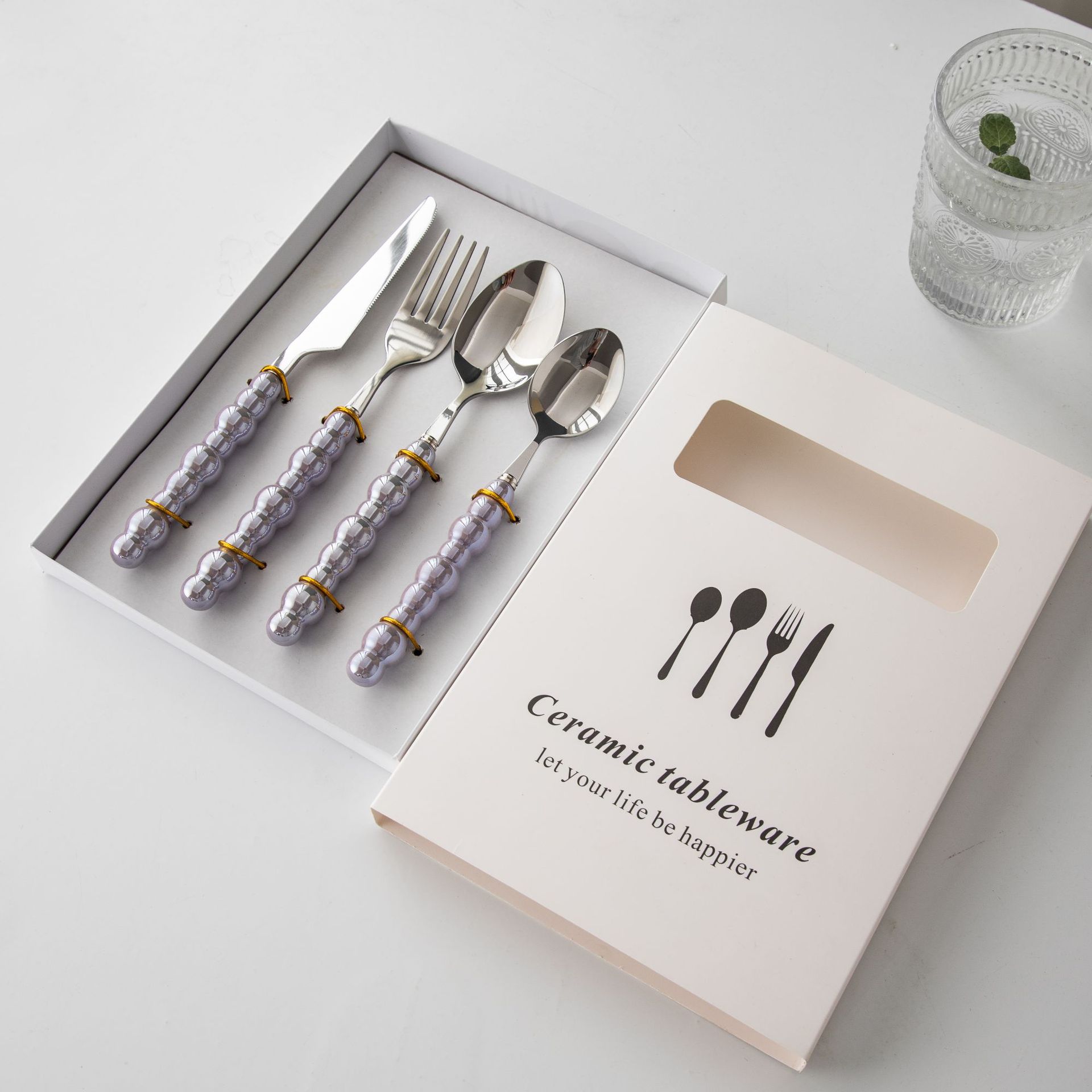
In recent years, stainless steel cutlery has been steadily replacing plastic alternatives in both retail and hospitality markets. This shift is driven by a combination of environmental pressure, durability concerns, and changing consumer expectations.
Plastic cutlery, while low-cost, has several limitations. It is prone to bending, breaking, and discoloration over time. In many cases, it is considered single-use or short-life, which does not align with current sustainability goals in EU and US markets.
Governments and retailers are increasingly restricting single-use plastics. This has accelerated the demand for reusable alternatives, with stainless steel emerging as one of the most stable solutions.
Durability is a key advantage. Stainless steel cutlery can withstand repeated washing, including industrial dishwashing environments, without losing structural integrity. This makes it suitable for both home and commercial use.
Another factor is consumer perception. Stainless steel products are often associated with higher quality and longer lifespan. This perception directly influences purchasing decisions, especially in mid-range and premium retail segments.
From a manufacturing perspective, stainless steel also offers more flexibility in OEM production. It can be combined with different handle materials such as silicone, plastic, or ceramic, allowing brands to create diversified product lines.
In contrast, plastic cutlery is limited in both durability and premium positioning. While it still exists in low-cost segments, its role in global markets is gradually shrinking.


Hospitality Industry Demand for Stainless Steel Cutlery Is Increasing
EU and US Regulations Are Reshaping the Kids Cutlery Market



