
Why Weight Matters in Adult Stainless Steel Cutlery Sets
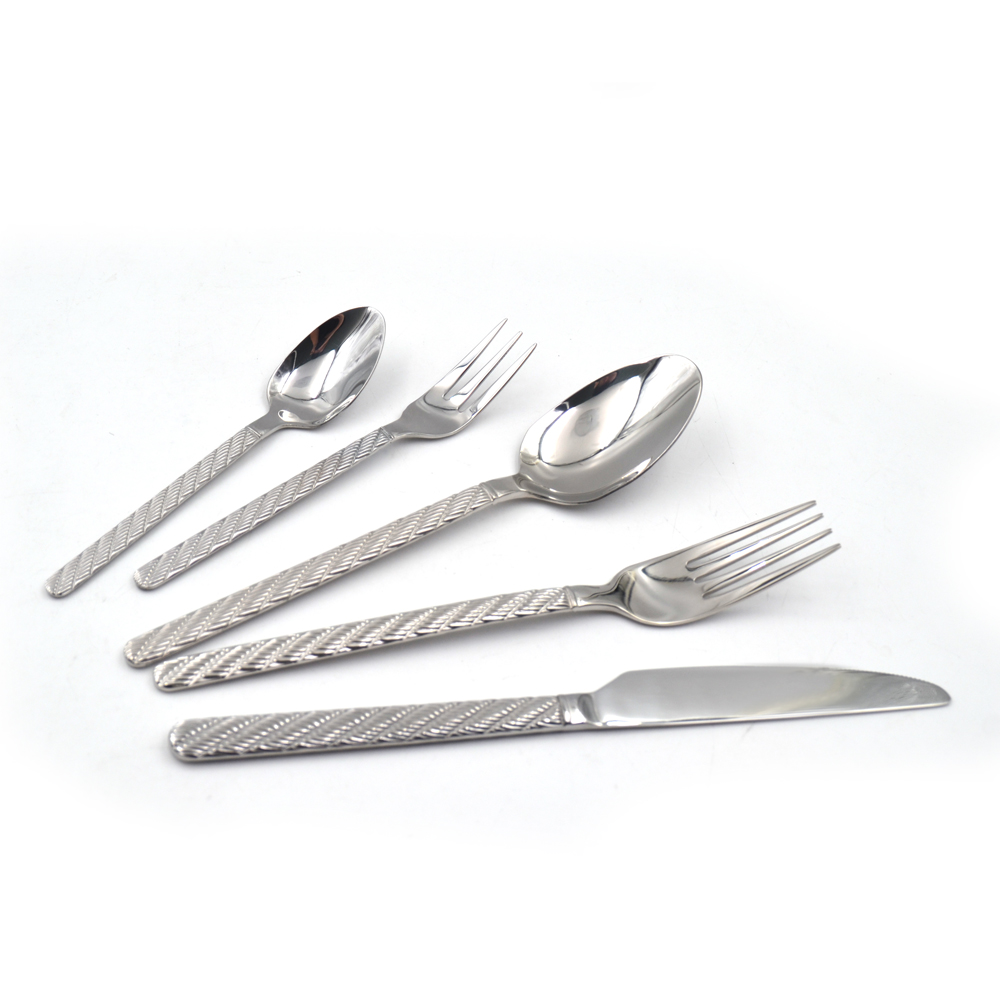
When customers pick up a stainless steel fork or spoon, the first thing they notice is not the design. It is the weight.
In EU and US markets, heavier cutlery is often associated with higher quality. A well-balanced, solid-feel utensil creates an immediate impression of durability and value. Lightweight cutlery, even if visually attractive, may feel cheap or disposable.
Weight in stainless steel cutlery depends mainly on material thickness and structure. Thicker steel increases durability and resistance to bending. It also improves balance between the handle and the head, making the utensil feel stable during use.
For restaurants and hotels, this matters even more. Cutlery is handled hundreds of times a day. Thin or poorly balanced utensils wear out quickly and reduce the dining experience. Heavier stainless steel cutlery withstands frequent washing, stacking, and impact.
From a manufacturing perspective, controlling weight is part of product positioning. OEM buyers can adjust thickness and structure depending on target price and market level. Mid-range retail lines may focus on balance, while high-end collections emphasize solid weight and premium feel.
In adult stainless steel cutlery, weight is not just a detail—it directly affects customer perception and long-term performance.


Restaurant-Grade Stainless Steel Cutlery Built for Daily Commercial Use
Choose us for buying vintage stainless steel cup bowl plate



