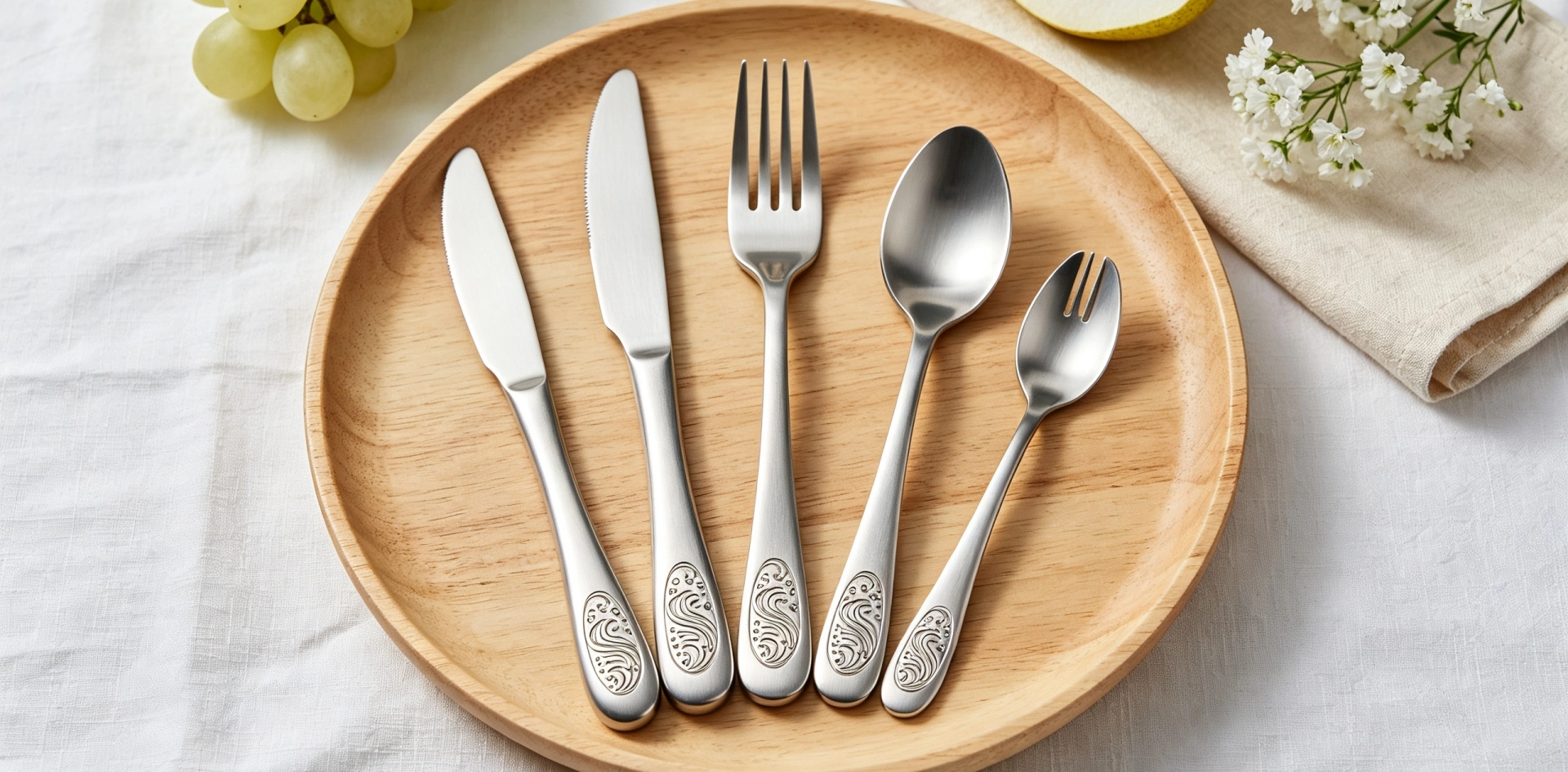
Are Cutlery Made of Iron?
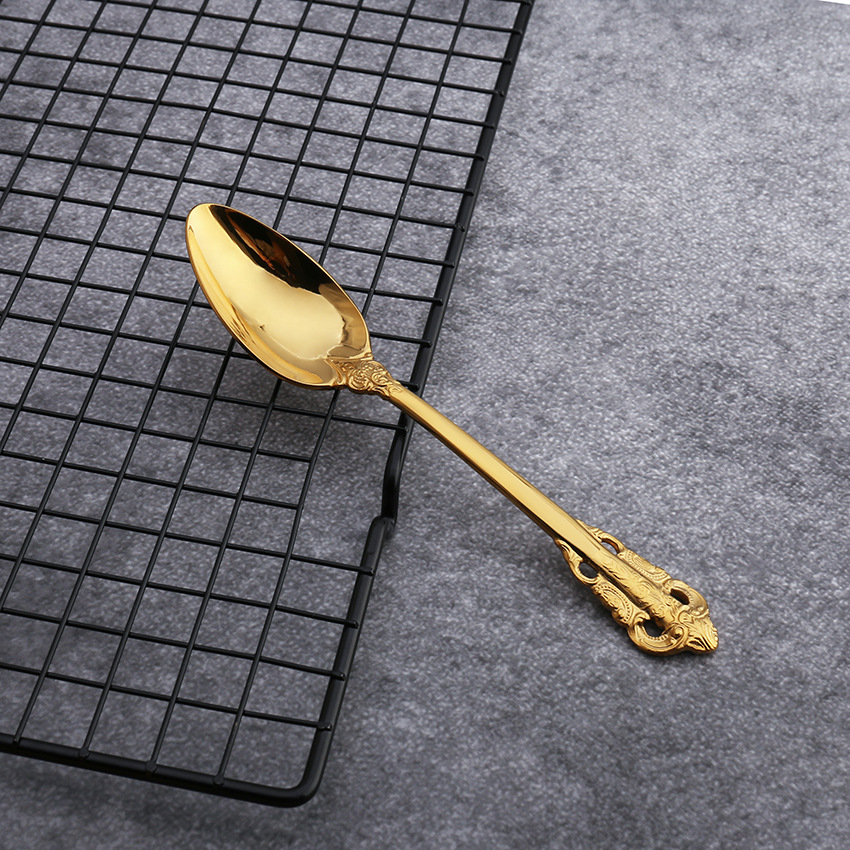
Are Cutlery Made of Iron?
The materials used in cutlery manufacturing have evolved over centuries, with iron playing a foundational role.
This article delves into the use of iron in cutlery, its advantages and disadvantages,
and how modern manufacturers like Homefelt have adapted to changing preferences and technologies.
Historical Use of Iron in Cutlery
Iron was one of the earliest metals used for making tools and utensils. Its abundance and malleability made it a popular choice.
However, pure iron is soft and prone to corrosion, which posed challenges for its use in cutlery.
Transition to Steel and Stainless Steel
To overcome iron's limitations, manufacturers began alloying it with carbon to produce steel, enhancing strength and durability.
The introduction of stainless steel, which includes chromium and nickel, further revolutionized cutlery by offering:
Resistance to rust and staining
Enhanced strength and edge retention
Aesthetic appeal with a polished finish
These advancements made stainless steel the preferred material for modern cutlery.
Contemporary Iron Cutlery
While less common, some artisans and manufacturers still produce iron cutlery, often for traditional or aesthetic reasons.
These pieces require meticulous care to prevent rust and maintain their appearance.
Homefelt Approach
Homefelt recognizes the historical significance of iron in cutlery. While embracing modern materials like stainless steel for everyday use,
they also offer specialty items that pay homage to traditional iron craftsmanship, catering to niche markets and collectors.
Conclusion
Iron laid the groundwork for cutlery development, but advancements in metallurgy have led to more durable and user-friendly materials.
Manufacturers like Homefelt balance tradition and innovation, offering products that meet contemporary standards while honoring historical craftsmanship.
Are E Herriott and Sons Sheffield Still Making Cutlery
Are Cutlery Corner Knives Good?
Related Article