
Can Stainless Steel Cutlery Go in the Dishwasher?
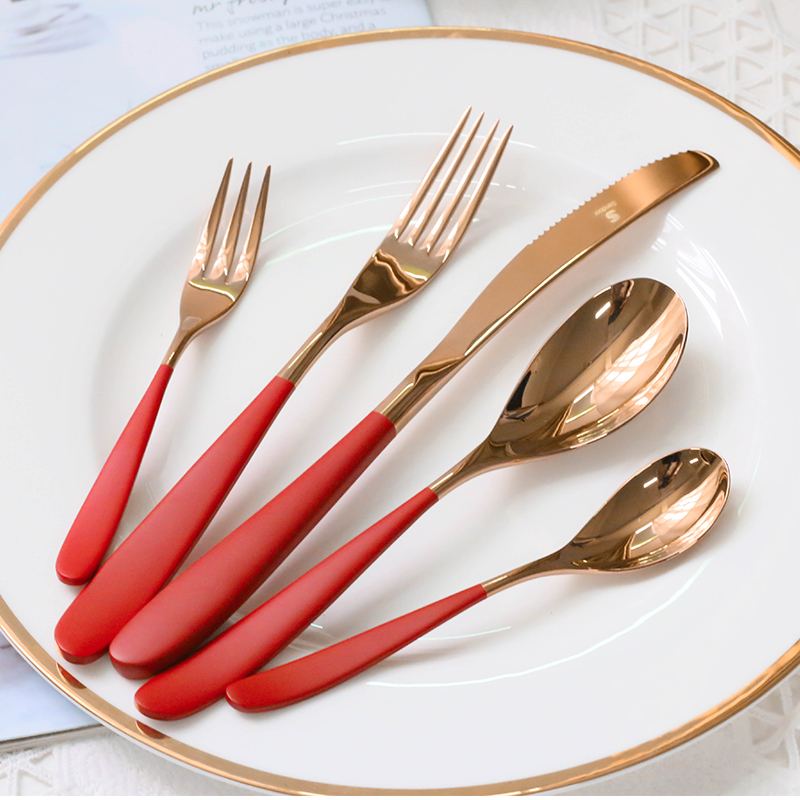
Can Stainless Steel Cutlery Go in the Dishwasher?
If you’ve invested in a quality chef's cutlery set or a stylish William Sonoma cutlery collection,
you may be wondering: Can stainless steel cutlery go in the dishwasher?
After all, convenience is key when it comes to cleaning up after meals,
and many of us rely on our dishwashers to handle the bulk of the cleaning.
But is it safe to place your stainless steel cutlery in the dishwasher, or should it be hand-washed?
Let’s explore the pros and cons of washing stainless steel cutlery in the dishwasher
and share some tips for ensuring your Homefelt flatware lasts as long as possible.
The Benefits of Dishwasher-Safe Stainless Steel Cutlery
Stainless steel cutlery, including knives, forks, spoons, and serving utensils, is generally durable and resistant to rust and corrosion.
This makes it well-suited for dishwasher use. Here are some reasons why you might consider using your dishwasher:
Convenience: The most obvious benefit of using a dishwasher is convenience.
Simply load your utensils into the dishwasher, and let it do the work for you. This saves time and effort, especially after a large meal.
Efficient Cleaning: Dishwashers are designed to clean effectively,
using high-pressure water jets and detergents to remove food residue from your cutlery.
For busy households, this is an efficient way to ensure all your chef's cutlery is cleaned thoroughly.
Heat Sterilization: Dishwashers sanitize cutlery using high temperatures, which can be beneficial for killing germs and bacteria,
providing an extra layer of cleanliness.
Potential Risks of Dishwashing Stainless Steel Cutlery
While there are many benefits to using a dishwasher, there are also potential risks. Here’s what you should consider:
Tarnishing Over Time: Although stainless steel is resistant to rust, over time,
frequent exposure to the high heat and harsh detergents in dishwashers can cause the cutlery to tarnish.
The dishwasher’s heat can also cause discoloration, especially if you’re washing cutlery
with a knife store in Chattanooga Tennessee label or similar designs.
Scratching: Dishwashers can be rough on your flatware. If utensils are placed in the dishwasher without being secured properly,
they can bounce around and collide with other items, leading to scratches.
Detergents and Harsh Chemicals: Some dishwasher detergents contain chemicals that can be too harsh for your cutlery.
While stainless steel is durable, certain chemicals in dishwashing tablets may degrade the surface over time.
Best Practices for Washing Stainless Steel Cutlery in the Dishwasher
If you prefer to use your dishwasher, follow these tips to ensure the longevity of your William Sonoma cutlery:
Place Cutlery in the Top Rack: Always place your cutlery in the top rack of the dishwasher.
The top rack is less exposed to direct heat from the heating element, reducing the risk of discoloration.
Avoid Mixing with Other Metals: Do not wash stainless steel cutlery with other metals such as aluminum or cast iron.
These metals can cause reactions that lead to tarnishing.
Use Mild Detergent: Choose a mild, non-abrasive detergent designed for stainless steel.
Avoid using bleach-based products, as they can damage the surface of your cutlery.
Dry Immediately: After the washing cycle is complete, remove your Homefelt flatware immediately and dry it with a soft cloth.
This helps prevent water spots and reduces the chance of tarnishing.
Conclusion
While it’s generally safe to wash stainless steel cutlery in the dishwasher,
there are some precautions you should take to ensure the longevity of your flatware.
If you own chef's cutlery or a fine set of William Sonoma cutlery,
following best practices will help maintain its appearance and function.
As with any kitchenware, careful attention to care and cleaning can ensure your utensils remain in excellent condition for years to come.
Can Titanium Cutlery Set Be Washed?
Can Stainless Steel Cutlery Be Recycled?
Related Article



