
Stainless Steel Cutlery Inventory Planning and Replenishment for Wholesale Buyers
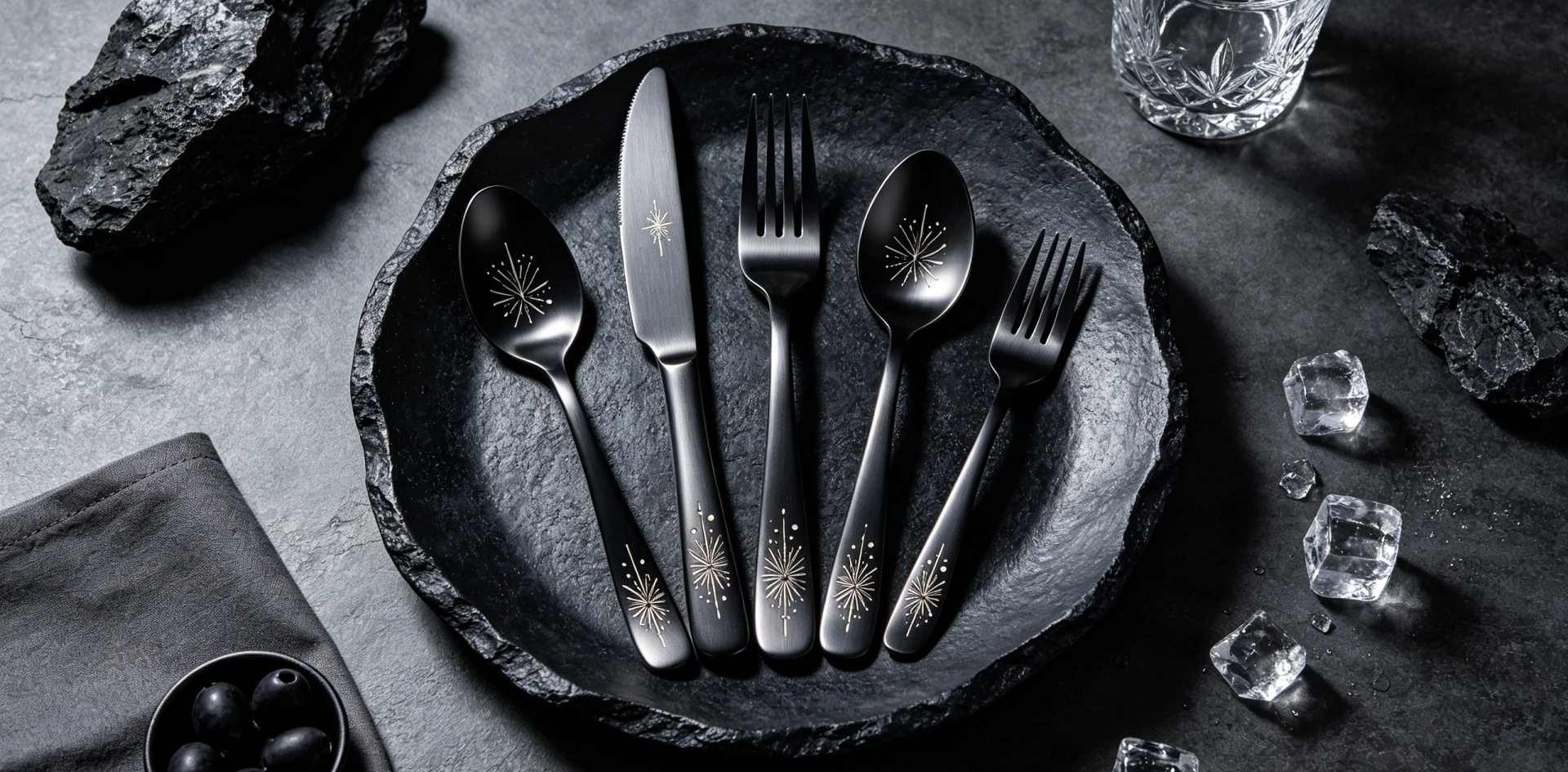
Stainless Steel Cutlery Inventory Planning and Replenishment for Wholesale Buyers
Inventory planning is an important part of purchasing stainless steel cutlery for retail, hospitality, distribution, and private label projects. Buyers need to maintain sufficient stock for regular orders without tying up excessive capital in slow-moving products. A practical inventory strategy considers product specifications, sales patterns, supplier lead times, packaging configurations, and the flexibility of future replenishment.
For businesses sourcing knives, forks, spoons, and complete flatware sets, working with a capable manufacturing partner can make inventory decisions easier. Homefelt factory supports stainless steel cutlery customization, OEM/ODM projects, wholesale supply, and bulk production, helping buyers coordinate product specifications and repeat orders around their business requirements.
1. Separate Core Products from Seasonal and Special Designs
Not every cutlery item needs the same inventory strategy. Buyers can begin by dividing their product range into three categories: core products, seasonal products, and special-order designs.
Core products are items with relatively stable demand, such as standard stainless steel spoons, forks, table knives, and frequently purchased cutlery sets. These products may justify more consistent replenishment because stockouts can interrupt regular sales.
Seasonal products may experience demand changes around holidays, wedding seasons, hospitality purchasing cycles, or promotional campaigns. Buyers should review historical sales and upcoming activities before confirming production quantities.
Special-order products include customized handle patterns, distinctive finishes, branded packaging, or exclusive set combinations. These items may require closer coordination because they cannot always be replaced immediately with standard stock.
A useful product planning sheet can include the model number, material grade, finish, dimensions, unit weight, packaging configuration, current stock, average sales, and expected replenishment date. Keeping these details together reduces confusion when several similar designs are purchased from the same factory.
2. Calculate Replenishment Needs Using Real Sales Data
A purchase quantity should reflect expected demand and available stock rather than relying entirely on intuition.
One basic method is to calculate the reorder point using average daily demand and the supplier's replenishment lead time.
Reorder point = Average daily demand × Lead time in days + Safety stock
For example, if a buyer sells an average of 40 cutlery sets per day, expects replenishment to take 30 days, and maintains safety stock of 300 sets, the reorder point would be 1,500 sets.
This is an illustrative calculation, not a universal purchasing target. Actual planning should account for demand fluctuations, confirmed orders, production scheduling, shipping time, and the possibility of delays.
Buyers should also distinguish factory production lead time from total replenishment time. The full purchasing cycle may include sample confirmation, production, inspection, packing, export documentation, international transportation, customs clearance, and delivery to the warehouse.
For products with customized logos or packaging, allow sufficient time for artwork approval and any required pre-production checks.
3. Consider Product Variations When Setting Stock Levels
Stainless steel cutlery inventory is more complex when one product family includes multiple lengths, finishes, handle patterns, or packaging options.
A standard dinner fork and a customized fork may look similar but represent different stock-keeping units. Gold-colored flatware and mirror-polished silver-tone flatware also require separate inventory records when their finishes and customer applications differ.
Buyers should establish a clear SKU structure before placing bulk orders. Each SKU should identify the product model and relevant variations without relying solely on photographs or informal descriptions.
For a cutlery set, record the exact piece count and the quantity of each item. A set containing dinner forks, dinner spoons, table knives, and teaspoons must be replenished according to its defined assortment. If one component becomes unavailable, the buyer may be unable to assemble complete sets even when the remaining pieces are in stock.
Homefelt factory can coordinate product specifications and customized assortment requirements for OEM/ODM and private label projects. Confirming the model list, quantities, and packaging details before production helps buyers maintain more reliable inventory records.
4. Balance Minimum Order Quantities with Warehouse Capacity
Bulk manufacturing can help businesses consolidate purchasing, but a larger order is not automatically the best option. Buyers need to compare expected sales, storage capacity, cash flow, and the cost of placing repeat orders.
For established products with predictable demand, a larger production batch may support more efficient purchasing and replenishment. For new designs or products with uncertain demand, a more cautious initial quantity can reduce the risk of excess stock.
Before confirming an order, ask the manufacturer to clarify the minimum order quantity for each product, whether mixed models are possible, and whether customized packaging creates additional quantity requirements.
Also consider carton dimensions, gross weight, and the number of cartons required. Stainless steel cutlery is relatively durable, but poorly planned outer-carton sizes can consume valuable warehouse space and complicate picking and distribution.
The right order quantity should support a manageable stock cycle rather than simply maximize the number of units purchased.
5. Use a Consistent Process for Repeat Orders
Repeat purchasing becomes more efficient when buyers maintain a complete reference for each approved product.
A practical repeat-order record should contain:
-
Approved product drawings or reference photographs
-
Stainless steel grade and other agreed material details
-
Product dimensions, thickness where applicable, and unit weight
-
Surface finish and logo requirements
-
Piece count and assortment for each set
-
Inner packaging and outer-carton specifications
-
Approved sample reference and applicable inspection criteria
-
Previous order quantities and replenishment dates
These records help purchasing teams compare quotations, identify specification changes, and avoid ordering a similar-looking but incorrect model.
For customized products, buyers should confirm whether a requested change affects tooling, production preparation, unit pricing, packaging, or delivery schedules. A small change in handle decoration or box configuration can influence the purchasing plan even when the basic cutlery design remains unchanged.
Homefelt factory can coordinate product development, specification confirmation, packaging arrangements, and transportation planning as part of a one-stop service based on the project scope.
6. Review Supplier Performance Before Increasing Stock Commitments
Inventory decisions depend partly on the reliability of the supply chain. Buyers should evaluate suppliers using practical indicators, including delivery performance, consistency between approved samples and production goods, responsiveness to specification questions, and the completeness of order documentation.
For suitable projects, buyers can also request relevant quality inspection records, material documentation, and applicable certification information. The documents should match the actual product, manufacturing process, and destination-market requirements rather than being treated as interchangeable across every item.
A distributor replenishing standard flatware may prioritize stable specifications and dependable repeat production. A brand developing a private label range may place greater emphasis on design coordination, packaging execution, and product consistency across multiple orders.
Homefelt factory works with buyers seeking stainless steel cutlery customization, OEM/ODM manufacturing, wholesale supply, and bulk production. Sharing sales forecasts and purchasing schedules early can help both parties assess production requirements and plan orders more effectively.
7. Example: Building a Replenishment Plan for a Growing Distributor
Consider a distributor selling several stainless steel cutlery collections to retailers. One standard collection has steady demand, while a newly introduced colored collection sells less predictably.
The distributor can maintain a regular reorder point for the established collection based on sales velocity, lead time, and safety stock. For the newer collection, the purchasing team can review actual sales more frequently and avoid committing to a large repeat batch before demand becomes clearer.
The team can also separate standard products from customized SKUs, confirm packaging quantities, and establish a calendar for reviewing stock levels before major selling periods.
When discussing the next purchase with Homefelt factory, the distributor can provide an updated model list, estimated quantities, approved specifications, and the preferred delivery window. This information gives the factory a clearer basis for discussing production capacity, order grouping, packaging requirements, and shipment arrangements.
The example illustrates a general planning approach rather than a guarantee of a particular inventory result. Each business should adjust its purchasing rules to its sales data, budget, and supply conditions.
8. Prepare a Clear Purchasing Forecast for Your Cutlery Supplier
A useful purchasing forecast does not need to be complicated. It should identify the products that need replenishment, the quantities under consideration, the target delivery period, and any changes to specifications or packaging.
For more accurate planning, buyers can provide current inventory levels, expected sales, open purchase orders, and the timing of upcoming promotions. These details help distinguish urgent replenishment from orders that can be scheduled later.
If you are sourcing stainless steel knives, forks, spoons, or complete flatware sets, Homefelt factory can discuss custom specifications, OEM/ODM development, private label requirements, wholesale quantities, and bulk production planning. Product design, packaging, and transportation can also be coordinated according to your project needs.
Contact the Homefelt team with your product list, estimated quantities, and target delivery date to discuss suitable manufacturing and replenishment options.
You May Be Interested In
How to Prepare a Stainless Steel Cutlery RFQ for Accurate Factory Quotations
Stainless Steel Spoon Strength: Evaluating Bending Resistance for Bulk Orders
Related Article



