
How Do I Clean a Wooden Cutlery Block?
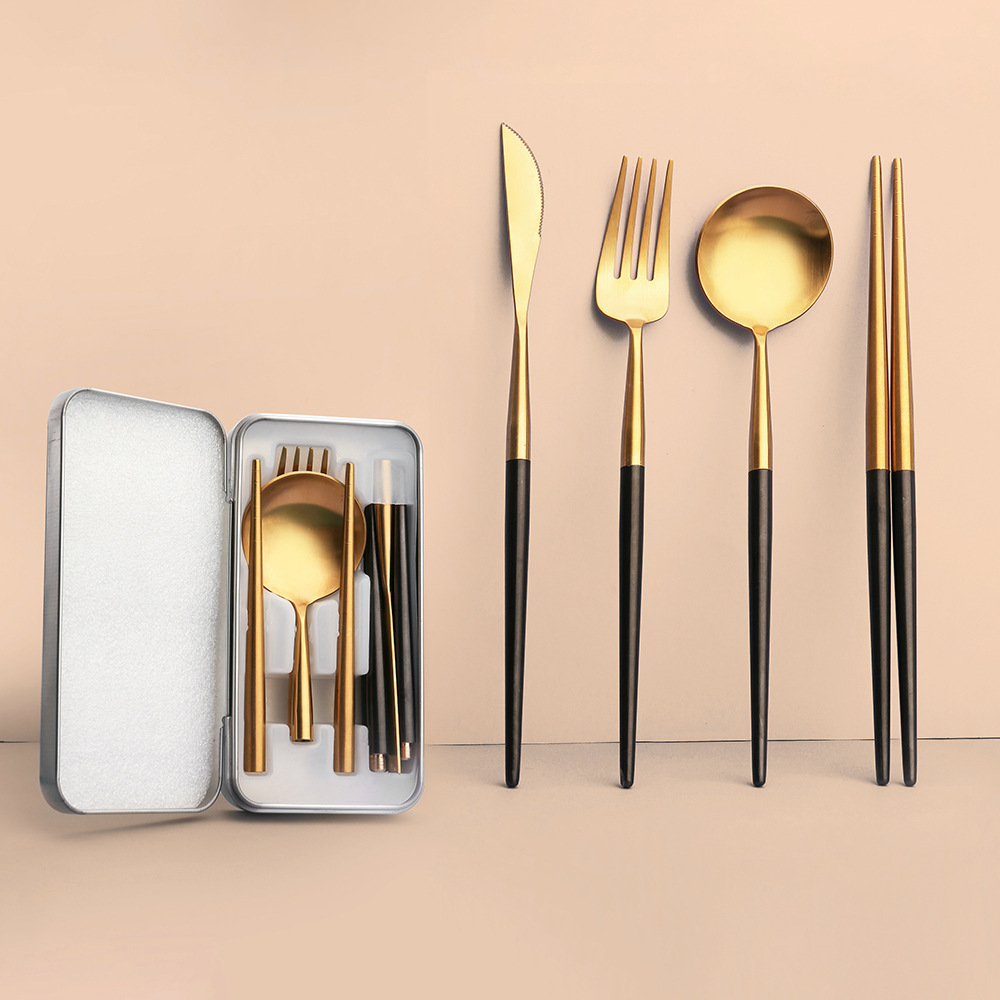
How Do I Clean a Wooden Cutlery Block?
A wooden cutlery block is a kitchen staple that provides a safe and organized way to store knives and utensils.
However, over time, these blocks can accumulate dust, food particles, and even moisture that could cause damage if not cleaned properly.
If you own a wooden flatware block, it’s important to know how to properly clean it to maintain its appearance and functionality.
In this article, we’ll guide you through the best practices for cleaning and maintaining your wooden cutlery block,
and we’ll explore some of the best knives, like the Shun Premier cleaver, that work well with these blocks.
1. Why Clean a Wooden Cutlery Block?
A wooden cutlery block serves more than just a storage function. It’s a key part of maintaining the sharpness and safety of your knives.
If the block gets too dirty, it can harbor bacteria, moisture, and food residue,
all of which can negatively affect your knives and the overall hygiene of your kitchen.
By regularly cleaning your wooden block, you ensure:
Protection for Your Knives: Proper cleaning prevents damage to the blades.
Longevity of the Block: Cleaning helps maintain the condition of the wood, preventing splits or warping.
Hygiene: Removing any food particles or residue keeps the area sanitary.
2. The Step-by-Step Guide to Cleaning Your Wooden Cutlery Block
To clean your wooden flatware block, follow these simple steps:
Step 1: Remove the Knives: Before cleaning, remove all the knives from the block.
If you have knives like the Shun Premier cleaver, be sure to handle them carefully during this step.
Step 2: Dust Off: Use a small brush or a vacuum cleaner with a hose attachment to remove any dust, crumbs,
or food particles that may have accumulated in the slots.
Step 3: Clean with Soap and Water: Dampen a cloth with warm water and add a small amount of mild dish soap.
Wipe down the exterior and interior of the block, ensuring that no water seeps into the wood. Excess moisture can cause the block to warp or split.
Step 4: Dry the Block: After cleaning, thoroughly dry the block with a clean, dry cloth. Allow the block to air dry completely before reinserting the knives.
Step 5: Condition the Wood: To protect the wood and keep it looking good, apply a wood conditioner or mineral oil.
This will help maintain the block’s finish and prevent cracking.
3. Tips for Maintaining Wooden Cutlery Blocks
Regular Cleaning: It’s important to clean the block every few weeks to prevent buildup.
Avoid Harsh Chemicals: Never use harsh chemicals or abrasive scrubbers, as they can damage the wood’s surface.
Choose the Right Knives: Using a cleaver, such as the Shun Premier cleaver, or a knife set with a sturdy handle, can reduce the risk of damaging the block.
Placement: Ensure your block is kept in a dry area to avoid excess moisture, which could weaken the wood.
4. Are Shun Knives Good for Wooden Blocks?
Absolutely! Shun knives are an excellent choice for wooden blocks.
Their high-quality craftsmanship and sharpness are complemented by their durable and stylish design.
The smooth, ergonomic handles of Shun knives prevent damage to the block, and their sharp edges remain intact with proper care.
Conclusion
Cleaning and maintaining a wooden cutlery block is essential for preserving both the block and your knives.
By following these simple steps, you can ensure that your Shun Premier cleaver and other knives remain in excellent condition.
Regular cleaning, along with proper storage techniques, will help you extend the life of your block and keep your kitchen hygienic and organized.
How Do I Clean Bronze Cutlery?
How Do Americans Use Cutlery?
Related Article



