
How Is Bamboo Cutlery Made?
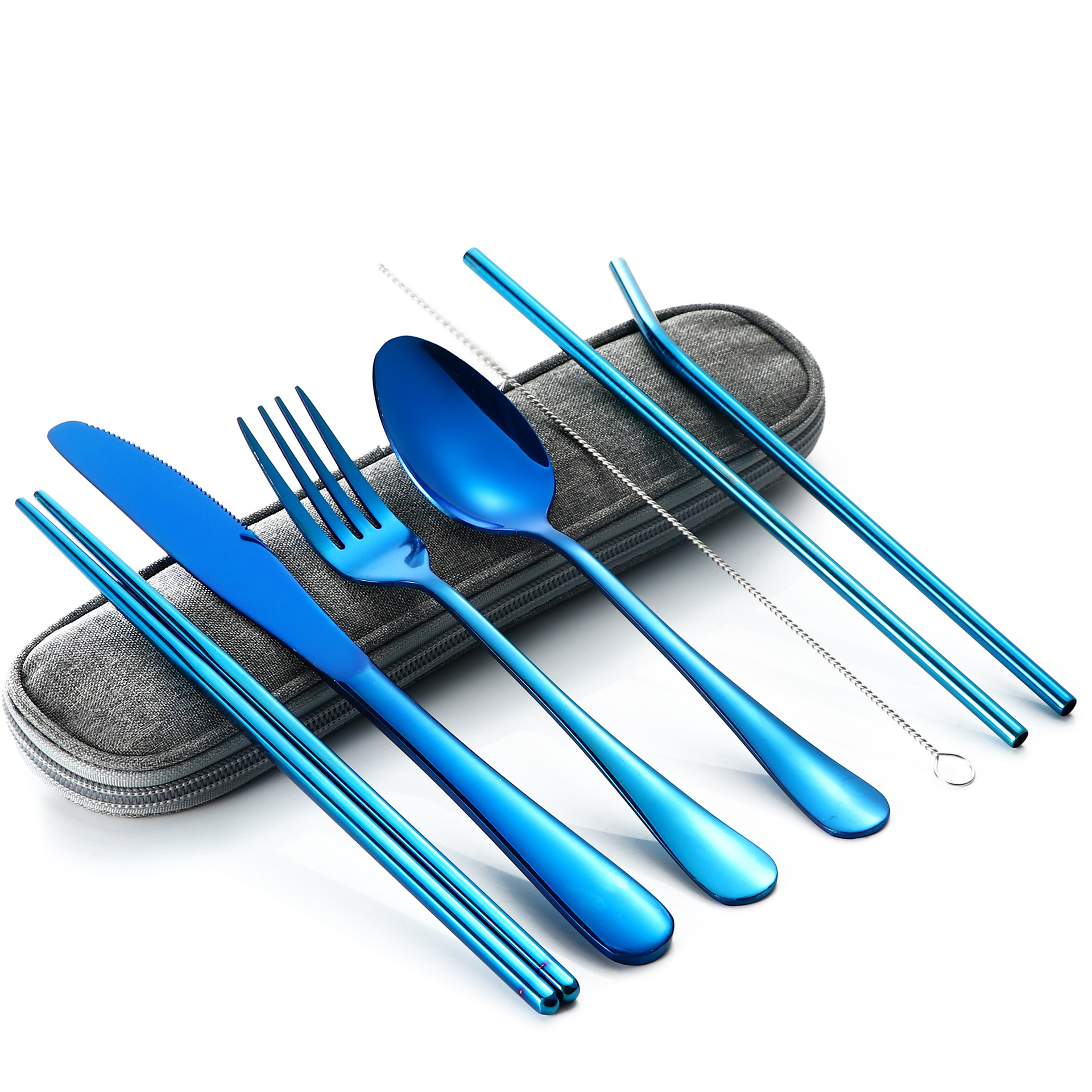
How Is Bamboo Cutlery Made?
Bamboo cutlery is gaining popularity due to its eco-friendly nature, durability, and stylish appearance.
Many consumers are curious about how bamboo cutlery is made and why it’s a great alternative to plastic or metal utensils.
In this article, we will take you through the entire process of making bamboo cutlery, from harvesting to the final product.
1. Harvesting the Bamboo
Bamboo is one of the fastest-growing plants in the world.
Unlike traditional trees used for wooden cutlery, bamboo can be harvested in just 3-5 years.
Sustainable bamboo farms ensure that the plant is cut at the right time to maintain its strength and flexibility.
2. Processing and Cutting the Bamboo
Once harvested, the bamboo is cut into specific lengths based on the type of cutlery being produced.
The outer layer is removed to expose the smooth inner surface. This step ensures the material is easy to shape and process further.
3. Shaping the Cutlery
At this stage, the bamboo pieces are shaped into different types of utensils, such as flatware spoons, forks, and knives.
Manufacturers use precise cutting tools and molds to ensure uniformity in size and shape.
4. Sanding and Polishing
To achieve a smooth finish, the bamboo cutlery undergoes sanding and polishing.
This step removes any rough edges and enhances the final product’s appearance.
Some high-end brands, such as Homefelt, specialize in handcrafted polishing techniques to create a premium look and feel.
5. Coating and Finishing
To improve durability, bamboo cutlery is often coated with natural oils or plant-based wax
. This helps to prevent water absorption and prolongs the life of the utensils. Unlike Asian silverware,
which often consists of metal components, bamboo cutlery remains entirely biodegradable.
6. Packaging and Distribution
Once the cutlery is complete, it is packaged using sustainable materials.
Many brands offer sets of bamboo cutlery in eco-friendly pouches, making them easy to carry for outdoor activities or travel.
Consumers can find numerous Cangshan cutlery reviews that highlight the benefits of bamboo cutlery as an alternative to traditional flatware.
Why Choose Bamboo Cutlery?
Eco-Friendly: 100% biodegradable and compostable
Durable: Stronger than plastic and resists breaking
Aesthetic Appeal: Natural, rustic look enhances table settings
Lightweight: Easy to carry for picnics, travel, or camping
As more people shift towards sustainable living, bamboo cutlery is becoming a preferred choice for households and restaurants alike.
Investing in high-quality bamboo utensils from Homefelt ensures both sustainability and excellent craftsmanship.
How Is Black Cutlery Made?
How Good Is Rada Cutlery?
Related Article



