
How Plastic Cutlery is Made?
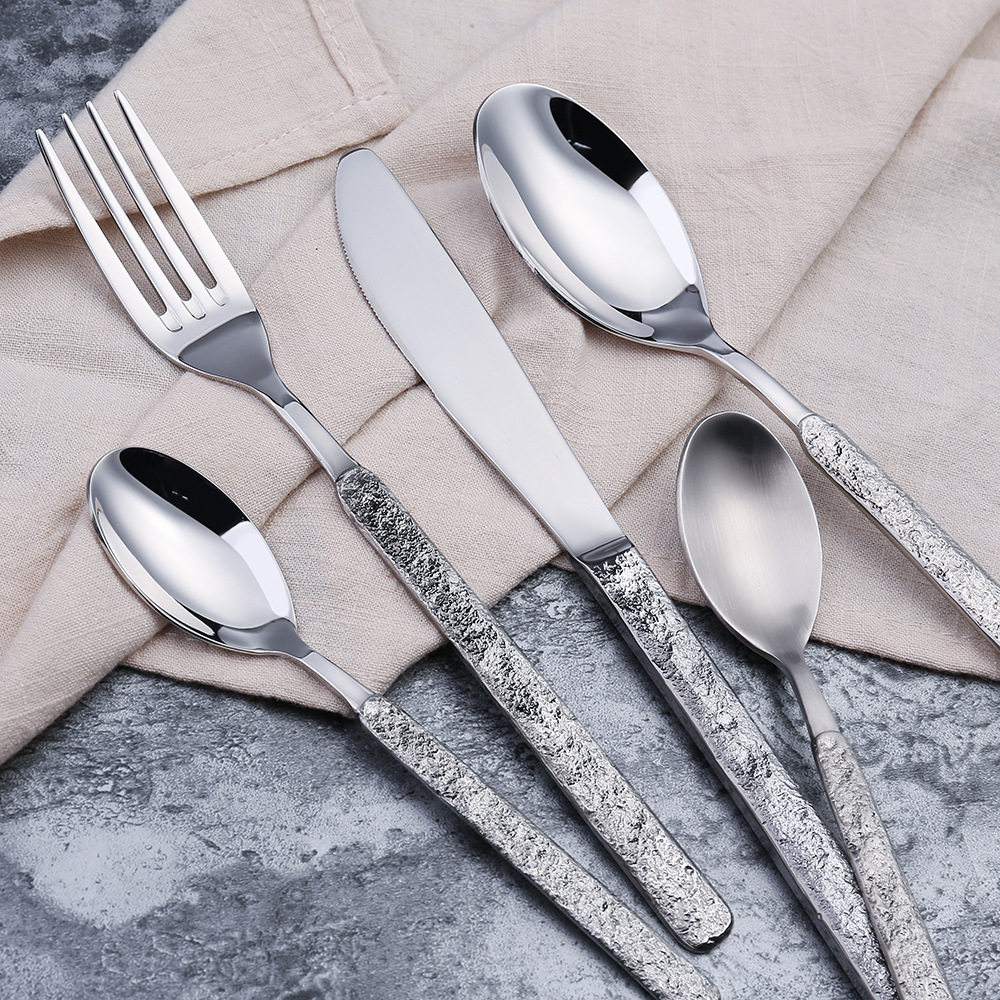
How Plastic Cutlery is Made?
Plastic cutlery is a common item in households, restaurants, and events across the globe.
While disposable, it is incredibly convenient and useful for a variety of situations. Have you ever wondered how plastic cutlery is made?
In this article, we will explore the process of manufacturing plastic cutlery, from the raw materials to the final product.
Additionally, we will highlight alternatives, such as stainless steel spoons and walmart black silverware, for those who prefer reusable or eco-friendly options.
1. The Materials Used in Plastic Cutlery
The first step in making plastic cutlery is selecting the right materials. Most plastic cutlery is made from types of polystyrene,
polypropylene, or polyethylene. These materials are chosen for their durability, affordability, and ability to be molded into a variety of shapes.
Plastic spoons, forks, and knives are usually created using injection molding,
a process that involves melting the plastic and injecting it into a mold to form the desired shape.
While plastic cutlery is convenient for single-use situations, many consumers are opting
for more sustainable options like stainless steel spoons or walmart black silverware, which are reusable and more eco-friendly.
2. The Manufacturing Process of Plastic Cutlery
Here’s an overview of how plastic cutlery is typically made:
Step 1: Material Selection: Manufacturers choose the type of plastic based on the desired properties, such as strength, flexibility, and cost.
Step 2: Injection Molding: The selected plastic is melted and injected into molds that shape it into spoons, forks, knives, or other utensils.
Step 3: Cooling: Once the plastic is in the mold, it’s cooled rapidly to harden the material.
Step 4: Finishing: After the cutlery is removed from the mold, the edges are smoothed, and any additional finishing touches
(like printing logos or brand names) are added.
Step 5: Packaging: Finally, the plastic cutlery is packaged and ready for distribution.
3. Environmental Impact and Alternatives
While plastic cutlery is convenient, it is not the most environmentally friendly option. The production of plastic is energy-intensive,
and plastic utensils are often used once and discarded. As a result, there is growing concern about the environmental impact of disposable plastic.
As a more eco-friendly alternative, stainless steel spoons, walmart black silverware, and luxury flatware sets offer long-lasting solutions.
These items can be reused for years, reducing the need for disposable cutlery.
Additionally, stainless steel is highly recyclable, making it a more sustainable choice for consumers.
4. Conclusion
Plastic cutlery is made through an injection molding process using materials such as polystyrene, polypropylene, and polyethylene.
While it’s an affordable and convenient option, its environmental impact is leading many to seek alternatives like stainless steel spoons
and walmart black silverware. By investing in high-quality, reusable cutlery, you can reduce waste and contribute to a more sustainable future.
How to Polish Silver Cutlery?
How Old to Buy Cutlery?
Related Article



