
a cutlery sentence flatware
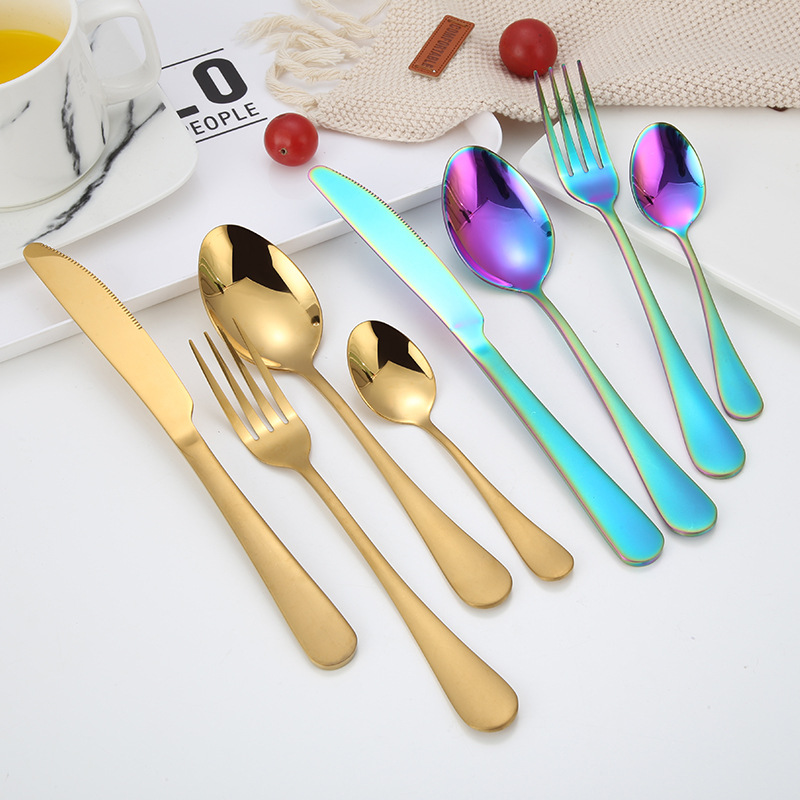
a cutlery sentence
A cutlery sentence may appear simple at first glance, but it actually represents an important part of communication in dining culture, hospitality, retail marketing, and kitchenware branding. People use cutlery-related sentences when discussing table etiquette, product descriptions, restaurant experiences, family dining habits, and kitchen organization. In the modern kitchenware industry, language surrounding cutlery products has become increasingly important because consumers search online for product information, usage tips, maintenance guidance, and dining inspiration before making purchases.
A basic cutlery sentence might describe how utensils are used during meals, how they should be arranged on a dining table, or how premium flatware improves dining presentation. However, in commercial and marketing contexts, cutlery sentences often become more detailed and persuasive. Product descriptions now focus heavily on material quality, ergonomic comfort, polishing techniques, and long-term durability to attract modern consumers.
Many customers searching for replacement utensils or specialty dining products explore terms such as besteck messer einzeln because they may need individual knives rather than complete flatware sets. Modern consumers increasingly prefer flexible purchasing options that allow them to replace or expand collections according to personal needs. Manufacturers that offer comprehensive product lines and customization services gain stronger competitiveness in today’s market.
Decorative and themed dining products are also highly popular among families and collectors. Search phrases such as besteck schräg pooh reflect the growing interest in playful designs and character-themed dining accessories. Children’s tableware, cartoon-inspired utensils, and creative handle patterns help create enjoyable dining experiences while encouraging independent eating habits among young users.
Professional hospitality products represent another major category in the cutlery market. Terms like besteck hepp medan für privat show how consumers are increasingly interested in restaurant-grade flatware for personal home use. Commercial-style utensils are appreciated for their durability, elegant appearance, and balanced ergonomic design. As home dining experiences become more sophisticated, many consumers seek the same quality standards used in hotels and fine dining restaurants.
The global cutlery industry has expanded significantly over recent decades. Dining utensils are no longer viewed solely as practical tools. Today, flatware contributes to interior decoration, dining atmosphere, social gatherings, and lifestyle branding. Elegant table settings featuring coordinated knives, forks, spoons, serving utensils, and decorative accessories have become increasingly important in both household and hospitality environments.
This growth in consumer expectations requires professional manufacturing expertise. Factories producing premium cutlery must combine advanced machinery with strict quality management systems to ensure consistent performance and attractive presentation. Reliable production processes influence every aspect of the final product, including surface smoothness, weight balance, corrosion resistance, and overall durability.
With more than 30 years of stainless steel manufacturing experience, Homefelt has become a trusted supplier for a wide range of kitchenware products. The company specializes in stainless steel flatware, barbecue tools, children’s tableware, pet bowls, and customized dining accessories for international markets. Through advanced production capabilities and careful inspection systems, Homefelt provides reliable product solutions designed to meet diverse customer requirements.
Modern cutlery manufacturing begins with high-quality stainless steel material selection. Premium steel grades help improve corrosion resistance, structural strength, and polishing performance. After raw material preparation, stamping machines shape the products into forks, spoons, knives, and serving utensils. Precise production control is essential because even minor dimensional inconsistencies can affect product quality and user comfort.
Polishing technology represents one of the most important stages in cutlery production. Smooth surfaces improve visual appearance while also enhancing hygiene and user comfort. Manufacturers use multiple polishing processes to create mirror finishes, satin textures, matte effects, or decorative coatings depending on customer preferences and market trends.
Ergonomic design has become increasingly important in modern dining products. Consumers expect utensils to feel balanced and comfortable during use. Handle thickness, weight distribution, edge smoothness, and grip design all influence customer satisfaction. Experienced factories invest heavily in mold development and product testing to optimize usability.
Customization is another rapidly growing segment within the kitchenware industry. Restaurants, hotels, retailers, and promotional brands often request laser engraving, custom packaging, or exclusive product shapes. OEM and ODM production services allow businesses to create unique collections that strengthen brand recognition and customer loyalty.
Environmental sustainability also influences consumer purchasing decisions. Reusable stainless steel cutlery is increasingly preferred over disposable plastic alternatives because it reduces waste while offering better long-term value. Manufacturers investing in recyclable materials and sustainable production methods gain stronger appeal among environmentally conscious buyers.
The popularity of online shopping has transformed how consumers discover and purchase dining products. Buyers now compare product specifications, reviews, and manufacturing details before ordering. Detailed descriptions, professional photography, and reliable product quality help suppliers build trust in competitive e-commerce environments.
Commercial hospitality businesses require especially durable dining products because utensils are exposed to constant washing and heavy daily use. Restaurants, hotels, cruise ships, and catering companies prioritize suppliers capable of maintaining consistent production standards across large-volume orders. Strong quality control systems help manufacturers meet these demanding commercial requirements.
Children’s cutlery continues to represent a growing product category as well. Parents seek safe, lightweight, and easy-to-use utensils designed specifically for young users. Rounded edges, colorful designs, and ergonomic shapes improve safety while encouraging positive eating habits. Factories manufacturing children’s products must follow especially strict quality and safety standards.
Outdoor dining culture has also expanded global demand for portable and multifunctional utensils. Travel cutlery kits, camping accessories, reusable takeaway utensils, and compact dining sets are increasingly popular among consumers seeking convenience and sustainability. Manufacturers with diversified production capabilities are better able to respond to these evolving market trends.
Luxury dining aesthetics continue shaping modern product design. Matte black finishes, polished gold coatings, Scandinavian minimalism, and vintage-inspired collections all appeal to different customer groups. Successful manufacturers continuously monitor international design trends to develop products matching changing consumer preferences.
Packaging quality has become another important factor in product marketing. Elegant gift boxes, eco-friendly materials, and customized branding improve product presentation and perceived value. Attractive packaging is especially important for wedding gifts, promotional collections, and retail display environments.
Global demand for stainless steel dining products continues growing because consumers value products that combine beauty, practicality, and durability. Manufacturers capable of maintaining high production standards while adapting to market trends remain highly competitive in international kitchenware industries.


what do you use to clean silver cutlery
what does furnished house include cutlery
Related Article



