
are there multiple proper ways to layout cutlery
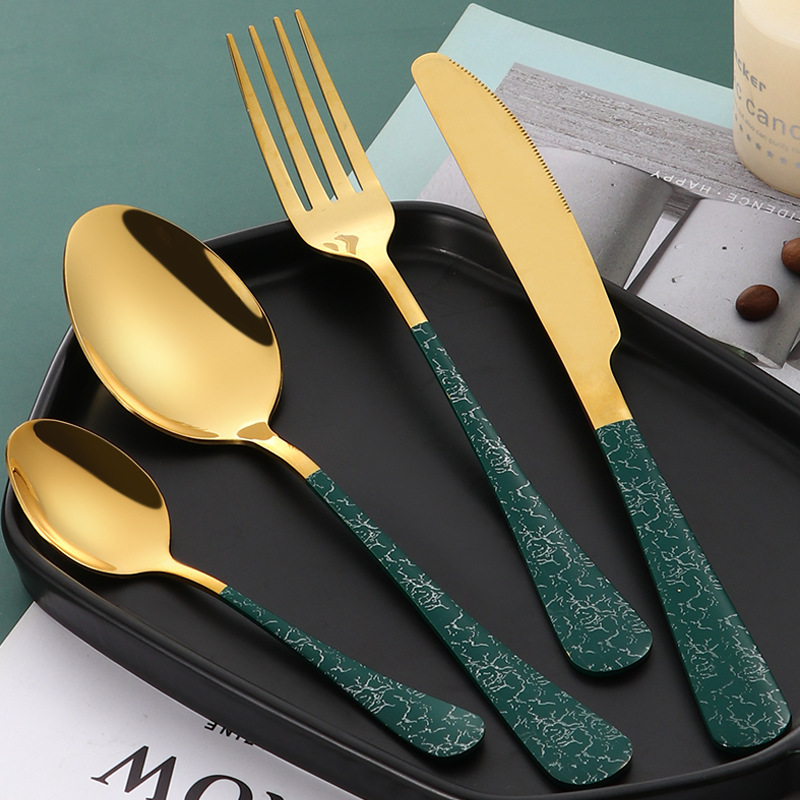
are there multiple proper ways to layout cutlery
Cutlery arrangement has always been an important part of dining etiquette, hospitality presentation, and table organization. Many people wonder whether there is only one correct way to place forks, knives, and spoons on a dining table. In reality, there are multiple proper ways to layout cutlery depending on culture, dining style, meal type, and the level of formality involved. Restaurants, hotels, families, event planners, and catering businesses all use different table setting methods while still following practical etiquette principles.
The most basic rule in cutlery arrangement is functionality. Utensils should be positioned according to the order in which they will be used during the meal. However, beyond this core principle, there are numerous acceptable variations influenced by regional customs, restaurant themes, and modern dining trends. This flexibility explains why table setting styles vary between casual family dinners, luxury fine dining events, outdoor gatherings, and buffet service arrangements.
Professional manufacturers like Homefelt understand that tableware design and cutlery presentation are closely connected. With more than thirty years of manufacturing experience in stainless steel kitchenware, barbecue tools, children’s dining products, and serving accessories, Homefelt recognizes the importance of combining practical usability with attractive dining aesthetics. Different table settings require different cutlery styles, finishes, and accessory combinations.
Formal Western dining arrangements traditionally place forks on the left side of the plate and knives on the right side with the blade facing inward. Spoons are usually positioned beside the knife if soup or dessert is included in the menu. Yet even within Western etiquette, variations exist depending on the number of courses, the type of cuisine, and regional customs. In some modern restaurants, minimalist presentation has become more popular than traditional multi-piece arrangements.
Consumers interested in besteck industrie design often appreciate modern table layouts that emphasize clean lines and balanced visual composition. Industrial-inspired table settings frequently use matte finishes, geometric shapes, and minimalist spacing. These modern layouts differ significantly from classic European formal dining styles, yet both approaches are considered acceptable when they suit the dining environment.
Buffet dining is another example where cutlery placement varies greatly. Some buffet restaurants place utensils at the beginning of the service line, while others provide them beside each plate or directly at the dining table. Outdoor catering events may wrap utensils inside napkins for convenience and hygiene. Casual cafes sometimes use self-service cutlery stations instead of pre-arranged table settings.
The flexibility of cutlery layout also depends on cultural dining habits. In American dining etiquette, forks are commonly switched between hands while eating. In continental European dining, the fork usually remains in the left hand throughout the meal. Asian dining settings may combine chopsticks with Western utensils depending on the cuisine being served. These differences influence how tables are arranged and how diners interact with their utensils.
Many buyers searching for justins miró besteck are attracted to artistic and designer-inspired cutlery collections. Unique handle shapes, creative finishes, and contemporary silhouettes encourage more personalized table arrangements. Modern dining culture increasingly values individuality and visual storytelling, allowing restaurants and homeowners to experiment with creative layouts while maintaining practical dining etiquette.
At the same time, classic elegance remains highly valued in luxury hospitality settings. Fine dining establishments carefully position each utensil according to course sequence and service standards. Bread knives, dessert forks, fish knives, soup spoons, and serving utensils are placed with precise spacing to create a sophisticated visual impression. This attention to detail reflects professionalism and enhances the overall guest experience.
The growing popularity of social media has also influenced cutlery arrangement trends. Restaurants and event planners now design table settings that look attractive in photographs. Coordinated colors, decorative napkin folds, textured tablecloths, and modern cutlery finishes contribute to visually engaging dining presentations. Consumers increasingly associate well-designed tables with quality service and premium dining experiences.
Keywords such as amazon bistro besteck highlight the commercial demand for versatile restaurant-style cutlery collections suitable for both casual and semi-formal dining. Bistro-inspired settings often prioritize simplicity, durability, and practicality. Instead of complicated arrangements, these layouts focus on comfortable dining and efficient table turnover while still maintaining visual appeal.
Material selection also affects cutlery arrangement styles. Gold-toned utensils create luxurious table presentations, while brushed stainless steel offers modern sophistication. Black-coated cutlery has become popular in trendy cafes and contemporary restaurants because it creates dramatic visual contrast against white plates. Copper and matte finishes are also increasingly common in modern hospitality design.
Experienced manufacturers understand that table layout preferences vary across global markets. European buyers may prefer heavier stainless steel pieces with elegant contours, while North American customers often prioritize dishwasher safety and ergonomic handling. Asian markets may emphasize compact storage and multifunctional dining accessories. Factories serving international clients must therefore adapt designs to different regional expectations.
At Homefelt, product development focuses on balancing appearance, comfort, and durability. The company’s extensive production experience allows it to create dining solutions suitable for homes, restaurants, hotels, and catering businesses. By understanding international dining traditions and modern consumer preferences, Homefelt helps clients develop coordinated tableware collections that fit a wide range of dining environments.
One important factor in cutlery arrangement is spacing. Crowded layouts can make tables appear uncomfortable, while overly wide spacing may look unbalanced. Professional table setting aims to create harmony between plates, glasses, napkins, and utensils. Designers often consider symmetry, proportion, and guest accessibility when arranging dining elements.
Themed events also encourage alternative cutlery layouts. Rustic weddings may use wooden serving boards and wrapped utensils tied with fabric ribbons. Luxury banquets often feature layered charger plates and polished silverware. Outdoor picnics may rely on portable cutlery kits and simplified arrangements. Each setting follows its own practical logic while still maintaining acceptable etiquette standards.
Modern consumers increasingly mix traditional and contemporary elements when decorating dining tables. Vintage-inspired utensils can be combined with minimalist plates, while industrial-style cutlery may appear beside rustic wooden serving trays. This blending of styles reflects evolving dining culture and personal creativity.
Restaurants that specialize in tasting menus or multi-course dining often use sequential cutlery replacement instead of placing all utensils on the table at once. This method creates a cleaner presentation and allows staff to tailor each course setting individually. Such flexibility demonstrates that there is no single universal cutlery arrangement suitable for every dining occasion.
Consumers today are also more aware of sustainability. Reusable stainless steel cutlery has become increasingly popular compared with disposable alternatives. Buyers value products that combine durability, timeless design, and easy maintenance. Manufacturers capable of delivering these qualities continue to gain strong market recognition.
The rise of open kitchens and chef-focused dining experiences has further influenced table presentation. Diners now pay closer attention to visual details, including utensil alignment and material quality. Well-designed cutlery enhances the perception of professionalism and supports the restaurant’s brand identity.
For families, practicality remains the most important factor. Everyday table settings are usually simpler than formal arrangements, focusing on convenience and ease of use. However, even casual dining benefits from organized placement because it creates a cleaner and more enjoyable dining environment.
The question of whether there are multiple proper ways to layout cutlery can therefore be answered clearly. Yes, there are many acceptable methods, and each one reflects the dining context, cultural tradition, and personal style of the host or establishment. The best arrangement is one that combines comfort, functionality, and visual balance.
As dining culture continues to evolve, manufacturers and hospitality professionals must remain flexible and creative. Products connected with besteck industrie design, artistic collections like justins miró besteck, and versatile restaurant solutions associated with amazon bistro besteck all demonstrate how diverse modern table presentation has become. Through decades of manufacturing expertise and attention to product quality, Homefelt continues to support global customers seeking reliable and stylish dining solutions for every type of table setting.


how to start edible cutlery business
what cutlery to use for prawn cocktail
Related Article



