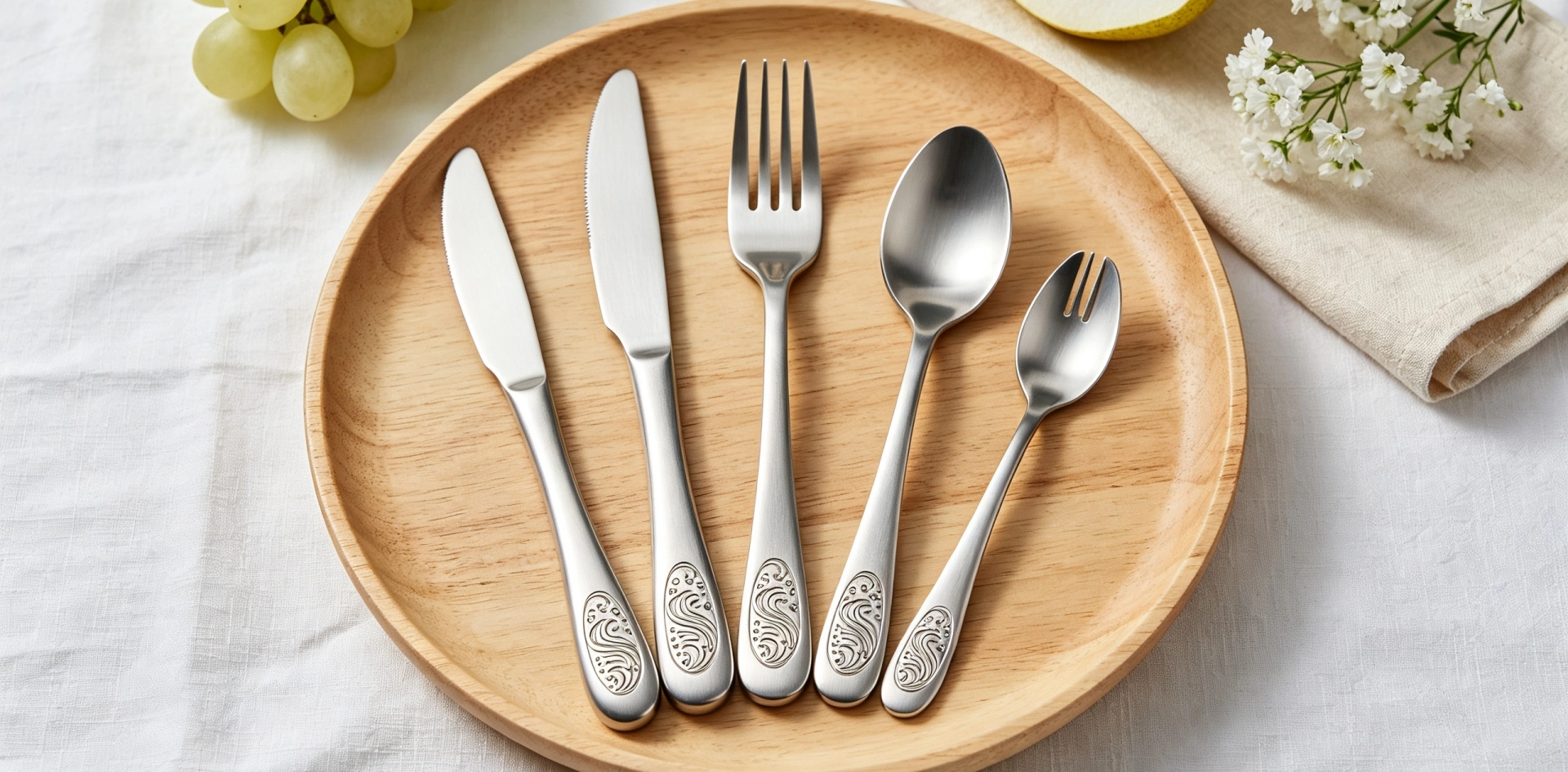
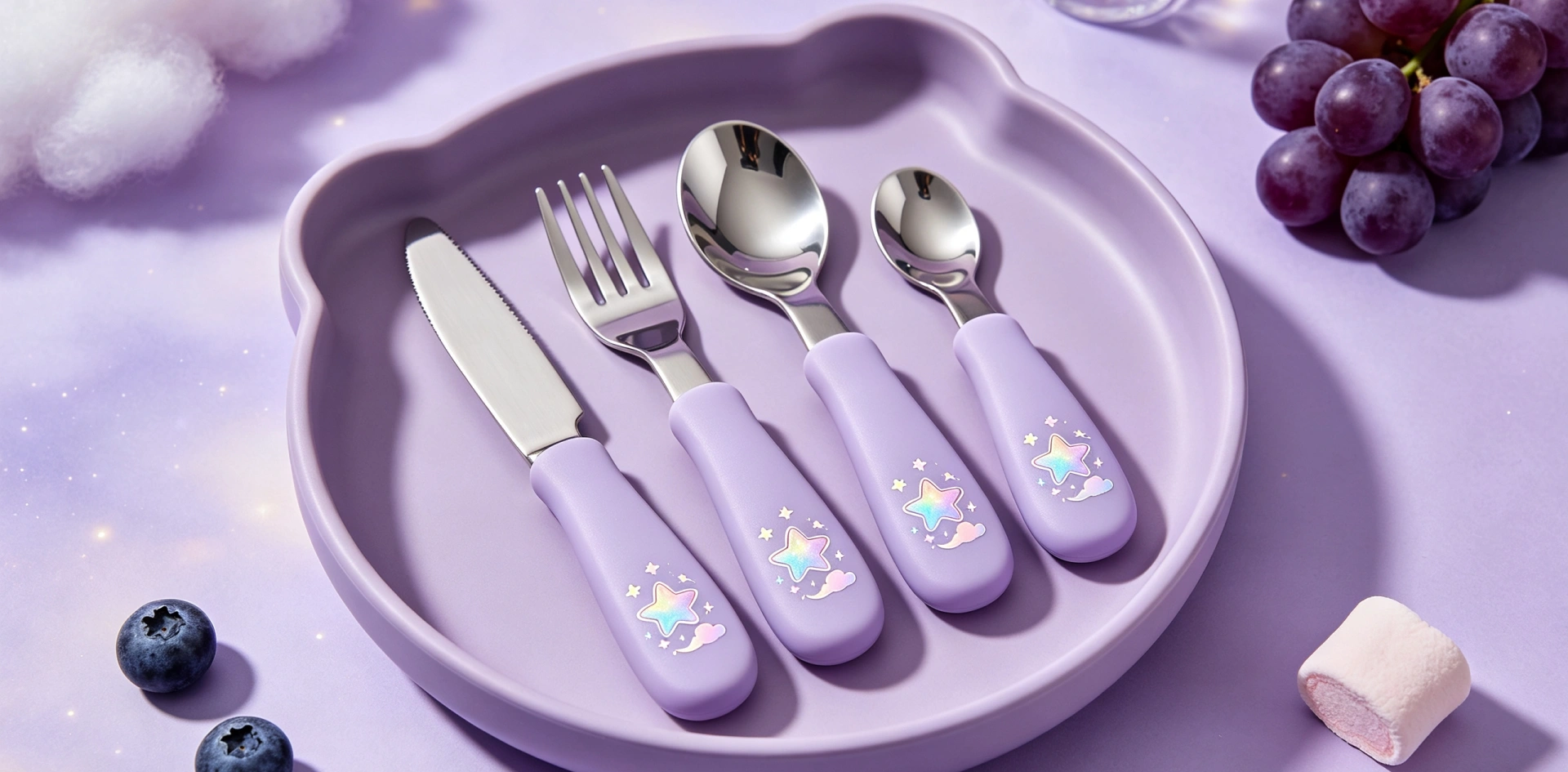
Commercial Stainless Steel Cutlery for Foodservice
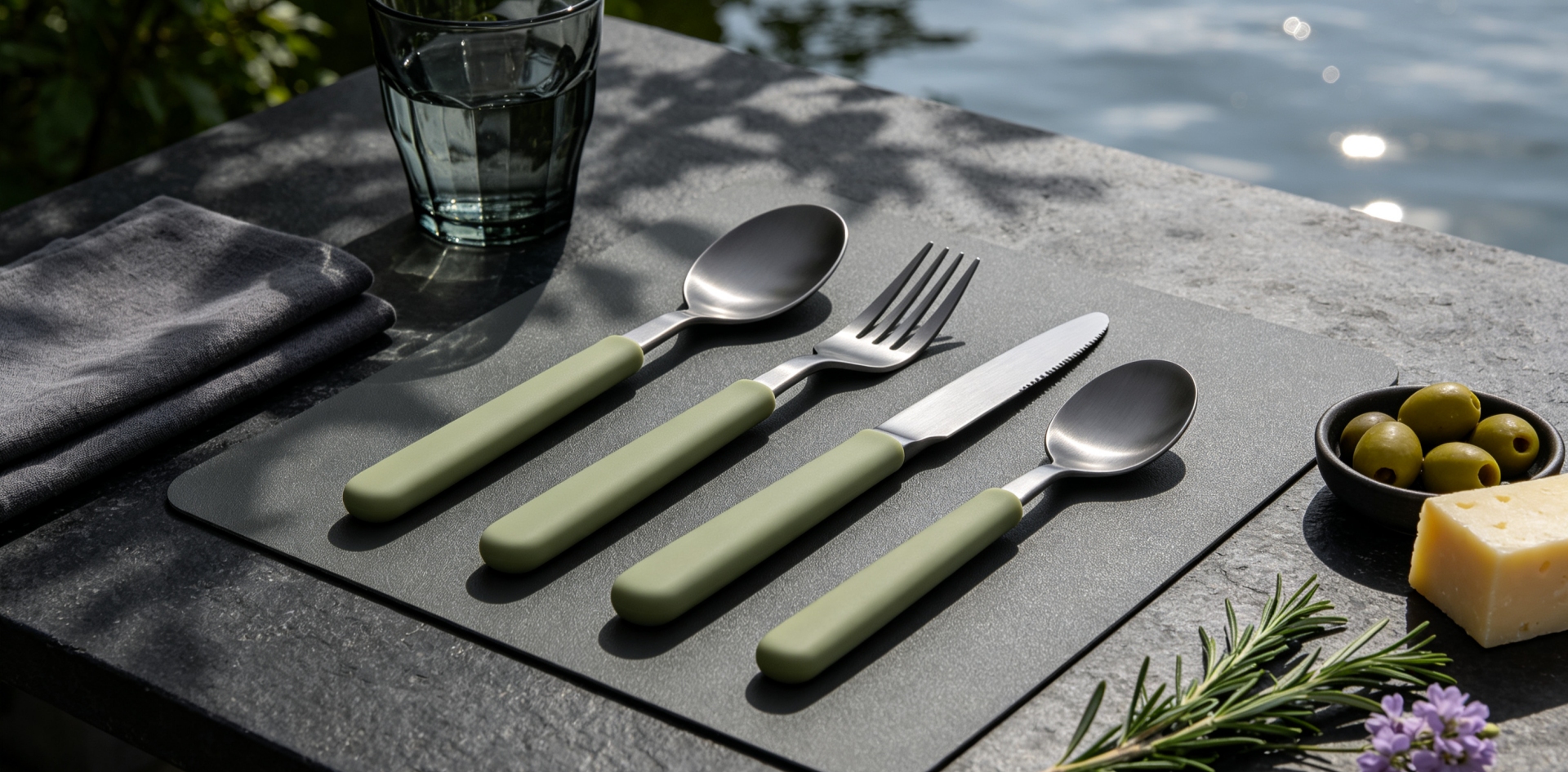
Commercial Stainless Steel Cutlery for Foodservice
Commercial kitchens and foodservice businesses need cutlery that can fit naturally into busy daily operations. From restaurants and catering companies to cafeterias, banquet services and institutional dining, stainless steel cutlery is used frequently and handled in large quantities.
For purchasing teams, choosing commercial cutlery is not only about finding an attractive design. Product weight, material, dimensions, surface finish, quantity and supply consistency can all affect the final purchasing decision.
A suitable collection should provide a good balance between practical use and presentation while remaining convenient for bulk purchasing and future replenishment.
What Makes Commercial Cutlery Different
Commercial cutlery is used in environments where products may be handled many times throughout the day.
A typical foodservice operation may involve repeated cycles of:
- Table setting
- Customer use
- Collection
- Cleaning
- Sorting
- Storage
- Redistribution
This means purchasing teams need to think about the complete operating process rather than looking at the product only from a customer's perspective.
Consistent specifications can also make daily management easier, especially when large quantities of cutlery are used at the same time.
Choosing the Right Stainless Steel
The stainless steel specification should be confirmed before placing a bulk order.
Common materials used for stainless steel cutlery include 18/10, 18/8 and 18/0 stainless steel.
Different products and markets may have different material requirements. Buyers should therefore define the required stainless steel grade according to the intended application and product positioning.
For repeat purchasing, keeping the same material specification can help maintain consistency between different orders.
Product Weight and Comfort
The weight of commercial cutlery affects how it feels in the hand and how much material is used during production.
Lightweight cutlery may be suitable for high-volume foodservice applications where handling efficiency is important.
A heavier design may create a more substantial feel and can be suitable for restaurants or dining environments where presentation is a stronger consideration.
The right choice depends on the specific application rather than simply selecting the heaviest available product.
Practical Handle Design
The handle is one of the most noticeable parts of cutlery.
A commercial design should be comfortable to hold while also fitting the overall appearance of the table setting.
Popular styles include:
- Straight handles
- Rounded handles
- Slim profiles
- Wider handles
- Minimalist designs
- Decorative handles
For large-scale foodservice applications, simple and practical designs can make it easier to maintain a consistent product collection.
Selecting the Right Surface Finish
The surface finish influences the overall appearance of stainless steel flatware.
Mirror finishes provide a bright and polished appearance.
Satin finishes offer a softer visual effect.
Matte finishes can give the product a modern appearance.
Brushed finishes provide a subtle directional texture.
The appropriate option depends on the restaurant concept, tableware and overall presentation.
For commercial projects, buyers should confirm the required finish with a physical sample before production.
Building a Practical Product Range
A foodservice business does not always need a large number of different products.
A practical core collection can include:
- Table fork
- Table knife
- Table spoon
- Teaspoon
Additional products can be added according to the menu and service requirements.
This approach can simplify purchasing and make stock management easier.
Cutlery for Different Foodservice Applications
Commercial stainless steel cutlery can be used across a wide range of businesses.
Restaurants may require coordinated tableware for daily dining.
Cafeterias may prioritize simple and practical products for high-volume service.
Catering companies may need large quantities that can be transported between different venues.
Banquet operators may place greater importance on visual consistency during formal events.
The same basic product category can therefore serve different markets, but the specifications may need to change according to the application.
Bulk Purchasing Considerations
When purchasing commercial cutlery in bulk, buyers should compare complete specifications rather than unit price alone.
Important factors include:
- Stainless steel grade
- Product dimensions
- Product weight
- Handle design
- Surface finish
- Quantity
- Packaging
- Production schedule
- Replacement availability
A complete comparison can help buyers understand why different products may have different prices.
Planning Inventory
Inventory planning is particularly important for foodservice operations.
The required quantity depends on:
- Number of seats
- Customer turnover
- Number of daily services
- Cleaning cycles
- Storage capacity
- Replacement requirements
Businesses should also consider peak periods.
Having enough products available during busy service periods can help avoid the need to use mismatched or alternative cutlery.
Replacement and Repeat Orders
Commercial cutlery may need to be replaced over time.
Products can be lost, damaged or removed from service for various reasons.
For this reason, buyers should keep the original specifications available for future purchasing.
When the same manufacturer can reproduce an established design, it becomes easier to maintain a consistent appearance across replacement orders.
This can be particularly useful for restaurant groups and foodservice distributors.
Packaging for Commercial Cutlery
Foodservice buyers normally need packaging designed for bulk handling rather than consumer retail presentation.
Suitable packaging can make products easier to:
- Transport
- Count
- Store
- Sort
- Distribute
Protective packaging should also be considered when products are shipped internationally.
The final packaging solution should balance product protection with efficient use of storage and shipping space.
When Customization Makes Sense
Standard commercial cutlery can meet the needs of many foodservice businesses.
However, customization can be useful for brands that want a more distinctive product.
Possible customization options include:
- Handle design
- Dimensions
- Surface finish
- Logo
- Product combination
- Packaging
A customized collection can help a restaurant group or foodservice brand create a consistent visual identity across different locations.
Sample Evaluation Before Bulk Production
For larger orders, reviewing a sample is an important step.
Buyers should examine:
- Material
- Weight
- Dimensions
- Handle comfort
- Surface finish
- Product balance
- Overall appearance
If multiple pieces are being ordered, the complete collection should be reviewed together.
A fork, spoon and knife may each look good individually but still appear mismatched when placed together.
Working With an Experienced Manufacturer
For commercial projects, manufacturing experience can be valuable because buyers often need more than one product specification.
A manufacturer may need to coordinate materials, product designs, finishing requirements and packaging within the same project.
Clear communication at the beginning can reduce unnecessary changes during production.
With more than 30 years of stainless steel manufacturing experience, Homefelt produces stainless steel cutlery together with a wide range of kitchen and dining products.
The factory works with international B2B customers on different product requirements, including standard products and customized projects.
For wholesalers, foodservice suppliers and commercial buyers, product specifications can be discussed before samples are developed and production is arranged.
Choosing Commercial Cutlery for Long-Term Supply
For businesses that purchase cutlery regularly, the initial order should not be considered separately from future replenishment.
A suitable long-term product should have clear specifications that can be reproduced consistently.
Buyers can establish a reference for:
- Material
- Product dimensions
- Weight
- Finish
- Design
- Packaging
Keeping these details consistent can make future purchasing more efficient.
Conclusion
Commercial stainless steel cutlery needs to balance practical use, appearance and reliable supply.
For restaurants, catering companies, cafeterias, banquet operators and foodservice distributors, the right product depends on the actual operating environment.
Material, weight, handle design, surface finish, inventory requirements and packaging should all be considered before a bulk order is placed.
For businesses looking for a long-term supply partner, clear product specifications and sample approval can provide a solid foundation for repeat purchasing.
Homefelt combines more than 30 years of stainless steel manufacturing experience with a broad range of kitchen and dining product capabilities, supporting international B2B customers with commercial and customized stainless steel product projects.
Related Topics for Your Content Matrix
How to Choose the Right Stainless Steel Cutlery Supplier
What Is the Best Stainless Steel Grade for Cutlery
Stainless Steel Cutlery Quality Control: What Buyers Should Check
How to Calculate Stainless Steel Cutlery Requirements for Bulk Orders
Stainless Steel Cutlery Packaging for Wholesale Orders
Stainless Steel Cutlery for Cafeterias and Institutional Dining


Stainless Steel Cutlery Factory and Manufacturer for B2B Buyers
Stainless Steel Cutlery MOQ: What B2B Buyers Need to Know
Related Article