
Custom Handle Stainless Steel Cutlery for B2B Brands
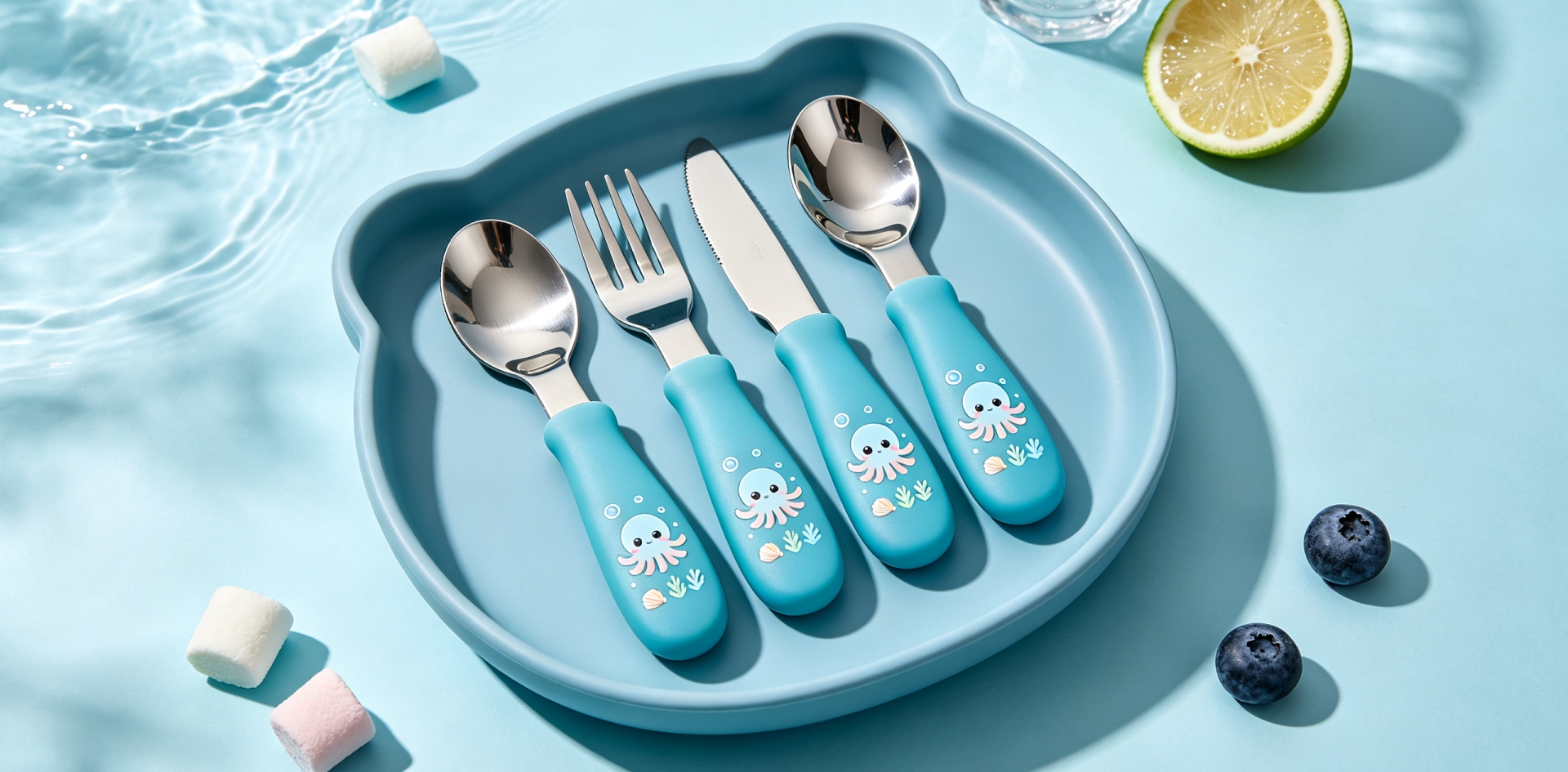
Custom Handle Stainless Steel Cutlery for B2B Brands
Stainless steel cutlery does not have to look like a standard all-metal product. For brands, retailers and distributors developing a distinctive collection, the handle can become an important part of the product design.
Combining a stainless steel knife, fork or spoon with a customized handle can create a different appearance, improve product differentiation and give a private label collection its own identity. Depending on the project, buyers may consider different handle materials, shapes, textures and colors while keeping the functional parts of the cutlery in stainless steel.
For B2B projects, however, a custom handle is not simply a design decision. The handle material needs to work with the stainless steel component, production method, target market and expected order volume.
This is why early communication with an experienced stainless steel cutlery manufacturer can be valuable.
Why Custom Handles Matter in B2B Cutlery
The handle is often the first part of a knife, fork or spoon that customers notice. A distinctive handle can make a familiar cutlery form look different and help a product stand apart from standard wholesale collections.
For a brand developing its own range, handle customization can also support visual consistency across several products.
A knife, fork and spoon can share a similar handle concept while maintaining their individual functional shapes. This allows a brand to build a recognizable collection rather than simply selling unrelated stainless steel pieces.
For wholesalers and distributors, customized handles can also create opportunities for different market segments without changing the entire product category.
Possible Handle Material Directions
Different B2B projects may require different handle approaches.
Some products use stainless steel throughout the handle and focus on shape, polishing or surface treatment. Other projects may combine stainless steel components with materials such as wood, PVC or other suitable handle materials.
Each option creates a different product character.
A wooden handle can provide a warmer and more natural appearance. A PVC handle can offer greater flexibility in color and design. A stainless steel handle can maintain a clean and contemporary appearance.
The right solution depends on the intended product, target market and manufacturing requirements.
For OEM and ODM projects, the buyer can discuss these requirements with the factory before deciding on the final construction.
Keeping the Handle and Cutlery Body Consistent
A custom handle should not be considered independently from the stainless steel component.
The knife blade, fork head or spoon bowl needs to connect naturally with the handle. Proportions, transitions and overall balance can affect both appearance and usability.
For example, a large handle combined with a very light cutlery body may create an unbalanced product. A narrow handle paired with a larger spoon or fork head may produce a different visual proportion.
During product development, these details should therefore be considered as one complete design.
An experienced stainless steel cutlery manufacturer can review the relationship between the metal components and the proposed handle concept before mass production.
Custom Handles for Private Label Collections
Private label brands often need products that look different from standard catalog items.
A customized handle can be one way to create that distinction.
The brand may already have a design concept, drawing, reference sample or product image. The manufacturer can then evaluate how the concept can be converted into a production-ready stainless steel cutlery product.
The project may involve:
-
Customized handle shape
-
Different handle materials
-
Specific handle colors
-
Surface texture
-
Brand-oriented design details
-
Matching knife, fork and spoon handles
-
Customized packaging for the finished collection
Not every concept needs to be completely redesigned. Sometimes relatively small changes to the handle can create a noticeably different product identity.
Considering Production Requirements Early
A design that looks attractive in a drawing still needs to be practical for manufacturing.
Handle construction can influence assembly, tooling, production steps and quality inspection. When multiple materials are involved, the connection between the handle and stainless steel component also becomes an important part of the manufacturing process.
For this reason, B2B buyers should discuss the construction method with the factory before finalizing the design.
This is particularly important for large-volume orders. A handle concept that works well for a sample needs to remain consistent when thousands of pieces are produced.
The manufacturer should understand the intended material, dimensions, finish and assembly requirements before production begins.
Designing Matching Knives, Forks and Spoons
A custom handle program is usually more effective when the entire collection is considered together.
The knife, fork and spoon do not need to be identical in every dimension, but their handles should share a recognizable design language.
Matching details may include:
-
Handle silhouette
-
Surface texture
-
Color
-
End shape
-
Visual proportions
-
Material combination
-
Transition between handle and stainless steel
This approach helps create a coordinated product family.
For brands selling several cutlery products under one name, consistency can be particularly valuable because customers can recognize the relationship between individual products.
Custom Handle Development for Different Sales Channels
The appropriate handle design can also depend on where the product will be sold.
A retail brand may want a distinctive appearance that supports shelf presentation. A hospitality supplier may prioritize durability and practical cleaning requirements. A promotional product company may require a strong visual identity or specific color.
The same stainless steel cutlery category can therefore support very different product concepts.
For a manufacturer, understanding the intended sales channel helps put the design into a realistic production context.
This is one reason B2B product development should begin with both design requirements and commercial requirements.
From Reference Sample to Production
Many custom cutlery projects begin with an existing product.
A buyer may have a sample from another supplier, a product purchased from the market, a prototype or a design reference. The goal may be to develop a similar functional structure with a different handle, finish, size or branding direction.
In this situation, providing a clear reference can help the factory understand the desired result.
The buyer can also identify which parts should remain unchanged and which elements need customization.
This distinction is useful because it prevents unnecessary changes to the product while allowing the manufacturer to focus on the specific features that matter to the project.
Supporting Larger B2B Programs
Custom handles can be particularly suitable for brands planning a broader product range.
Once a basic handle concept has been developed, related knives, forks and spoons can potentially be designed around the same visual direction. This creates opportunities to build a coordinated collection while maintaining a consistent brand appearance.
For distributors, similar development can be used to create exclusive products for specific customers or sales channels.
For private label buyers, the custom handle can become part of a long-term product identity rather than a one-time design feature.
Working With an Experienced Cutlery Factory
Custom handle development requires more than simply selecting a stainless steel grade and choosing a shape.
The stainless steel components, handle construction, dimensions, appearance and production method need to work together.
Homefelt factory manufactures stainless steel knives, forks, spoons and cutlery sets for B2B customers, supporting OEM, ODM, private label and wholesale projects. Buyers can discuss custom handle concepts, reference samples and production requirements directly with the factory.
Whether the project requires a simple modification or a completely new cutlery collection, early communication can help determine a practical route from design concept to bulk production.
If you are developing a branded stainless steel cutlery range, preparing the handle requirements before requesting a quotation can make the discussion more productive. Providing reference images, dimensions, expected quantities and target markets gives the manufacturer a clearer understanding of the project.
A well-developed custom handle can turn a standard stainless steel cutlery product into a more distinctive commercial collection.
Custom Stainless Steel Cutlery Manufacturing
OEM & ODM Stainless Steel Flatware
Stackable Stainless Steel Cutlery for B2B Supply
Stainless Steel Cutlery Bundle Planning for B2B Orders
Related Article



